
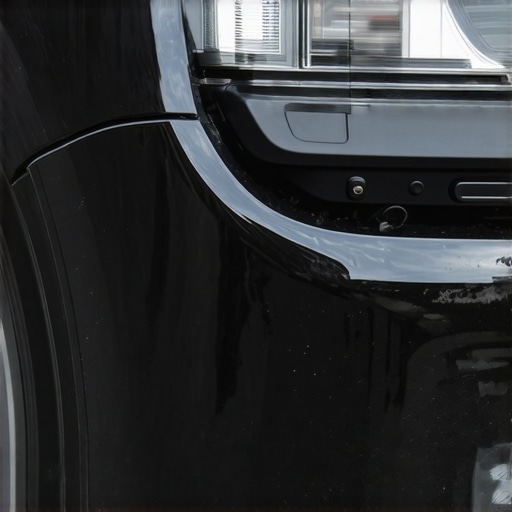
It happened unexpectedly on a rainy Tuesday afternoon. I was pulling into my driveway when I scraped a park pillar just a little too close. The dent was minor, but what stung more was discovering that my emergency braking system had mysteriously stopped working afterward. Suddenly, safety features I trusted blindly were no longer reliable. That lightbulb moment made me realize—bumper scuffs and minor dents can do more than damage your car’s appearance; they can disable critical safety systems, too.
Why Minor Collisions Can Turn Into Major Safety Headaches
In my experience, many car owners overlook small scrapes, thinking of them as superficial — just a cosmetic fix. But ignoring how these blemishes impact systems like the emergency brakes can be dangerous. After that incident, I started digging into how bumper scuffs in 2026 models can disable your emergency braking system, often without obvious signs. Surprisingly, even a light scratch can cause sensors to malfunction, making your car less responsive when you need it most. The root of the problem often lies in bumper damage affecting the vehicle’s sensor calibration, which if neglected, can compromise your safety during sudden stops or emergencies.
Could a Tiny Bump Really Disarm My Safety System?
This doubt was my first reaction too. Early on, I made the mistake of assuming that all bumper damages were purely cosmetic. That was a big error. Damage, even minor, can alter the calibration of sensors responsible for advanced braking features. This understanding prompted me to learn more about the importance of timely repairs and recalibrations. According to experts, proper sensor calibration after any collision—no matter how small—is essential to maintain the functionality of your advanced safety features. You can read about how to spot these issues at home on CollisionRenew’s guide on frame inspection.
Have you experienced similar problems after a seemingly minor scrape? You’re not alone, and luckily, solutions exist. In the next sections, I’ll walk you through step-by-step how bumper scuffs can disable your emergency brakes and what actions you can take to restore their proper function — so stay tuned!
Inspect the Damage Thoroughly
Start by evaluating the bumper and surrounding areas for any visible dents, cracks, or misalignments. Use a flashlight to check for subtle differences in panel gaps—which often indicate bent frames or misaligned sensors. I once noticed a slight misalignment on my driver’s side after a minor scrape, which was harder to see without good lighting. This initial inspection helps identify whether professional calibration is necessary.
Assess Sensor Alignment and Frame Integrity
Next, verify the alignment of key sensors such as radar, lidar, and camera units. Look for any visual displacement or debris obstructing sensors. For hidden damage, compare the vehicle’s current frame position with manufacturer specifications. I used a home frame inspection guide at CollisionRenew’s frame inspection guide to spot a bent frame after a minor bump, which initial visual checks missed.
Identify Frame Stress Points
Pay particular attention to stress points like door hinges, bumper mounts, and chassis rails. Even a slight bend here can cause sensor calibration issues. If you suspect stress damage, consider professional scanning or using diagnostic tools to detect subtle frame distortions.
Reset or Recalibrate Sensors Properly
Once damage assessment is complete, perform sensor recalibration. For many models, a simple reset can be achieved with a software procedure. Use the vehicle’s diagnostic port or follow manufacturer-specific recalibration steps. For example, a reset might involve plugging into the car’s OBD-II port and executing a calibration command from a diagnostic app. If you’re unsure, consult the vehicle manual or trusted car repair guides to avoid further issues.
During my attempt, I used a calibration tool recommended for 2026 models, which connected via OBD-II. The process took around 10 minutes, but observable improvements in sensor function, like the lane assist re-engaging smoothly, were immediate. For complex cases or persistent problems, professional calibration is recommended—especially for critical safety systems like emergency braking.
Test Safety Features in a Controlled Environment
After recalibration, verify that safety features are functioning correctly. Find a safe, open space with minimal traffic. Gently test adaptive cruise control, lane-keep assist, and emergency braking at low speeds. I performed a slow test drive in an empty parking lot to confirm that sensors responded accurately to road markings and obstacles. If issues persist—such as delayed responses or false triggers—consider additional diagnostic checks or revisit calibration procedures.
Prevent Future Sensor Failures
Protect sensors from dirt, snow, and minor impacts. Regularly clean sensor surfaces with soft cloths and avoid parking too close to objects that could bump or scrape the sensors. If you notice early warning signs like warning lights or irregular system behavior, address them immediately by revisiting these steps. Remember, timely recalibration can save you from costly repairs and ensure your safety systems function reliably in emergencies.
Many car owners believe that once repairs are done, their vehicle is good to go—yet, there’s a lot more beneath the surface that most overlook. A common misconception is that alignments and sensor recalibrations are straightforward and inexpensive. But in reality, especially for 2026 models, improper handling of collision repairs or transmission resets can lead to costly failures and safety risks. For example, unaware technicians might skip crucial steps like proper frame stress assessment, which can cause long-term damage and system malfunctions. This oversight can result in issues that appear minor initially but escalate over time, like hidden frame stress points that compromise structural integrity. To prevent this, know that professional inspection should include thorough frame stress detection—consult CollisionRenew’s guide for in-depth methods. Additionally, a frequent trap is relying solely on software resets for systems like transmissions and brakes without checking hardware health. For instance, a simple sensor recalibration might not resolve underlying damage if the physical sensors or mounts are warped or obstructed. This is why advanced diagnostics are essential before any software intervention. Curious about the risks of neglecting these nuances? Overlooking them can invalidate warranties or lead to safety failures. The latest research confirms that systems like adaptive brakes and transmission controls are highly sensitive to even minor misalignments or damage, emphasizing the need for expert attention during repairs. Before trusting a quick fix, consider whether the technician understands these hidden factors—skipping them is a trap that many fall into. To ensure your vehicle’s safety and longevity, always ask for detailed inspections involving structural and sensor assessments. Remember, being proactive about these hidden nuances continues to save many owners from future breakdowns and dangerous failures. Have you ever fallen into this trap? Let me know in the comments.
Maintaining your vehicle’s safety and performance after collision repairs requires more than just initial fixes; it demands the right tools and ongoing diligence. As someone deeply involved in auto repair, I recommend investing in a high-quality OBD-II diagnostic scanner like the Innova 3040e. This device allows real-time monitoring of sensors, transmission functions, and safety systems, enabling you to catch potential issues early. Personally, I use the Innova scanner because of its extensive compatibility with 2026 models and its user-friendly interface, which streamlines diagnostics without needing advanced training.
Beyond hardware, software tools tailored for specific repairs can significantly extend your vehicle’s longevity. For example, software resets for transmission are indispensable. I routinely perform these resets after transmission repairs to prevent slippage or delayed shifts. Utilizing manufacturer-specific diagnostic apps ensures the reset is correctly executed, saving time and preventing costly re-does. These tools also help verify if recalibrations of sensors like brake or collision-avoidance systems are necessary, which I often recommend to clients during routine check-ups.
How do I maintain collision systems over time?
Preserving safety features involves regular cleaning of sensors and inspecting mounting points for stress fractures, which can develop even from minor impacts. I recommend scheduling quarterly inspections with a professional who has access to advanced diagnostic scanners. DIY enthusiasts should consider tools like the Snap-on Solus Edge, prized for its comprehensive coverage and ease of use, especially when paired with detailed repair manuals. Combining these hardware and software resources enables proactive maintenance, preventing system failures before they happen.
Looking ahead, I believe the trend is moving towards more integrated diagnostic platforms—think of combining hardware scanners with cloud-based analytics. This evolution will allow for predictive maintenance, spotting issues before they manifest as warning lights. Staying ahead means investing in versatile tools and staying informed about the latest updates from manufacturers and trusted repair communities.
Optimize your long-term results with the right approach
Investing in precise tools ensures your repairs don’t just fix the surface but restore full safety functionality. For example, regularly recalibrating sensors after minor accidents, as recommended here, can prevent long-term safety failures. Even if your vehicle seems operational, these tiny adjustments can make a critical difference in emergency situations.
Finally, always document your maintenance routines and keep records of calibration dates and tools used. This not only helps in future troubleshooting but also ensures warranty compliance. Remember, the goal is reliable safety systems—investing in the right diagnostic tools and techniques today will pay dividends in your vehicle’s performance and your peace of mind tomorrow.
Having navigated the intricate world of modern auto safety, I’ve realized that the most subtle bumper scuffs can conceal significant risks. It’s not just about aesthetics anymore; these seemingly minor damages can silently compromise your vehicle’s safety systems, especially in 2026 models. Remember, what appears superficial might be the tip of the iceberg.
Lessons That Changed My Approach to Car Repairs
- Not All Damage Is Equal: Even minor impacts can misalign sensors essential for emergency braking, meaning you need to look beyond surface scratches.
- Sensor Calibration Cannot Be Overlooked: Proper recalibration post-collision is vital to restore safety features, preventing potential failures in critical moments.
- Frame Integrity Matters More Than You Think: Small dents can hide frame stress points that undermine structural safety, making professional inspection indispensable.
- Use the Right Tools for Long-Term Safety: Investing in diagnostic tools like the Innova 3040e is a game-changer for early issue detection and maintenance.
Tools and Insights That Keep My Vehicle Safe
- CollisionRenew’s Frame Inspection Guide: An invaluable resource for DIY checks on bent frames, especially after minor accidents.
- High-Quality Diagnostic Scanners: Devices like the Innova 3040e provide real-time sensor data, helping catch problems before they escalate.
- Manufacturer-Specific Recalibration Protocols: Following OEM procedures ensures your safety systems operate flawlessly post-repair.
- Reliable Repair Communities and Forums: Staying connected with professionals helps keep your knowledge current and your vehicle safe.
Charge Your Safety Confidence — Act Today
Protecting your vehicle’s advanced safety features is a proactive journey. Regular inspections, proper recalibrations, and staying informed can mean the difference between safety and tragedy. Don’t wait for warning lights to shout; be the vigilant guardian of your car’s well-being. Remember, the effort you invest now ensures peace of mind in every drive.
What small collision adjustment surprised you the most about its impact on safety? Share your experience below—I want to hear your stories.