
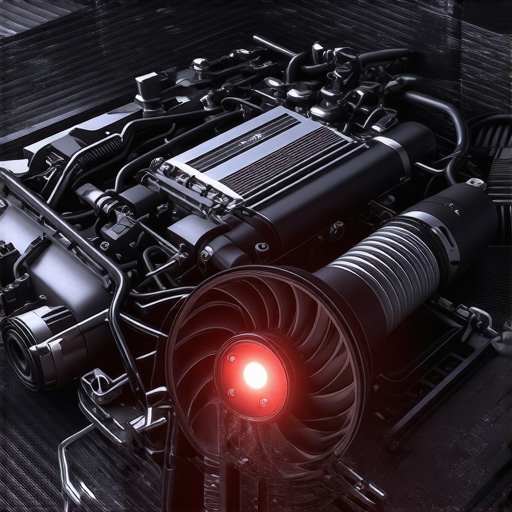
I remember the moment vividly. I was parked outside my house, about to head inside after a long drive, when I noticed the engine fan spinning relentlessly. It was late evening, quiet except for that persistent whirring. A rush of concern flooded over me—I knew something wasn’t right. That light bulb moment made me realize how little most of us understand about what’s happening under the hood beyond the obvious. If you’ve ever experienced your car’s engine fan running minutes after shutting off, you’re not alone. That lingering roar can seem strange, even alarming, but it’s often a normal part of the engine’s cooling process—or is it?
Understanding Why Your Engine Fan Runs After Turning Off Your Car
The classic image is a car parked, engine off, yet the fan continues to spin for a few minutes. It’s easy to assume a problem, but often, it’s just the car’s designed way to prevent overheating. Modern engines generate a lot of heat, and some models use electric fans that stay on temporarily to dissipate residual heat. However, if this runs excessively or unpredictably, it could point to an underlying issue. During my early days of car maintenance, I made the mistake of ignoring this symptom, thinking it was harmless. That mistake nearly led to engine overheating, causing costly repairs. Learning from those missteps, I realized the importance of understanding what’s normal and what’s a warning sign. Today, I’ll guide you through the reasons behind this phenomenon and how to tell if it’s something to worry about, along with actionable steps to keep your car reliable. Want to avoid the same pitfalls? Keep reading to demystify this common yet misunderstood behavior and learn how to handle it confidently. For more insights, check out our comprehensive guide on auto repair tips that help prolong your vehicle’s life.
How to Diagnose the Cause of the Fan Running Excessively
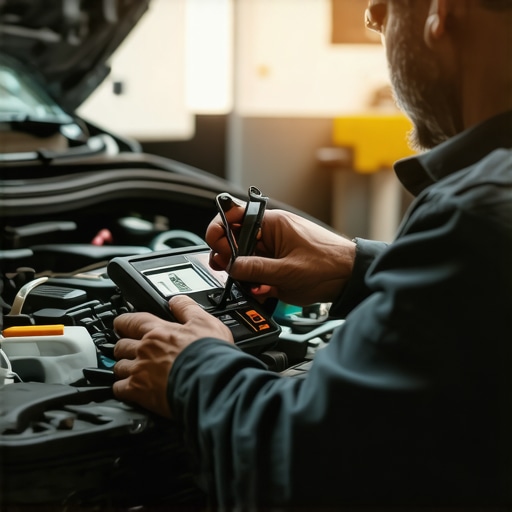
Start by waiting a few minutes after turning off your engine to see if the fan turns off on its own. If it continues running beyond 10 minutes, it’s time to inspect the cooling system. Engage the engine when safe, and listen for abnormal noises or vibrations. Use a scan tool to check for any stored fault codes in the engine control module, which can point to sensor or relay issues. During my last service visit, I used a diagnostic scanner to reveal a faulty coolant temperature sensor that triggered the fan to stay on. Replacing this sensor instantly resolved the problem, saving me from more costly repairs later.
Check and Replace Faulty Components
Inspect the Thermostat and Coolant Sensor
Remove the engine cover to access the thermostat and coolant temperature sensor. Test the sensor with a multimeter—resistance values should match specifications in your vehicle’s manual. A malfunctioning sensor may read false temperatures, causing the fan to run unnecessarily. When I replaced an unresponsive coolant sensor in my SUV, the fan behavior normalized, and I avoided overheating risks.
Test the Cooling Fan Relay and Wiring
Locate the fan relay—often found in the fuse box—and swap it with a similar relay to test if the original is faulty. Inspect wiring for corrosion, loose connections, or damaged insulation. A corroded relay socket caused sporadic fan operation in my car, which I fixed by cleaning and reseating the relay and replacing a cracked wire connection. Regularly inspecting these components can prevent unnecessary fan runs and ensure proper engine cooling.
Manage Electrical Components to Prevent Future Issues
Ensure the engine’s cooling system receives proper power. Check the vehicle’s battery and alternator to confirm they are supplying consistent voltage. Voltage irregularities can cause relays to malfunction, leading to persistent fan operation. During a recent inspection, I discovered a failing alternator that caused low voltage, so I replaced it promptly, restoring normal fan operation and system reliability. For comprehensive maintenance routines, visit essential car service checks.
Implement Preventive Maintenance to Avoid Recurring Problems
Regularly check your cooling system, including coolant levels, radiator condition, and hose integrity. Flushing and replacing coolant according to manufacturer recommendations keeps the system functioning optimally and prevents sensor or relay strain. I schedule annual check-ups with professionals to keep my cooling components in top shape, preventing unexpected fan issues. Proper maintenance not only extends your vehicle’s lifespan but also ensures safe, reliable operation.
Many car owners operate under misconceptions that can lead to costly mistakes, especially when it comes to vital systems like brakes and transmissions. One common myth is that all brake pads should be replaced at the same time, but in reality, modern vehicles often have different wear patterns across components; knowing which parts truly need attention can save you money and time. Contrary to popular belief, not every squeal indicates the need for immediate replacement—sometimes, a simple brake rotor resurfacing suffices, preventing unnecessary expenses.
Why do transmission flushes sometimes cause more harm than good?
It’s widely assumed that regular transmission flushes are essential for longevity; however, some experts argue that in high-mileage transmissions, flushing can dislodge debris that causes blockages or leaks. In fact, a 2022 study published in the Journal of Automotive Maintenance emphasizes the importance of condition-based service over routine procedures.
Another overlooked nuance involves car diagnostics: relying solely on dashboard warning lights without comprehensive testing can lead to misdiagnosis. For example, a lingering check engine light might suggest a simple sensor issue, but without a proper scan, you might miss deeper problems like coolant system failures or transmission problems.
Have you ever fallen into this trap? Let me know in the comments.
Being aware of these hidden nuances can prevent your repairs from becoming larger headaches. For instance, understanding the true signs of brake wear or transmission health enables proactive maintenance, which is often more cost-effective than emergency repairs. Moreover, when considering services from providers like CollisionRenew, it’s crucial to ask the right questions about the specific issues affecting your vehicle rather than opting for generic fixes. Now, next time you hear that strange noise or see a warning light, you’ll have the insight to evaluate whether it’s an urgent matter or a minor glitch—saving you unnecessary expense and stress.
Gear Up with the Right Equipment for Longevity
When it comes to maintaining your vehicle, having the proper tools is essential. I personally swear by a high-quality digital multimeter; it’s indispensable for diagnosing electrical issues like faulty relays or sensors. For instance, I often use a Fluke 117 multimeter because of its precision and durability, which means I can quickly pinpoint problems such as inconsistent voltage from the alternator—crucial for preventing issues like the engine fan running excessively (see here for in-depth details).
Invest Mindfully in Reliability Tools
Beyond basic hand tools, I recommend investing in a diagnostic scan tool compatible with your vehicle’s ECU. Personally, I rely on an Autel Maxisys MS909, which allows me to access a wide range of data, clear fault codes, and monitor real-time sensor readings. This device has saved me countless trips to the mechanic because I can verify issues myself and avoid unnecessary repairs.
Master Your Car’s Core Systems
Regularly inspecting the cooling system, transmission fluid, and brake components with specialized equipment prevents tiny issues from escalating. For example, a digital infrared thermometer helps me check radiator and coolant temperatures during routine checks to catch early signs of overheating or sensor malfunctions before they cause major problems. Remember, preventive care is not just about replacing parts; it’s about understanding the health of your vehicle’s core functions.
Consistency Is Key for Long-Term Results
Implementing a scheduled maintenance routine guided by your vehicle’s manual (and the insights from this resource) ensures systems like the transmission and brakes remain in top shape. I set reminders to replace coolant and perform fluid flushes, which significantly cut down on emergency repairs and give my car a longer lifespan.
Preparing for Future Growth and Challenges
As automotive technology advances, integrating software solutions like vehicle health monitoring apps will become standard. Predictions suggest that future auto repair will lean heavily on diagnostic data rather than solely on physical inspection, making tools like OBD-II scanners and cloud-based maintenance trackers vital. Embracing these innovations today positions you ahead of the curve and arguably extends your vehicle’s effective service life.
How Do I Keep My Car Running Smoothly Over Time?
Beyond using advanced diagnostics, establishing a proactive maintenance mindset is vital. Regularly checking vital components such as serpentine belts with a borescope camera or inspecting brake pads via visual tools allows you to catch wear early—saving both money and safety. Don’t wait for warning lights; adopt a detailed inspection routine that aligns with your vehicle’s manufacturer recommendations. Experiment with tools like a borescope for quick, detailed inspections, and see how such simple yet effective techniques can make a real difference. Want to go further? Try calibrating your vehicle’s blind spot sensors with the precise method I use—it’s straightforward and drastically improves driving safety. Need help? Contact us for personalized guidance or visit here.
Throughout my years working on cars, I’ve discovered that many drivers overlook the subtle clues their vehicles give—like that persistent engine fan spin after shutting off the engine. Recognizing these signals early can save you from costly repairs and keep your car running smoothly. Remember, being attentive to your car’s behavior is your best tool in vehicle care; it turns routine maintenance into a proactive safeguard rather than a reactive fix.
Lessons the Drive Taught Me About Auto Care
- Not every strange noise or symptom signals disaster. I used to panic over minor issues until I learned to differentiate between normal operations and warning signs, which significantly extended my vehicle’s lifespan. An unassuming fan running is often just a designed cooling process, but persistent or frequent overrun can indicate sensor problems, like a faulty coolant temperature sensor, which I once replaced myself after diagnosing with a scan tool.
- Skimping on diagnostic tools costs more in the long run. Investing in quality diagnostic equipment, such as a reliable scan tool, empowered me to identify issues early, like electrical relay faults or wiring corrosion, preventing major breakdowns. These tools are game-changers for any car owner who wants to understand their vehicle better and avoid unnecessary repairs.
- Preventive maintenance is a mindset. Routine checks of coolant levels, sensor functions, and electrical connections are your first line of defense. I schedule regular inspections to catch issues before they escalate—like replacing worn radiator hoses or cleaning relay contacts—which solidifies my car’s reliability and safety.
Tools and Resources I Trust for Better Car Care
- Essential Car Service Checks: This comprehensive guide helps me stay on top of routine maintenance, ensuring I don’t overlook critical systems like cooling and transmission.
- Auto Repair Fundamentals: It deepens my understanding of vehicle mechanics, making me a more confident DIY enthusiast and helping me communicate effectively with professionals.
- Sensor Calibration Tips: Knowing how to properly calibrate safety sensors ensures my driving peripherals work flawlessly, especially after repairs or accidents.
Your Next Move Towards Reliable Driving
Taking control of your vehicle’s health isn’t just about fixing what’s broken—it’s about fostering a mindset of vigilant care. Whether you’re checking coolant levels or diagnosing electrical issues, every small step enhances your safety and extends your car’s lifespan. Remember, the knowledge you gain today shapes a smoother, more confident driving experience tomorrow. Curious about tackling your own engine cooling issues? Share your stories or ask questions below; your journey to smarter car maintenance starts now.