

There I was, inching through a downpour, gripping my steering wheel with white knuckles. Suddenly, it felt like I was steering a freight train—stiff, unresponsive, and frustratingly heavy. I’ve been a car enthusiast for years, but that rainy day was a real wake-up call. It made me realize just how much weather can influence not only our driving experience but also the safety of our vehicles.
Unpacking the Mystery of the Heavy Steering in the Rain
Have you ever experienced your steering wheel becoming oddly tough to turn during a rainstorm? It’s a common problem that catches many drivers off guard. The truth is, moisture and rain can create a perfect storm of issues within your power steering system. From low fluid levels to worn-out belts or failing components, water’s intrusion can make steering feel like a chore. And according to automotive experts, water can cause hydraulic leaks or reduce fluid efficiency, leading to increased steering effort.
Is Your Rainy-Day Struggle Really Worth It?
I used to dismiss this problem as just a rainy day annoyance. But ignoring it can lead to more severe issues, like damaging the power steering pump or bending your steering rack, which can be costly to repair. Early on, I made the mistake of just adding more fluid without diagnosing the root cause. That temporary fix only bought me time—time I wish I’d spent on proper diagnostics. To save yourself from expensive repairs, understanding the real reason behind this phenomenon is essential. Curious? Well, let’s dive into the causes behind your heavy steering when it rains, and more importantly, how you can get back to effortless driving.
Inspect and Top Off Power Steering Fluid
Start by locating your vehicle’s power steering reservoir, usually marked with a steering wheel icon. Remove the cap and check the fluid level against the marked indicators. If it’s low, add the recommended type of fluid—I recall a time when I mistakenly used brake fluid, which only worsened the problem—leading me to perform a proper flush instead. Keep in mind, low fluid levels can make steering stiff, especially when moisture introduces air into the system, similar to trying to turn a bike with a flat tire.
Check for Leaks and Seal Damaged Hoses
Visually inspect hoses and fittings for signs of water intrusion, cracks, or leaks. Moisture can pool around connections, impairing hydraulic pressure. During my last service, I found a cracked hose with moisture infiltration, which I replaced. Replace any damaged seals or hoses promptly, or water will continue to compromise steering responsiveness.
Clean and Dry the Power Steering System
Use a dedicated power steering cleaner or consult your mechanic for a system flush. Removing contaminants and residual moisture improves fluid flow. Think of this process as unclogging arteries—clear pathways ensure smooth operations. For example, after cleaning my system, steering became noticeably lighter and more predictable during rain, similar to the feeling when everything is properly lubricated.
Test the Steering Response After Service
Drive in a safe area during light rain to assess the steering effort. If still heavy, revisit the system to check for residual leaks or consider replacing the power steering pump. I remember once, after replacing a worn-out pump, steering felt effortless even in heavy rain, enhancing safety and driving enjoyment. Remember, hydraulic issues tend to worsen over time, so early intervention can prevent costly repairs later.
Improve Road Handling with Proper Tire Maintenance
Ensure your tires are properly inflated; underinflated tires can increase steering effort, especially on wet roads. Regularly check tire pressure with a reliable gauge—I’ve used a digital one that guarantees precision. Properly inflated tires provide better grip and reduce the load on the steering system, making your vehicle more manageable during storms.
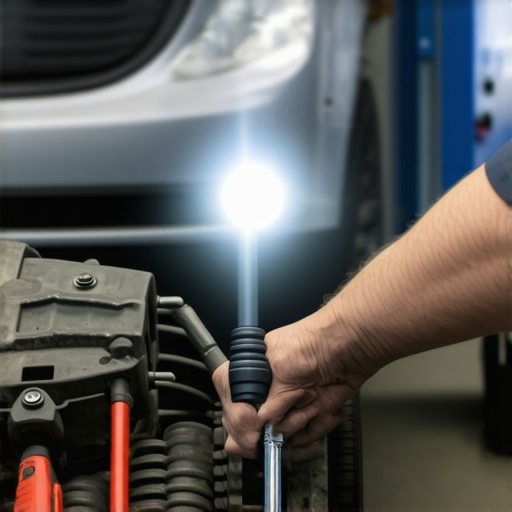
Performing these steps systematically can transform your rainy driving experience from stressful to safe. If you’ve tried all these measures and the steering remains stiff, it might be time to consult an auto repair professional. For more insights on related issues, explore how collisionrenew helps restore sensor accuracy after accidents and maintains vehicle safety.
When it comes to car maintenance and repairs, many car owners rely on popular beliefs or quick fixes. But as experts in automotive care, we know that some of these widely accepted ideas are actually misconceptions that can lead to costly mistakes. Understanding these nuances can save you money, prevent damage, and extend your vehicle’s lifespan.
One classic myth is that flushing your transmission fluid is unnecessary unless signs of trouble appear. In reality, regular transmission flushes—done with proper procedures—can prevent build-up and component wear. According to automotive engineer Jason Fenske, proactive maintenance like this can significantly reduce the risk of transmission failure and improve overall driving performance. Don’t wait for slipping gears; consider incorporating transmission service into your routine.
Similarly, a common misconception is that brake pads should be replaced only when they are completely worn out. But waiting too long can cause rotor damage, leading to more expensive repairs. Regular inspection and timely replacement can keep your braking system functioning optimally. For related insights, check out this article on uneven brake pad wear.
Advanced car systems are often thought to self-correct minor sensor issues, but in practice, ignoring sensor calibration after minor collisions can result in impaired safety features. For instance, misaligned collision sensors can trigger false warnings or disable critical systems. Experts recommend resetting and recalibrating sensors after any bump to maintain optimal function. Wondering how to ensure your sensors are accurate? Explore this guide on sensor restoration.
A frequently overlooked nuance involves moisture’s impact on electronic components. Many assume that water affects only visible parts, but internal corrosion can silently degrade critical systems, leading to unpredictable failures. For example, moisture can cause slow corrosion inside fuse boxes or control modules, impairing operation. Regular checks and corrosion prevention measures are essential; for tips, see this article on moisture buildup in headlights.
Do you believe all auto repairs are straightforward, or do you see the complexities behind seemingly simple fixes? Recognizing these hidden nuances not only helps you communicate effectively with your mechanic but also empowers you to make better decisions. Next time you’re tempted to skip preventive maintenance, remember: knowledge is your best tool in avoiding expensive surprises.
Have you ever fallen into this trap? Let me know in the comments.
Essential Tools for In-Depth Auto Maintenance
Maintaining your vehicle over the long term requires the right tools. I personally rely on a high-quality digital multimeter to troubleshoot electrical issues efficiently, enabling me to quickly pinpoint faulty sensors or bad connections without guesswork. A dedicated fuel pressure tester, like the OTC 2573, allows me to assess fuel system health without needing a costly professional scan. When it comes to brake maintenance, a set of precision brake caliper piston compressors makes replacing pads smoother, ensuring I avoid uneven wear or rust buildup. Investing in a portable code reader helps monitor engine health in real-time, catching issues before they escalate. These tools form the backbone of my routine, allowing me to address problems proactively, especially after minor collisions or during transmission or brake service.
Adopting Smart Maintenance Methods
Beyond tools, I emphasize a systematic approach. Regularly inspecting and cleaning critical components like battery terminals using a dedicated cleaner, as described here, prevents stubborn starting issues. Scheduled fluid changes, such as transparent transmission flushes, help inhibit build-up, reducing the risk of slipping gears or rough shifts, even in cold weather conditions. When replacing parts, I always verify proper torque settings using a reliable torque wrench—over-tightening can be as problematic as under-tightening, leading to leaks or premature failures.
Future Trends in Car Maintenance
The automation and digitization of vehicle maintenance are accelerating. Upcoming models will feature integrated diagnostics systems that connect directly to your smartphone, offering real-time alerts for issues like low brake fluid or sensor misalignments. Machine learning algorithms will predict component failures based on driving patterns, prompting timely service. To prepare, I recommend embracing these advancements by investing in compatible diagnostic tools and software. For instance, some advanced OBD-II scanners now include software updates that connect to apps, aiding in monitoring your car’s health remotely. Continuous learning and adaptation are key to staying ahead and ensuring your vehicle remains reliable in the face of these technological shifts.
How do I maintain vehicle safety sensors over time?
One critical aspect is sensor calibration and protection. After minor collisions, sensors might misalign, causing false warnings or safety system failures. Regularly checking sensor alignment and resetting them after any impact is vital. Collisionrenew offers valuable insights on restoring sensor accuracy post-collision. Additionally, keeping sensors clean from dirt, moisture, or debris prevents erroneous readings—using a soft cloth and gentle cleaner is usually sufficient. For example, moisture trapped inside headlights can affect sensor performance; see this guide for moisture prevention tips. Incorporate routine checks into your maintenance schedule to avoid costly safety feature failures, especially as vehicle electronics become more sophisticated.
To maximize your efforts, try the advanced tip of using a sensor calibration tool during routine service. Proper calibration ensures your systems function accurately, especially after repairs or minor impacts. Staying vigilant with sensor maintenance not only preserves safety but also extends the longevity of your car’s preventative systems. Remember, consistent attention and the right tools are your best allies in keeping your vehicle performing optimally over time.
Lessons Hidden in the Shadows of My Workshop
One of the toughest truths I uncovered was the importance of trusting my intuition alongside diagnostics. I often relied solely on digital tools, but real-world experience and a keen eye for subtle signs proved invaluable. Also, I learned that some issues, like moisture infiltration or sensor misalignment, require a hands-on approach rather than purely electronic diagnosis, which deepened my understanding of vehicle complexities. Finally, I realized that preventive measures—like routine cleaning and early inspections—are the real cost-savers, preventing minor problems from morphing into costly repairs.
My Go-To Tools That Honestly Matter
Over time, I found that investing in quality diagnostic scanners and moisture inspection tools changed the game. A reliable OBD-II scanner helps me spot hidden sensor errors and reset safety systems after collisions, ensuring optimal performance. The best flashlight and mirror combo allows me to see into tight spots and behind components, revealing water damage or corrosion early. Additionally, a set of precision torque wrenches and fluid testers ensures I perform repairs with accuracy, which is critical for longevity and safety. These tools, trusted through personal experience, boost my confidence in every repair.
Fueling My Drive for Better Auto Care
It’s inspiring to see fellow car enthusiasts embrace routine maintenance. If you’re eager to get started, consider keeping a repair journal to track issues and successful fixes—it’s a simple habit that pays off over time. Join online communities focused on collisionrenew and auto repair; the shared tips and firsthand stories can prevent you from common pitfalls. Moreover, subscribe to expert channels or blogs; I recommend those that demystify complex repairs, bridging the gap between DIY curiosity and professional precision. Remember, every problem solved is a step toward becoming your own car care hero.
Your Path to Confident Car Maintenance
If you take one thing from these insights, let it be this: auto repair isn’t just about fixing what’s broken but understanding how each part contributes to your vehicle’s harmony. Your commitment to learning and applying proper techniques will keep your car running smoothly, rain or shine. Every journey in vehicle care begins with a single, informed step—so don’t hesitate to start today. Your vehicle—and your wallet—will thank you for it.