

It happened to me on a busy Monday morning—after a quick stop at the gas station, I noticed that familiar glow on my dashboard: the tire pressure warning light. I had just checked my tires the day before, and everything seemed perfect. Frustration crept in. How could it be that the light stayed on, even though I knew my tires were properly inflated? That moment of confusion made me realize this is more common than many car owners realize—and it’s often a simple fix that can save you time and money.
Don’t Let a Stubborn Tire Pressure Light Drive You Crazy
Many drivers, including myself early on, assume that because their tires look fine and feel okay, there’s no reason for the warning light to stay on. But the truth is, this little light can be caused by several underlying issues—not just when the air pressure drops below the recommended level. Today, I’m going to share what I’ve learned from personal experience and trusted auto repair insights, so you can finally put this nagging problem behind you.
Is Your Tire Pressure Light Worth the Hassle? Yes, And Here’s Why
In my initial attempts to dismiss the warning, I made a classic mistake: I simply ignored the light, thinking it was a false alarm. This is a common error, but it can lead to more serious problems—like uneven tire wear or even blowouts—if the issue is ignored. According to experts like Collision Renew, a warning light that stays on should never be dismissed without proper diagnosis. Sometimes it’s a faulty sensor or an issue with the vehicle’s computer system rather than the tires themselves. So, even if your tires seem fine, your car’s warning system might be trying to tell you something important.
Now, let’s explore what might be causing that persistent glow and how you can troubleshoot it with confidence. Ready to clear up this confusion? Stay tuned for actionable steps that can get your dashboard back to normal and keep your vehicle running smoothly.
,
Check the Tire Pressure with a Reliable Gauge
Start by verifying your tire pressures using a accurate digital or analog gauge. Remove each valve cap and press the gauge firmly onto the valve stem, ensuring no air leaks. If any tire shows a pressure significantly below the recommended PSI, inflate it to the proper level. During my own experience, I found a small nail puncture on one tire that kept the pressure low despite a visual inspection. Using a good-quality gauge helped me catch this subtle issue early.
Inspect the Tire Pressure Sensors Carefully
Modern vehicles have TPMS (Tire Pressure Monitoring System) sensors mounted on each wheel. Sometimes they malfunction or get damaged, leading to false warning lights. To check these, raise the vehicle securely on a lift or jack stands. Remove each wheel and examine the sensor for signs of corrosion, dirt, or damage. Gently wiggle the sensor to detect any loose connections. I once replaced a faulty sensor myself, which drastically improved the reliability of the warning system. Refer to Collision Renew’s auto-repair guides for sensor replacement tips.
Test and Reset the System
After correcting tire pressures and inspecting sensors, reset the TPMS system. This often involves turning on the ignition and holding the reset button or following specific procedures outlined in your vehicle’s owner manual. Some cars automatically recalibrate after driving for a few minutes. If the warning persists, using an OBD-II scanner can help read error codes related to the sensors. During my last fix, I connected a scanner, identified a faulty sensor code, and replaced the unit, which finally cleared the warning. For detailed diagnostics, check Auto Repair Guide.
Consider the Age and Condition of Your Tires
If your tires are over six years old, internal sensor batteries or the tires themselves might be compromised, causing false alerts. Regularly inspect for sidewall cracks, irregular wear patterns, or embedded debris. Replacing old tires or sensors can prevent ongoing issues, saving you from recurrent warnings. A quick review of Long-term Vehicle Care tips can extend your vehicle’s lifespan.
Stay Proactive to Prevent Future Problems
Keeping your tires and sensors in top shape reduces the chances of warnings and potential roadside failures. Regular maintenance, including tire rotations and pressure checks, is essential. Consider scheduling periodic professional inspections, especially if your warning lights stubbornly stay on after basic troubleshooting. Remember, addressing these issues promptly preserves your safety, vehicle reliability, and budget.
Many car owners operate under misconceptions that can lead to costly mistakes or suboptimal maintenance habits. As an auto repair enthusiast and professional, I want to shed light on nuanced pitfalls often overlooked, even by seasoned DIYers. One common myth is that routine maintenance is solely about replacing parts on a fixed schedule. While scheduled service is essential, there’s a hidden nuance: understanding when to perform diagnostics to prevent small issues from escalating. For instance, neglecting early signs of transmission wear—like slight delays during shifts—can hasten costly repairs. A study by Collision Renew emphasizes that proactive diagnostics save money in the long run.
Another widespread misconception involves brake service. Many believe that if brakes feel fine, they don’t need attention until squealing or vibration occurs. However, the subtle nuances—such as uneven pad wear or internal corrosion—are often precursors to brake failure. Failing to recognize these early warning signs can lead to dangerous situations. A common trap is assuming that new-looking brake pads require no further inspection; in reality, the quality of brake fluid and pad installation precision heavily influence safety and performance. Regular brake service updates recommend inspecting calipers and hydraulics alongside pads.
Are DIY Repairs Still Safe When You Skip Professional Diagnostics?
Many enthusiasts think that performing basic repairs—like changing oil or replacing filters—eliminates the need for expert input. While initial maintenance has its place, advanced mistakes occur when underlying issues are ignored. For example, a worn transaxle or faulty sensor can mimic minor symptoms, but if left unchecked, these lead to transmission slipping or failure. Relying solely on visual checks or generic advice can mask critical problems. Auto repair experts stress that proper diagnostics often involve tools and experience that are indispensable for long-term vehicle health.
Finally, I advise always questioning what you believe about your vehicle’s condition. For example, convincing yourself that your high-mileage transmission is beyond repair without proper diagnostics could be a costly mistake. Instead, consider strategic rebuilding or fluid exchanges informed by expert advice. For deeper insights, check the comprehensive guides at Collision Renewal Strategies.
Understanding these nuanced aspects isn’t just about avoiding pitfalls; it’s about mastering your vehicle’s health for reliable, safe performance. Have you ever fallen into this trap? Let me know in the comments. Remember, a little knowledge goes a long way—stay sharp and proactive in your auto care practices.
Essential Tools for Everyday Auto Care
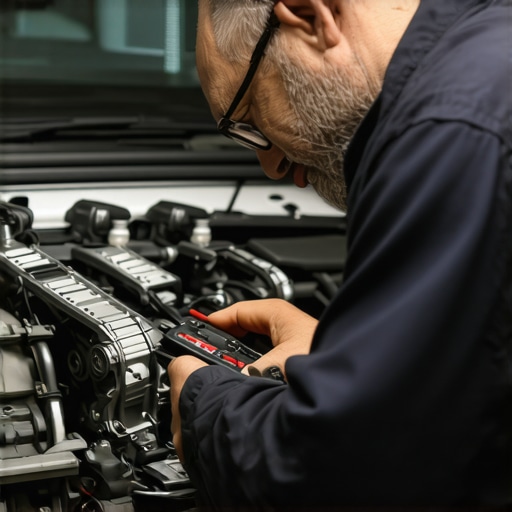
To ensure your car remains reliable and safe, investing in quality diagnostic equipment and maintenance tools is crucial. I personally rely on a high-precision digital multimeter, which allows me to check sensors and electrical connections quickly and accurately. A reputable OBD-II scanner is indispensable; I use the BlueDriver because of its comprehensive code reading capabilities and user-friendly interface. This device helps me pinpoint issues like faulty sensors or intermittent warning lights without the need for a mechanic—saving both time and money.
Beyond diagnostic gadgets, good hand tools are a must. I recommend a set of stubby wrenches and a torque wrench for accurate tightening during repairs. For tire pressure monitoring system (TPMS) sensor resets, a dedicated TPMS activation tool can be a game changer, allowing you to recalibrate sensors after replacements.
Adopting Reliable Maintenance Methods
Routine maintenance isn’t just about swapping out parts; it’s about proactive inspections. I schedule regular checks using a snippet of essential service protocols to spot issues before they escalate. For example, inspecting the condition of brake fluid and ensuring your transmission fluid isn’t contaminated can extend component lifespan and prevent costly repairs.
Using a reliable brake fluid tester is an underrated step I recommend. It helps me determine if fluid moisture levels are within safe limits, reducing the risk of brake failure. Additionally, periodic suspension checks using a simple jack and torque wrench help verify that shock absorbers and struts are functioning properly, preventing uneven tire wear or handling issues.
Planning for Long-Term Results and Scalability
As your vehicle ages and accumulates miles, scaling maintenance becomes essential. I keep a detailed maintenance log, which includes diagnostic scans, part replacements, and inspections. This habit allows me to observe patterns—like increasing sensor errors—that signal the need for more comprehensive repairs, such as transmission rebuilding, guided by tips from top transmission advice.
Looking ahead, automation and software updates will further streamline vehicle upkeep. Embracing advanced diagnostics, such as live sensor data analysis, will become standard, making maintenance more precise and less invasive.
How can I maintain my auto systems effectively over time?
Consistently using a quality OBD-II scanner for early diagnostics, paired with scheduled manual inspections of critical parts like brakes and suspension, helps maintain optimal performance. Don’t forget to update your maintenance routines based on your vehicle’s age and mileage—this proactive approach can prevent breakdowns and extend your car’s service life. Try integrating a monthly diagnostic check and see how it reveals hidden issues before they turn into expensive repairs. For more detailed guidance, visit auto repair essentials.
My journey to understanding tire pressure issues taught me that even the smallest details can make a big difference in vehicle safety and longevity. When that stubborn warning light refused to budge, I realized that proactive diagnostics and a deep knowledge of vehicle systems are essential. By sharing my personal lessons, I hope to empower fellow car owners to approach auto care with confidence and a keen eye for detail.
The Untold Lessons Behind Tire Pressure Vigilance
One of my biggest revelations was that sensor faults are often mistaken for simple pressure drops. I once replaced a perfectly good tire only to find the warning light still on—turns out, a faulty TPMS sensor was the culprit. This experience underscored the importance of separating sensor issues from actual tire problems, which can save you both time and money.
Another lesson was about maintenance mindset. Regularly checking and resetting TPMS systems after repairs ensures the system functions correctly, preventing false alarms. I learned that a small investment in a quality OBD-II scanner can make diagnostics swift and accurate, helping me catch potential issues before they escalate.
Tools and Tips for the Curious Car Owner
Trustworthy equipment is your ally. A digital tire gauge paired with an OBD-II scanner like BlueDriver provides clarity and confidence. Also, keeping a set of hand tools, including a torque wrench, helps when reseating sensors or adjusting components. Sites like Collision Renew’s maintenance guides have been invaluable in honing my DIY skills.
Beyond tools, cultivating a habit of regular inspections prevents surprises. Simple steps like checking for tire sidewall cracks or embedded debris complement pressure checks and enhance safety. A proactive approach means your vehicle stays reliable and you’re less likely to face costly breakdowns.
Navigating the Road Ahead with Confidence
My experience has shown that understanding your vehicle’s warning signs, coupled with the right tools and habits, transforms the auto repair journey from stressful to manageable. Whether it’s troubleshooting a persistent tire warning or performing scheduled maintenance, embracing knowledge empowers you to keep your car—and yourself—safe on every trip.
Remember, each lesson learned adds to your auto care toolkit. Stay curious, stay diligent, and don’t hesitate to seek professional help when needed. After all, the road to automotive mastery is paved with continuous learning and a proactive mindset.