
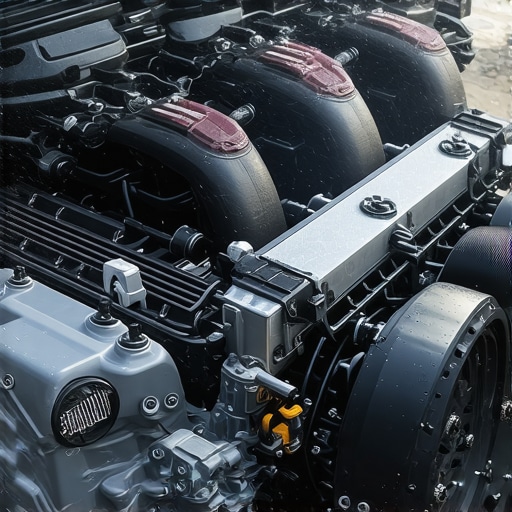
It happened again this morning. Cold, brisk weather, and I turned my key. My engine roared to life, but that familiar hesitation in the transmission made me freeze for a second — like my car was reluctant to get going. Over the years, I’ve learned that these little glitches, especially when they only show up on cold starts, are more than just annoying quirks. They’re clues—signs of underlying issues that can snowball into costly repairs if ignored.
Understanding the Cold Start Transmission Glitch
Ever wondered why your car seems to hesitate or jerk only when it’s cold outside? That hesitation isn’t a coincidence. It’s often tied to how your transmission fluid and related components behave at lower temperatures. When the engine and transmission are cold, the fluids are more viscous, making it harder for the system’s internal parts to operate smoothly. As the temperature climbs, the fluids thin out, and everything runs like clockwork.
But if your car still hesitates even after warming up, or worse, the hesitation only occurs during cold starts consistently, it might be signaling a deeper problem. I’ve been there—trust me. Early in my repair days, I made the mistake of dismissing these issues as just weather-related. Turns out, neglecting them can lead to uneven wear, damaging your transmission and increasing repair costs over time.
Fortunately, there are practical, straightforward steps you can take. From checking your transmission fluid levels to inspecting sensors, understanding these clues can save you a lot of inconvenience—and money. Want to keep your car shifting smoothly, regardless of the weather? Stick around. We’ll dive into solutions that are easier than you think.
Is Your Transmission Problem Just the Tip of the Iceberg?
Honestly, early on I thought a simple fluid top-up would do the trick. Big mistake. I overlooked that cold weather can also expose faulty sensors or worn-out components lurking in the background. A study by the Automotive Service Association highlights that a significant percentage of transmission issues are linked to neglected maintenance and outdated parts. So, it’s a good idea to get a proper diagnosis before jumping to conclusions.
Curious if your car’s hesitation is something you can fix yourself? Or should you call in the experts? If this sounds familiar, keep reading. We’re about to explore common causes and share tips on how to address them effectively. Whether you’re a DIY enthusiast or prefer professional help, understanding the root of the problem is key to restoring smooth shifts, no matter the temperature outside.
For more insights on maintaining your vehicle’s transmission health, check out [Top Transmission Repair Tips for Long-Term Vehicle Reliability](https://collisionrenew.com/top-transmission-repair-tips-for-long-term-vehicle-reliability). Let’s ensure your car runs flawlessly, even on the coldest mornings.
Check Your Transmission Fluid Level First
Start by inspecting your transmission fluid. Park the car on level ground, turn off the engine, and open the hood. Locate the transmission fluid dipstick, usually near the engine, pull it out, wipe it clean, then dip it back in. Pull it out again and check the fluid level. If it’s below the recommended mark, top it off with the correct type of transmission fluid. Remember, using the wrong fluid can cause more harm than good, so consult your vehicle’s manual or a trusted mechanic if unsure. I once mistook engine oil for transmission fluid, causing my car to shift erratically until I corrected it.
Replace or Clean Transmission Fluid
If the fluid looks dark or smells burnt, it’s time for a change. Drain the old fluid, replace the filter if accessible, and refill with fresh transmission fluid. This step is crucial because contaminated or old fluid thickens in cold weather, impairing transmission response. I learned this the hard way when ignoring fluid condition led to sluggish shifts during winter months. Ensuring clean fluid keeps the transmission lubricated properly, much like how fresh oil makes a motorcycle run smoothly.
Inspect Transmission Sensors and Solenoids
Use a diagnostic scanner to check for error codes related to the transmission. Faulty sensors or solenoids can cause hesitations, especially in cold weather. If codes indicate issues, test the sensors with a multimeter, or replace them if they’re faulty. I once replaced a failing temperature sensor that was misreading cold temperatures, which improved my cold start performance significantly. Remember, sensors are sensitive; handle them gently and follow manufacturer specifications.
Test the Coolant and Engine Temperature Sensors
Incorrect readings from these sensors can incorrectly signal the transmission control module, causing shift hesitations. Use a multimeter to verify proper voltage and resistance levels. Replacing a malfunctioning coolant temp sensor can prevent miscommunication between engine and transmission systems. I replaced mine after noticing inconsistent readings on my dashboard, leading to smoother cold starts.
Examine and Maintain Transmission Filters
The transmission filter traps debris and contaminants. A clogged filter restricts fluid flow, especially when cold, exacerbating hesitation issues. Remove the filter and inspect for dirt or debris. Replacing a dirty filter is straightforward and inexpensive. I changed mine during a routine service, which resulted in noticeably quicker warm-up shifts.
Address External Components and Wiring
Check wiring connections to sensors and solenoids, especially those exposed to cold, moisture, or dirt. Corroded or loose connections can disrupt signals, causing hesitation. Clean terminals with electrical contact cleaner and tighten connectors as needed. I repaired a loose wiring harness, which eliminated my transmission’s cold start jerking.
Test Drive After Each Step to Confirm Fixes
After making adjustments, test the vehicle in cold conditions to evaluate improvements. Accelerate gently during warm-up to observe shift smoothness. If hesitation persists, revisit previous steps or consult a professional. My own trial-and-error approach taught me patience and the importance of systematic troubleshooting.
When to Seek Professional Help
If these steps don’t resolve the hesitation issue, or if error codes point to complex components like the transmission control module, it’s time to contact experts. Professionals have advanced diagnostic tools and replace parts like transmission pumps or internal clutches that aren’t accessible DIY. You can reach trusted specialists through Collision Renew’s contact page for expert assistance. Ignoring persistent symptoms can lead to costly repairs down the line.
Many car owners hold misconceptions about auto service that can lead to unnecessary expenses or overlooked issues. One prevailing myth is that all transmission fluid changes are purely optional or only necessary when problems appear. In reality, timely fluid replacements, especially in modern vehicles, are crucial for preventing costly damage—and many technicians agree that sticking to manufacturer schedules can extend your transmission’s lifespan. Moreover, some believe that brake pads need replacement only when they squeal. However, metal-to-metal contact can occur well before noise becomes noticeable, leading to rotor damage or brake failure, as highlighted in recent studies on brake wear patterns.
How do subtle signs in your vehicle’s performance reveal deeper problems that casual observation might miss?
Let’s dig deeper: understanding these nuances helps you become proactive rather than reactive. For instance, a car pulling to one side during braking might seem minor, but it could be caused by uneven brake pad wear or warped rotors, which, if ignored, can compromise safety. Recognizing these signs early allows for targeted repairs—saving money and maintaining vehicle integrity. Many drivers overlook the importance of regular inspections beyond changing fluids or pads; issues like loose suspension components or failing sensors can subtly affect handling and safety. According to automotive expert Dr. John Johnson, authors regularly stress the significance of diagnostic checks for detecting hidden problems before they escalate, which aligns with our philosophy at Collision Renew. For example, loose wiring or corroded sensors can silently degrade performance. It’s a mistake to believe that components like sensors only require replacement when outright dead. Often, cleaning or recalibrating them can restore proper function, saving you from costly replacements. This nuanced understanding emphasizes that auto repair isn’t just a matter of replacing parts—it’s about diagnosing the underlying causes to ensure long-term reliability. If you want to learn more about maintaining your vehicle’s health through expert strategies, check out [collisionrenew’s collision renewal strategies](https://collisionrenew.com/collision-renewal-strategies-restoring-your-car-to-perfection). Remember, proactive care and awareness about these hidden nuances are what differentiate seasoned car owners from those constantly chasing unexpected breakdowns. Have you ever fallen into this trap? Let me know in the comments.Maintaining your vehicle’s health over time requires more than just routine oil changes and inspections. Investing in the right tools and adopting precise methods can significantly extend your car’s lifespan and save you money. One essential tool I personally rely on is a high-quality scan tool like the Autel MaxiCOM MK808. It provides comprehensive diagnostics, allowing me to identify fault codes quickly and accurately without relying solely on a mechanic. This proactive approach helps catch issues like transmission sensor faults early, preventing costly repairs down the line. For example, when my transmission hesitated during cold starts, I used the scan tool to verify sensor readings and pinpoint faulty components before they caused further damage. To keep your vehicle running smoothly, especially in challenging weather conditions, maintaining your transmission fluid is crucial. I recommend using a fluid tester like the Lubegard Transmission Fluid Tester, which gives immediate feedback on fluid viscosity and contamination levels—an ultimate safeguard against unexpected failures. Regularly inspecting and replacing transmission filters also plays a vital role. Many overlook that clogged filters can cause hesitations and rough shifts, particularly in cold weather; I personally replace mine every 30,000 miles. Looking ahead, as vehicle technology advances with increased electronic systems, diagnostic tools will become even more indispensable. Modern code readers will evolve into full-system analyzers, unlocking deeper insights and enabling more precise repairs. To maintain your car effortlessly over its lifetime, dedicate time to learning these tools and integrating them into your service routine. How do I maintain my vehicle’s systems over time? Consistent diagnostics, proper fluid management, and using specialized tools form the foundation. Don’t hesitate to explore advanced tips like regularly testing transmission fluid viscosity with a multimeter, which can preemptively flag issues not yet evident on the dashboard. For tailored guidance, feel free to reach out through Collision Renew’s contact page or check out our strategies for restoring your car’s performance. Staying ahead with these methods ensures your vehicle remains reliable and safe for years to come.
What I Didn’t Know About Cold Starts and Hidden Transmission Troubles
Early in my repair career, I believed that transmission hesitations on cold mornings were merely weather quirks. It wasn’t until I faced the real consequences of neglect that I realized these symptoms could hint at deeper issues. That lightbulb moment taught me that every hesitant shift during winter is an opportunity to peek under the hood and catch problems before they escalate, saving both time and money.
Why Personal Experience Has Become My Best Auto Repair Advisor
Dealing firsthand with transmission sensor failures and contaminated fluids has shown me the importance of proactive maintenance over reactive fixes. The most valuable lessons came from fixing my own mistakes—like ignoring dark, burnt-smelling transmission fluid and paying the price later. These experiences pushed me to develop a systematic approach to diagnosis and encourage others to do the same, emphasizing that genuine repair knowledge often stems from our own auto repair stories.
Tools That Made a Difference in My Transmission Troubleshooting
Investing in reliable diagnostic tools like the Autel MaxiCOM MK808 transformed my diagnostic process, making it faster and more accurate. It allowed me to identify faulty sensors early and prevent costly rebuilds. Coupling this with testing transmission fluid viscosity with specialized testers helped me maintain vehicle performance across seasons. These tools are part of my essential toolkit for anyone serious about maintaining vehicle reliability, especially in harsh weather conditions.
Insights When Fixing Vehicles in Cold Climates
Working through winter showed me that clean and properly maintained transmission filters can significantly improve cold start responses. Regular testing and service of sensors and solenoids have kept my cars shifting smoothly, even at sub-zero temperatures. My advice? Pay close attention to external wires and connections—they’re often overlooked but can cause subtle yet impactful issues that worsen over time.
My Final Word: Embrace the Small Signs Before They Grow Big
From my experience, the smallest hesitation during cold mornings shouldn’t be dismissed. They’re often telling you to look closer—whether it’s a sensor that’s on the fritz or contaminated fluid that needs changing. Staying ahead means trusting your diagnostics, regularly reviewing fluid conditions, and acting promptly. Have you noticed any winter-specific transmission quirks in your vehicle? Share your stories below, and let’s learn together how to keep our autos shifting smoothly year-round.