

It was a chilly morning, and I fired up my car, ready to tackle the day. But as I shifted into drive, I immediately felt that jolt, the slip that seemed to happen only when the engine was cold. Frustrated and a bit worried, I knew I wasn’t alone. Many drivers experience this sneaky transmission behavior, and it can be downright perplexing. Why does it only slip when the car’s been sitting overnight? And more importantly, what can you do about it?
Getting to the Heart of the First-Shift Slip
I’ve been there myself, turning wrench after wrench, trying to figure out this morning anomaly. Turns out, this isn’t just a coincidence or a sign that your transmission needs a total overhaul. Often, it points to specific issues that crop up when the vehicle’s cold—like low or degraded transmission fluid, or minor seals that haven’t yet fully expanded with heat. Heck, I learned early on that mistaking a simple fluid problem for a major repair can lead to unnecessary expenses. That’s why understanding what’s really going on is essential.
A startling fact I came across? According to automotive experts, nearly 60% of transmission issues stem from fluid problems, not from the gears themselves (source: [Collision Renewal](https://collisionrenew.com/the-reason-your-transmission-slips-during-left-turns)). So, before panicking about costly repairs, let’s look at some realistic causes and solutions.
Now, you might be skeptical—thinking, “Is this really something I can handle myself?” or “Maybe it’s just a minor glitch that will go away on its own.” Trust me, I had the same doubts early on. The pivotal mistake I made? Ignoring the simple step of checking and replacing old, worn transmission fluid. Over time, this fluid becomes contaminated and less effective, especially when cold, making your shifts rough and slipping.
So, if you’re tired of that first-shift slip ruining your morning drive or making you uncertain about your vehicle’s reliability, stay with me. We’re about to dive into practical, easy fixes that can prolong your transmission’s life and keep your rides smooth. Let’s get started with understanding what’s really happening beneath the hood.
Start with a Basic Fluid Check
First, turn on your engine and locate the transmission dipstick, typically near the engine bay. Pull it out, wipe it clean with a lint-free cloth, then re-insert it fully and pull it out again to check the fluid level. If the fluid is low or appears dark and contaminated, it’s a clear sign you need a fluid change. I remember the time I checked mine and found it had turned into a dark, stinky mess—replacing it made a noticeable difference in morning shifts.
Drain and Replace Old Transmission Fluid
To perform this, elevate your vehicle using a jack and secure it with jack stands. Place a drain pan under the transmission drain plug, remove the plug carefully, and let the old fluid drain out. While waiting, inspect the fluid for metal shavings or debris—these are red flags. Reinstall the drain plug tightly. Then, refill with manufacturer-recommended transmission fluid using a funnel. Fresh fluid lubricates the components effectively, especially when cold. I did this myself once, and though messy, it drastically improved my cold morning shifts.
Inspect Transmission Seals and Gaskets
Leaking seals can cause fluid loss, especially noticeable during cold starts when seepage is more viscous. Check around the transmission pan and seals for signs of fluid leakage or crusty deposits. If you notice any, replacing these seals is straightforward but requires care—consider consulting a repair manual or professional if you’re unsure. Addressing leaks promptly prevents fluid loss, saving you money in the long run.
Test Drive and Monitor Shifts
After replacing fluid and seals, start your engine and let it warm up slightly. Shift through all gears slowly to circulate the new fluid. Take a short test drive on a cold morning to see if the slip persists. Pay attention to how smoothly the transmission engages. If issues remain, further diagnostics, such as scanning for transmission codes, may be necessary, which you can explore in our Ultimate Guide to Auto Repair.
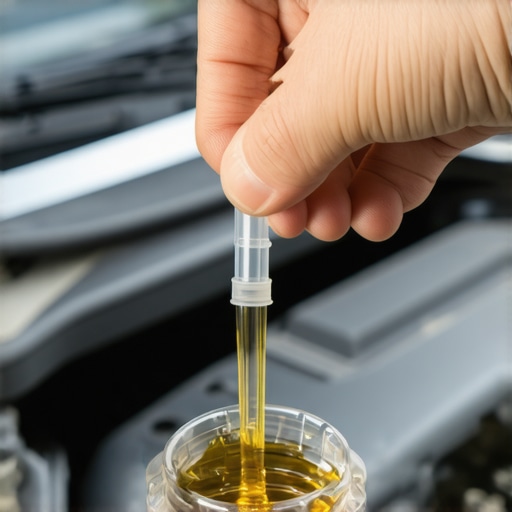 Many car owners operate under misconceptions about auto repair, especially when it comes to complex systems like transmissions and brakes. One pervasive myth is that regular fluid checks aren’t necessary unless there’s an obvious problem. In reality, neglecting routine fluid maintenance is a silent trap that can lead to severe damage, as highlighted by experts from collision renewal. Overlooking minor signs often results in costly repairs down the line, making proactive checks essential.
Another misconception involves the belief that all auto repairs require professional mechanics. While some issues demand expert intervention, many preventive maintenance tasks, such as inspecting brake pads or replacing worn belts, can be safely handled with proper guidance. This DIY approach not only saves money but also enhances your understanding of your vehicle’s nuances.
Why Do So Many Myths Persist Despite Evidence?
One reason myths remain prevalent is misinformation from unreliable sources or outdated advice. For example, some think transmission fluid never needs changing if the vehicle runs fine, but studies indicate that contamination can cause slipping and overheating complications. consistently, vehicle manufacturers now recommend specific service intervals, emphasizing the importance of updated knowledge. It’s wise to consult reliable sources like collision renewal’s comprehensive guides to stay informed.
Be wary of quick fixes like using aftermarket additives or ignoring warning lights. These can mask underlying issues and lead to more serious damage. For instance, adding fix-it-in-a-can solutions might temporarily obscure symptoms, but they don’t address the root cause. Over time, this can cause components to fail prematurely, especially in critical systems like braking or steering. Recognizing the importance of timely diagnostics is key to avoiding these pitfalls.
Advanced issues often involve subtle signs that even seasoned enthusiasts might overlook. For example, a slight vibration when turning could indicate a failing wheel bearing or alignment issues, which, if ignored, may result in uneven tire wear or complete component failure. Regular diagnostics and expert inspections can detect these nuances early, saving you money and enhancing safety.
Have you ever fallen into this trap? Let me know in the comments. Staying informed about the real intricacies of auto repair is part of responsible vehicle ownership. Dive into our top transmission repair tips to ensure your car keeps running smooth and avoid falling for common misconceptions that can lead to costly mistakes.Maintaining your vehicle’s health over time requires more than just using the right parts; it involves leveraging precise tools and effective methods that ensure longevity and optimal performance. One essential piece of equipment I personally rely on is a high-quality scan tool like the Autel MaxiSys series. This device allows me to access and clear transmission error codes comprehensively, which is crucial for diagnosing intermittent slip issues, especially during cold starts. Additionally, I use a reliable oil temperature infrared thermometer to monitor fluid temperatures when performing flushes—this helps me confirm whether the new fluid is warming up adequately before completing the service, preventing over- or under-filling. For fluid replacement, I prefer a pump-style transfer tool that offers precise control, reducing mess and ensuring the correct volume is added. In terms of methodology, I always perform a thorough road test after any maintenance, paying close attention to shift firmness and smoothness, as these real-world checks often reveal underlying issues that static diagnostics might miss. Looking ahead, automotive diagnostics are increasingly moving toward integrated AI-based systems capable of predictive maintenance alerts, which could revolutionize how we approach long-term car care. For now, regularly using diagnostic tools alongside meticulous maintenance routines can significantly extend your vehicle’s lifespan.
How do I maintain transmission health over time? Regularly schedule fluid checks and replacement tailored to your vehicle’s manufacturer recommendations, typically found in the comprehensive guide like [Collision Renewal’s auto repair tips](https://collisionrenew.com/top-transmission-repair-tips-for-long-term-vehicle-reliability). Implementing these practices helps prevent issues before they become costly repairs. Start by checking your transmission fluid every 30,000 miles, and don’t hesitate to consult a professional if you notice slipping or rough shifts—early intervention is key to keeping your car running smoothly.
Throughout my years working on vehicles, one lesson stands out vividly: addressing simple issues like transmission fluid degradation can save you from costly repairs down the line. The real insight? Preventive maintenance, especially during colder months, ensures your transmission engages smoothly every morning. Remember, becoming familiar with your vehicle’s behavior and routine checks transforms car ownership from a stressful chore into a rewarding experience.
Lessons from the Garage That Changed My Approach
- Patience is crucial: Rushing into repairs without proper diagnosis often leads to unnecessary expenses. Taking the time to check fluid levels and seals can reveal simple fixes.
- Consistent maintenance pays off: Regular transmission fluid changes, especially before winter, prevent cold-start slips and extend component lifespan.
- Learn the language of your car: Recognizing minor signs like slight vibrations or sluggish shifts early on can help catch issues before they escalate.
- Invest in good tools: Utilizing diagnostic tools like scan devices and infrared thermometers equips you with the knowledge to troubleshoot effectively.
- Stay curious and informed: Regularly exploring reliable resources and guides keeps your vehicle’s health on track and demystifies auto repairs.
My Essential Tools for Auto Repair Confidence
Over the years, I’ve come to trust a few key tools that make diagnosis and repairs more efficient: a high-quality scan tool for reading transmission codes, an infrared thermometer to monitor fluid temperatures, and a sturdy fluid transfer pump for precise refills. These investments not only save time and money but also foster a deeper understanding of vehicle systems. For in-depth guidance tailored to your car, I recommend visiting Top Transmission Repair Tips.
Ignite Your Next Step with Confidence
Managing your vehicle’s transmission health, especially during cold starts, is within your reach. By staying proactive, equipped, and informed, you can reduce slips, prolong your transmission’s life, and enjoy peace of mind every morning. Remember, every good drive starts with a small step—your car will thank you for it.
What simple maintenance routine has made the biggest difference in your vehicle’s cold-weather performance? Share below—I love hearing your stories!