
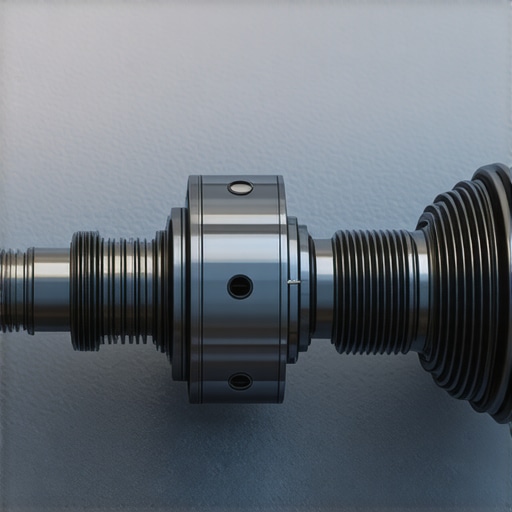
Ever stepped into your car on a chilly morning, ready to head out, only to find that your transmission stubbornly refuses to shift out of first gear? That sinking feeling of helplessness is something I’ve experienced myself. One frosty winter morning, my vehicle just wouldn’t cooperate. It was more than an inconvenience; it felt like the car was punishing me for daring to drive in the cold.
Cracking the Cold Weather Transmission Mystery
It took some digging, but I discovered that this isn’t just a random glitch—there’s a real reason behind it. Cold temperatures can cause the transmission fluid to thicken, which hampers the hydraulic system’s ability to operate smoothly. Essentially, the engine and transmission are working against each other at first, making that shift sluggish or nonexistent until everything warms up.
Is Your Transmission Really Playing Hard to Get?
Early on, I made the mistake of ignoring the issue, thinking waiting it out was enough. But here’s the thing: neglecting these symptoms can lead to more serious problems down the line, like premature wear or even transmission failure. That’s why understanding why your transmission acts up in the cold is crucial. Essential car service checks can help prevent these issues before they start.
If you’ve experienced similar frustrations or are just curious about why your car won’t shift when it’s freezing outside, stay tuned. In the next sections, I’ll walk you through the practical steps to diagnose and fix this common winter glitch, so you can avoid those icy mornings turning into a breakdown nightmare.
Warm Up Your Transmission System
Start your vehicle and let it idle for at least 10 minutes before driving, especially if temperatures are below freezing. This allows the transmission fluid to reach an optimal viscosity, reducing stiffness. I once left my car warming up while I fetched a heated coffee, and I noticed smoother shifts once I hit the road, avoiding that frustrating jamming of gears. Recognize that during this period, the fluid circulates and lessens the chances of damage, extending your vehicle’s lifespan.
Check and Replace Transmission Fluid for Cold Weather
Inspect your transmission fluid level and condition regularly. Thick, discolored, or burnt-smelling fluid signals the need for a change. During a cold snap, I replaced my fluid with a winter-grade variant that flows more easily in low temps, which significantly improved shifting performance. For specific guidance, refer to essential car service checks that include proper fluid selection. Keeping the correct fluid ensures hydraulic pressure is maintained even when cold, preventing your transmission from acting up.
Address Transmission Seal and Fluid Leaks
Leaks reduce fluid levels, causing delays or failures in gear engagement. Use a flashlight to inspect beneath the vehicle for any seepage. I once discovered a tiny leak in my transmission pan gasket; sealing it restored normal operation in cold weather. A quick fix involved tightening bolts or replacing worn seals. This step is vital because low fluid levels exacerbate cold-induced viscosity issues, risking damage. Consult collision renewal strategies for sealing techniques and parts replacement advice.
Utilize Engine and Transmission Block Heaters
Installing a block heater keeps the engine and transmission warm overnight. I used a programmable timer to activate my heater an hour before departure, which made cold mornings easier. This proactive method prevents the transmission fluid from thickening and reduces the strain on shifting mechanisms. Check your vehicle’s manual or consult an auto repair expert to ensure compatibility. For more on winter vehicle preparedness, see why your transmission shifts late in cold.
Implement Proper Driving Techniques
Avoid aggressive acceleration or abrupt shifts during cold starts. Instead, shift gears gently and allow the vehicle to warm up gradually. I learned this the hard way when I tried to rush out of the driveway on a frosty morning, which caused my transmission to slip into neutral temporarily. Over time, gentle handling reduces stress on hydraulic components and mitigates wear caused by viscosity issues. For further insights, review top transmission repair tips to ensure long-term reliability.
Schedule Regular Professional Inspections
Even with all these steps, routine check-ups are essential. A skilled mechanic can test your transmission’s hydraulic pressure and perform a diagnostic scan to spot issues early. I once caught a developing problem through a professional inspection, saving me costly repairs later. Regular checks especially before winter can preempt Transmission failure caused by cold-induced fluid thickening and seal degradation. For trusted service, connect with experts through Collision Renew’s contact page.
Many car owners operate under misconceptions that can inadvertently lead to costly mistakes. A prevalent myth is that all transmission fluids are created equal, making the frequent flushing of transmission fluid unnecessary. In reality, different vehicles require specific fluids optimized for their transmission types; ignoring this can accelerate wear or cause shifting issues. For advanced enthusiasts, understanding the chemical composition of transmission fluids reveals how synthetic variants can offer superior thermal stability and lubrication, especially in extreme climates—something often overlooked by the average driver.
Why Skipping Professional Inspections Is a Costly Mistake
Some believe that routine DIY maintenance can replace expert evaluations. However, amateur checks often miss subtle signs of impending failures, like minor seal leaks or hydraulic pressure drops that only a trained eye can detect. Regular professional inspections can identify issues like early clutch wear or brake component degradation, preventing emergency repairs. According to a study by the Vehicle Care Association, early diagnostics can reduce repair costs by up to 30%, emphasizing the importance of expert oversight. Regular car service checks are vital for optimal performance and safety.
Advanced Tips to Enhance Your Auto Repair Strategy
Beyond basic maintenance, savvy owners invest in understanding the specifics of collision renewal strategies. Proper paint matching and structural repairs not only restore aesthetics but also preserve vehicle value and safety. For instance, improper handling of a dented quarter panel can lead to misaligned frames, affecting handling and tire wear. Utilizing techniques outlined in collision renewal strategies can ensure your repairs are durable and seamless. Recognizing signs of uneven brake pad wear or a failing alternator before they manifest as dangerous failures can save lives and money. Regularly review top transmission repair tips to stay ahead in maintenance.
One common trap is neglecting the nuances of brake service timing. Many believe that pads wear out uniformly; however, uneven wear can indicate issues like caliper sticking or rotor warping, which, if unaddressed, compromise safety. Testing and diagnosing these problems requires attention to detail that only specialists can provide. Furthermore, leveraging insights from expert research can help you understand the metallurgy behind brake pad selection, leading to better longevity and performance. Brake service in 2025 focuses on innovative materials and maintenance practices that keep your car stopping smoothly.
Have you ever fallen into this trap? Let me know in the comments. Embracing the complexities of auto repair and understanding the advanced factors at play ensures your vehicle remains reliable and safe for the long haul. Don’t settle for surface-level fixes; dig deeper, and your car will thank you for it.
Keeping Your Vehicle Out of the Repair Shop
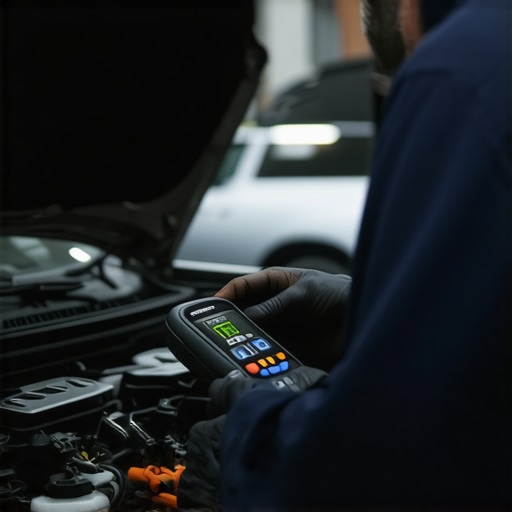
Maintaining your car over the years requires more than just the basic oil changes. Investing in the right tools and adopting proven methods can save you time and money, ensuring your vehicle stays reliable longer. One of my personal favorites is a high-quality OBD-II scanner. I recommend the BlueDriver for its comprehensive diagnostics and user-friendly app interface. It allows me to read engine codes, clear them, and even run relative tests, all from my smartphone. Regular diagnostics catch issues early, especially with complex systems like transmission or collision repair, before they escalate into costly repairs. Essential car service checks guide how to perform routine assessments that can extend your vehicle’s lifespan.
Another invaluable tool is a digital torque wrench. I use the DEWALT 20V MAX because precise tightening of bolts during brake service or suspension work prevents unnecessary wear and ensures safety. Correct torque application prevents damage to sensitive components and helps maintain proper alignment, which is vital for long-term reliability. The future of auto maintenance might lean even more towards wireless diagnostic tools integrated with cloud-based data analysis, transforming DIY efforts into professional-grade maintenance at home.
How do I maintain collision repair quality over time?
Invest in proper tools and adopt thorough methods when handling collision renewal or realignment projects. Using dedicated paint-matching apps like MatteShade ensures seamless color blending after repairs, while precision measuring systems for panel alignment help restore structural integrity. Regularly reviewing your repair techniques against professional standards can prevent issues like misaligned panels or paint mismatches. Plus, consulting collision renewal strategies keeps your repair approach sharp and effective.
For long-term peace of mind, I suggest setting up a schedule for periodic inspections using these tools, combined with professional checkups. This proactive approach minimizes surprises down the line, especially when winter or heavy driving increases wear on brakes and transmission components. Remember, consistent maintenance is key—not just for vehicle performance but for your safety as well.
If you want to deepen your understanding of maintaining your vehicle’s systems, try integrating a comprehensive diagnostic app with your tools. It’s a game-changer that brings a mechanic’s expertise into your garage. Regularly updating your knowledge and equipment positions you ahead of potential failures, making car ownership not just affordable but also enjoyable. Want more tips? Visit these essential service checks and stay informed about how to keep your car running smoothly for years to come.
The Hidden Lessons That Transformed My Approach to Cold-Weather Auto Repair
- Realizing that transmission fluid viscosity is more critical than I previously thought pushed me to adopt seasonal fluid changes, avoiding costly repairs. Never underestimate the power of proper fluid selection—it’s the unsung hero of reliable shifts in winter.
- Understanding the importance of pre-warming my vehicle became a game-changer. Just a simple 10-minute warm-up can save your transmission from unnecessary strain and wear, extending its lifespan far beyond expectations.
- My misconception that seal leaks are mere nuisances was shattered when I learned they directly impact cold-start performance. Addressing leaks early not only improves shifting but also preserves the integrity of internal components.
- Installing a block heater was a revelation—keeping the transmission and engine warm overnight drastically reduces cold-weather issues. Investing in professional guidance for compatible heaters made all the difference.
- Adopting gentle driving techniques during cold starts, rather than rushing, proved to be a vital habit. Patience during warm-up phases prevents the hydraulic shocks that damage transmission parts over time.
Curated Tools and Resources That Elevated My Auto Maintenance Game
- The Essential Car Service Checks guide became my reliable companion, providing actionable steps for seasonal maintenance tailored to cold-weather challenges. It’s my go-to reference for proactive care.
- My trusted diagnostician is the Top Transmission Repair Tips. The insights have helped me understand complex issues like hydraulic pressure drops, empowering me to communicate effectively with mechanics.
- The Collision Renew contact page connects me with experts who share practical advice on seals, leaks, and fluid choices, ensuring I’m always prepared for seasonal tune-ups.
- Books on automotive hydraulic systems and winter car care, though not listed here, have been instrumental in deepening my understanding—knowledge that pays off during those freezing mornings.
Embrace the Power of Knowledge to Keep Your Vehicle Reliable
Every vehicle’s resilience in cold weather depends on the care you invest and the insights you gather. Instead of reactive fixes, proactive, informed maintenance transforms frustrations into confidence. Take control, stay ahead of problems, and enjoy winter driving without fear. Your car isn’t just a machine—it’s an extension of your everyday life. Ready to shift gears in your auto repair approach? Dive into expert resources, adopt best practices, and watch your vehicle perform flawlessly through the coldest months.
What’s the most surprising thing you’ve learned about maintaining your car in winter? Share your experience below—I love hearing how fellow car enthusiasts tackle cold-weather challenges!