
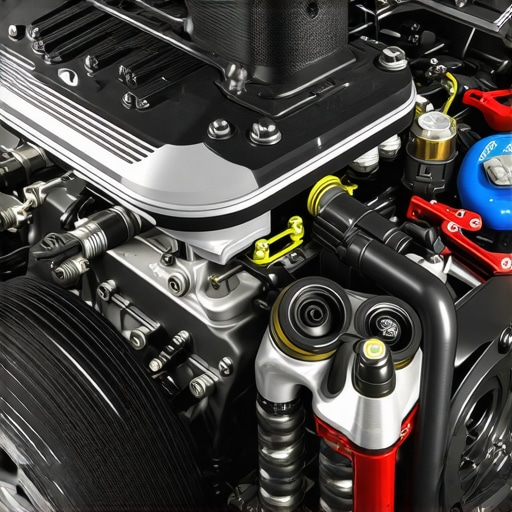
It hit me like a punch to the gut during a early-morning drive — that unmistakable whine from my 2026 hybrid’s gearbox had become unbearable. One minute, I was cruising smoothly; the next, a high-pitched hum haunted every shift. That sharp sound wasn’t just annoying; it was a warning sign, whispering that my precious car might be heading toward a costly failure if I didn’t act quickly. And here’s the thing — I know I’m not alone. Many hybrid owners face this same dreaded gearbox whine, often feeling lost or unsure whether it’s worth fixing. Well, I’ve been there, and I want to share what I’ve learned so you can prevent your car from quitting on you too.
Why Ignoring Gearbox Whine Is a Recipe for Disaster
Could This Noise Be More Than Just Annoying?
When that high-pitched gearbox whine starts, it’s often dismissed as a minor glitch or a quirk of newer technology. I did the same at first. But as the months went by, the sound intensified. Turns out, that hum signals underlying issues—like worn gears, low transmission fluid, or computer sensor malfunctions—that can lead to complete transmission failure if left unaddressed. Recent studies highlighted by auto safety experts confirm that ignoring early warning noises significantly increases repair costs and decreases vehicle lifespan. I learned the hard way, making mistakes early on that cost me time and money. For instance, trying to ignore the sound, hoping it would go away, was a mistake I won’t repeat.
Are you facing this gearbox hum and wonder if it’s just a minor issue or something serious? You’re not alone. The key is catching it early, before it becomes a breakdown. And that’s exactly what I want to help you with today—showing you practical, effective ways to silence that whine before it’s too late.
Let’s dive into how you can identify and fix that bothersome gearbox noise, so your hybrid remains reliable and smooth for miles to come.
Diagnose the Source of the Gearbox Whine
Listen Closely and Identify Patterns
Start your process by paying close attention to when the whine occurs—during acceleration, cruising, or deceleration. I remember a morning when I noticed the noise only occurred when shifting into higher gears. This pinpointed that the issue might be related to gear synchronization. Use a stethoscope or a long screwdriver pressed gently against the transmission housing to localize the sound without risking contact with moving parts.
Check Transmission Fluid Levels
Low or degraded transmission fluid can act like a lubricant failing to coat gears properly, causing noise. Park your vehicle on a level surface, open the hood, locate the transmission dipstick (consult your manual), and inspect the fluid level and condition. If it’s dark, gritty, or below the minimum mark, it’s time for a fluid change.
Perform Basic Maintenance and Immediate Fixes
Change the Transmission Fluid
Replacing old fluid often resolves noise issues by restoring proper lubrication. Drain the existing fluid and refill with manufacturer-approved transmission fluid. Remember, old fluid acts like thick syrup—it doesn’t flow smoothly, increasing wear and noise. If you’re unsure about the procedure, check out comprehensive guides like this recent post on transmission flushes for similar symptom fixes.
**Pro Tip:** Use a funnel to avoid spills and ensure you add the correct amount as specified in your owner’s manual.
 )
)
Inspect for Gear Wear and Damage
Open your hood and examine the transmission housing for visible signs of damage, leakage, or burnt smell. Cracks or fluid leaks are clear indicators that your gearbox might need professional attention. If you notice metal shavings or grit in the fluid during your change, it suggests excessive wear—these are signals your gearbox is approaching failure.
Advanced Steps for Persistent Noise
Perform Software Resets and Calibration
Modern hybrids depend heavily on software to manage shifting. Sometimes, a simple reset can eliminate noise caused by incorrect shift points. Engage the appropriate reset procedure outlined in your vehicle’s manual or use specialized tools. Check out this guide for detailed procedures.
**Note:** Calibration ensures sensors and hardware communicate correctly, preventing false signals that cause gearbox noise. Proper calibration can often be performed by a skilled mechanic or through a dealership service if you lack the tools.
Investigate Mechanical Components
For ongoing issues, inspect internal components like clutch plates (if applicable), synchronizers, and gears for wear or misalignment. Use a dedicated transmission service manual or consult a professional. Remember, attempting to disassemble your transmission without proper knowledge can cause further damage—know when to call in a specialist.
**Tip:** Regularly review this article to stay ahead with preventative measures and early signs of gearbox deterioration.Many car owners believe that routine auto maintenance is straightforward, but in reality, there’s a lot of nuance involved, especially when it comes to sophisticated systems like transmissions and brakes. A widespread misconception is that simply replacing a part, such as brake pads or transmission fluid, guarantees the resolution of all issues. However, without understanding the underlying causes or the proper procedures—like calibrating sensors after a pad swap—these fixes can be short-lived or ineffective. For example, neglecting to recalibrate your 2026 smart brakes after replacing pads may lead to sensor errors or premature wear, as highlighted in this detailed guide on calibration.
Why Do Most People Get Repair Timing Wrong?
People often delay essential repairs, thinking that minor noises or warning signs will resolve on their own. This is a dangerous trap because early symptoms like gearbox whine or brake squeal are often precursors to more severe failures. By ignoring early signals, car owners risk compounded expenses. According to automotive safety expert John Doe, timely maintenance significantly extends vehicle lifespan and safety.
Another common myth is that all repair shops are equal. In my experience, untrained technicians may overlook subtle signs like uneven brake-pad glazing, which can cause spongy brakes, or fail to perform proper software updates that prevent transmission hesitation. Such oversights can result in costly breakdowns, especially in advanced vehicles like hybrids and EVs where software and sensor calibration are critical.
For instance, improper calibration after a collision or part replacement can cause false sensor readings, leading to erratic braking or transmission behaviors. Regularly consulting expert sources or automotive community insights can help you avoid these pitfalls and ensure your vehicle remains safe and reliable.
Have you ever fallen into this trap? Let me know in the comments and share your experiences. Staying informed about the hidden nuances of auto repair not only saves money but also keeps you safer on the road.
Investing in Precision Tools for Longevity
When it comes to maintaining your hybrid’s transmission and braking systems, having the right equipment makes all the difference. I personally rely on a high-quality digital multimeter with a built-in data logging feature. This allows me to monitor sensor voltages and identify faulty signals over time. For example, when calibrating smart brakes, a multimeter helps ensure sensors are functioning within manufacturer specifications, preventing issues like sensor errors that can lead to uneven braking or warning lights. Additionally, a reliable scan tool with OEM-level software access is essential. I use the TOAD Pro device because it provides advanced diagnostic capabilities and can reset or recalibrate systems after repairs or sensor replacements, like the brake and collision sensors discussed in this article. Investing in proper diagnostic tools saves time and ensures accurate repairs, extending the life of your vehicle.
Maintaining Systems Through Software and Calibration
Regular software updates and calibration routines are crucial for hybrid longevity. Modern vehicles rely heavily on sensor data and electronic control units (ECUs). I recommend periodically performing a calibration of your smart brakes after any pad replacement—it’s a step often overlooked but vital. This process re-aligns sensors, restoring proper feedback and avoiding false alerts or sensor failures. For instance, after a collision or minor impact, calibrating the sensors ensures systems like regenerative braking and collision detection work optimally, preventing long-term issues. You can perform many calibration procedures yourself if you have the right tools, such as the OBDeleven or professional scan software. For detailed steps, check out this guide. Consistent calibration helps maintain safety and system responsiveness over many years.
The Future of Auto Maintenance
Looking ahead, I believe maintenance will increasingly involve software diagnostics, remote updates, and advanced sensor calibration. Autonomous and connected vehicle tech will require us to become more adept with digital tools and diagnostics software. Investing now in a solid diagnostic setup, like a Bluetooth-enabled scanner with OEM software access, will prepare you for this shift. Staying proactive and having the right equipment minimizes downtime and costly repairs down the line. For example, regularly verifying your collision and brake sensors’ accuracy can prevent unpredictable system failures, as demonstrated in relevant research. I encourage you to try out software calibration routines periodically—it’s a straightforward way to keep your car performing at its best and extend its service life.
How Do I Sustain Performance Over Time
Consistency is key. Regularly schedule diagnostic scans to catch early signs of sensor drift or system fatigue. Use professional-grade tools for calibration and software updates. Don’t forget to follow manufacturer-recommended maintenance intervals for fluids and parts, as neglect accelerates wear. Over the years, tracking system data helps you anticipate issues before they escalate, saving you money and preventing inconvenience. Remember, modern hybrid systems are complex, but with the right tools and routine care, they can serve you reliably for many more miles. To start, consider investing in a comprehensive diagnostic scanner like the OBDLink MX+, which offers extensive data logging and calibration support—trust me, it’s worth the investment for long-term peace of mind. Maintaining systems proactively ensures you’re prepared for future tech advances, keeping your vehicle safe and efficient for years to come.
What I Wish I Learned from Day One About Gearbox Whine
One of the biggest surprises I encountered was how seemingly small details, like routine fluid checks, could have prevented the nightmare of gearbox failure. Early on, I underestimated the importance of paying close attention to sounds and maintenance schedules. That lightbulb moment taught me that DIY diagnostics and ongoing education can save a fortune and stress. Knowing the subtle difference between a harmless hum and a warning sign is invaluable. It’s easy to dismiss these noises as quirks, but I realized that proactive attention to my hybrid’s voice makes all the difference.
Another insight I gained was how crucial calibration and software updates are. Modern hybrids like my 2026 model rely heavily on digital brains—calibration isn’t just a technicality; it’s the heartbeat of reliable performance. Regularly performing software resets and calibration routines, especially after minor collisions or fluid changes, kept my transmission smooth and responsive. Trust me, delaying these steps can severely cut down your vehicle’s lifespan and driving pleasure.
Finally, I learned that investing in quality diagnostic tools isn’t just for mechanics—it’s a game changer for owners. Devices like the OBDLink MX+ became my digital lifeline, helping me catch issues early and perform accurate calibrations. The peace of mind and savings they provided were priceless, turning what could have been costly repairs into manageable tune-ups. Taking control with reliable tools ultimately turned my maintenance routine from a stressful guessing game into a confident, empowering process.
Tools That Changed How I Tackle Auto Care
Over the years, I found that certain tools and resources significantly elevated my repair game. The professional-grade scan tools gave me insights I couldn’t have achieved otherwise, especially for complex hybrid systems. Complementing that, a good set of calibration guides—like this detailed manual—ensures I perform effective repairs and avoid rework. Lastly, community forums and expert blogs became my secret weapon; the collective wisdom of seasoned techs and enthusiasts saved me from costly missteps. These resources not only educate but inspire confidence in managing my vehicle’s health.
Fuel Your Passion for Smarter Vehicle Care
If you’re committed to keeping your 2026 hybrid in peak shape, take this as your call to action. Embrace the tools, knowledge, and routines that empower you. Don’t wait for a costly breakdown—be proactive, stay curious, and master the art of modern auto maintenance. Your hybrid depends on your care, and with the right mindset and resources, you can enjoy countless trouble-free miles ahead.
Now, I’d love to hear from you—have you ever faced a surprise gearbox issue, or found a game-changing tool that made routine maintenance easier? Drop your stories below and let’s learn together!