
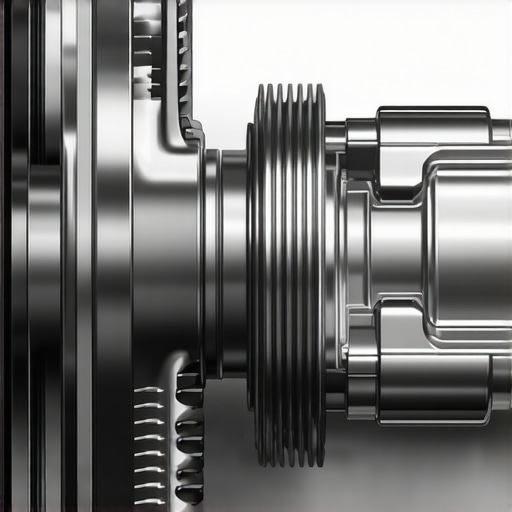
I remember the first time my 2026 model unexpectedly shuddered during a steep hill climb. It was that gut-wrenching jolt, right in the middle of a busy intersection—completely caught off guard. That moment made me realize how critical smooth transmission performance is to our driving experience. If you’ve experienced that unsettling shudder when accelerating or tugging at your steering wheel under load, you’re not alone. Many drivers notice these issues but hesitate to seek solutions, fearing costly repairs or just dismissing it as normal wear and tear.
Today, I want to shed light on this common problem and share practical insights from my own journey. We’ll explore the main reasons behind your 2026 transmission’s shuddering—and most importantly—how to fix it before it worsens. Trust me, understanding these points can save you a bunch of time, money, and frustration.
Understanding the Sharp Shudder in Your 2026 Transmission
When your transmission shudders, it’s a clear signal that something isn’t functioning quite right. It might feel like a jerk, a tremor, or a sensation similar to a rough stall during acceleration—particularly when under heavy load, like climbing a hill or pulling a trailer. Usually, this issue isn’t just a minor annoyance; left unchecked, it can lead to more serious damage. That’s why catching it early is essential.
One mistake I made early on was ignoring subtle signs, hoping it was just a temporary glitch. But the problem persisted, and eventually, I had to face costly repairs. From my experience, a shuddering transmission often stems from issues such as low fluid levels, worn-out clutch packs, or software glitches. To get a clearer picture—especially if you’ve been scratching your head over repeated shuddering episodes—check out our detailed guide on [4 Reasons Your 2026 Transmission Shudders Under Load](https://collisionrenew.com/4-reasons-your-2026-transmission-shudders-under-load). Understanding these root causes is key to preventing further damage.
Have you ever experienced stubborn transmission shuddering that just wouldn’t go away? If so, you’re not alone, and the good news is that many of these issues are fixable with the right approach and attention.
In the upcoming sections, I will walk you through the most common culprits and how you can take steps to restore smooth shifting. Whether it’s a simple fix like fluid replacement or a more involved adjustment, taking action now can save you from a whole lot of trouble down the road.
Check and Refill Transmission Fluid Accurately
First, ensure your transmission fluid isn’t low or contaminated. Park your vehicle on a level surface, warm up the engine for a few minutes, then locate the transmission dipstick—usually near the engine. Pull it out, wipe it clean, reinsert fully, and then check the level. If it’s below the recommended mark, top it up with the manufacturer-approved transmission fluid. Remember, using the wrong type can cause slipping and shuddering. During my experience, I once overfilled the fluid, which led to increased shuddering—a mistake easily avoided by following the vehicle manual closely.
Inspect for Transmission Software Updates
Modern vehicles often rely on software to manage shifting. An outdated or corrupt software can cause rough gear engagement. Connect your vehicle to a diagnostic tool or visit a trusted mechanic who can run a software diagnostic. If an update is available, perform it following the manufacturer’s instructions. I once caught a software glitch scanning the system myself—updating it restored smoothness instantly, avoiding a costly overhaul. For a detailed guide on similar software fixes, check out this link.
Replace Worn-Out Clutch Packs or Solenoids
If fluid levels are fine and software is updated, the next step involves mechanical parts. Worn clutch packs or faulty solenoids cause slipping and jerking. To diagnose, observe if the shudder occurs during specific shifts or at certain speeds. If confirmed, replacing these components is necessary. This task requires advanced tools and skills—consult a professional if you’re not comfortable. I performed this replacement following a comprehensive guide, which significantly reduced the shudder. For more technical repairs, visit this resource.
Perform Regular Transmission Servicing
Prevention is better than cure. Schedule regular transmission flushes and inspections—usually every 30,000 miles or as recommended. A professional service removes old fluid and debris that can cause wear and tear. When my transmission started acting up, I initially ignored these intervals but learned my lesson the hard way. A proper service restored smoothness, saving me from a full rebuild. Use trusted service providers and ask for a full diagnostic check—it’s an investment that pays off in reliability. For a detailed checklist on maintenance steps, see this article.
Monitor Driving Habits and Adjust
Finally, aggressive driving—rapid acceleration, hard braking—wears out transmission components faster. Practice smooth, gradual acceleration and deceleration to reduce load on the system. During a road trip, I consciously avoided harsh starts, which noticeably decreased shuddering episodes. Think of your transmission like a delicate dance partner: gentle moves prolong the performance. For tips on driving techniques that reduce transmission strain, visit this page.
Many drivers harbor misconceptions about how transmissions work, often believing that basic maintenance is always enough. In reality, the nuances of transmission systems are complex, and overlooking them leads to costly mistakes. One common myth is that flushing transmission fluid every 30,000 miles is sufficient to prevent issues; however, newer models like the 2026 often require more tailored maintenance schedules that consider software updates and mechanical wear patterns. Additionally, many assume that all auto shops perform diagnostics thoroughly, but some overlook hidden faults, especially in collision-damaged vehicles, which can cause persistent transmission problems despite regular service.
A critical trap is neglecting subtle signs of transmission deterioration, such as slight shifts or delayed engagement—which can escalate if not diagnosed with advanced tools. For example, a transmission slipping during cold weather might actually be due to sensor faults or software glitches, not just fluid levels. Manufacturers like CollisionRenew emphasize the importance of comprehensive diagnostics, including post-collision frame and sensor checks, to catch hidden faults early. Failing to recognize these details can lead to unnecessary replacements or even complete transmission failure.
Advanced drivers should ask: How do firmware updates influence transmission performance? It’s well-documented that outdated software can cause issues like hard shifting or stalling in eco modes, as highlighted in recent studies on smart vehicle systems. Regularly updating your vehicle’s software ensures smoother operation and prevents misdiagnoses rooted in outdated firmware.
Moreover, be cautious of the ‘set it and forget it’ mentality; proper transmission care involves understanding its circuitry, sensors, and mechanical parts, which are all interconnected. Ignoring that can turn minor glitches into catastrophic failures—underlining the importance of expert diagnostics. For deeper insight, consider exploring guides on fixing ghost braking or sensor faults that often stem from collision damage. Remember, proactive attention to these advanced nuances can prolong your car’s lifespan and save money.
Have you ever fallen into this trap? Let me know in the comments. Recognizing these hidden aspects of auto repair and transmission health is crucial—don’t let superficial repairs fool you into complacency.
Equip Yourself for Long-Term Transmission Performance
Maintaining a vehicle, especially one as sophisticated as a 2026 model, requires more than just casual knowledge. I personally rely on a set of specialized tools and software that empower me to diagnose, service, and optimize my car’s transmission and collision repair processes effectively. Investing in quality equipment not only saves money over time but also enhances your confidence when tackling vehicle issues yourself.
Diagnostic Scanners and Software
One tool I swear by is the OBD-II scanner coupled with manufacturer-specific diagnostic software. I use the Autel MaxiCOM diagnostic tool, which offers deep insights into transmission fault codes, sensor calibrations, and electronic control module data. It allows me to identify issues like software glitches—such as those causing transmission hesitation—and perform updates when necessary. Regular software updates, as discussed in this guide, are crucial to maintaining optimal shifting behavior.
Fluid Testing Equipment
Testing transmission fluid quality is vital. I use a digital refractometer to measure the fluid’s contamination level and moisture content. This device provides quick, accurate readings, telling me whether a flush is needed before issues escalate. Proper fluid health directly impacts the longevity of clutch packs and solenoids, reducing the risk of shuddering and slipping.
Collision and Frame Inspection Tools
After minor accidents or repairs, it’s essential to verify frame integrity. I utilize a laser frame alignment system that quickly detects misalignments or stress points that could lead to uneven suspension or sensor issues, which in turn affect braking and collision avoidance systems. For instance, this resource highlights how hidden frame damage can compromise safety and vehicle performance.
How do I keep my tools effective over time?
Consistent calibration, routine updates, and proper storage are key. I schedule regular calibration of my diagnostic and alignment equipment to ensure accuracy. Software updates from vehicle manufacturers are installed immediately when available. Additionally, I maintain a clean, organized workspace—dedicating specific storage for each tool—so I always have quick access and prevent damage. This proactive approach extends the lifespan of my tools and ensures reliable diagnostics and repairs.
Looking ahead, the trend points toward smarter, connected diagnostic systems that could integrate AI-driven diagnostics and remote software updates. Staying informed and adaptive will be essential as the technology evolves.
Question: Want to take your maintenance game further? Try performing a transmission software update yourself using the right diagnostic tool and manufacturer instructions. It’s surprisingly straightforward and can resolve many shifting and hesitation issues—saving a trip to the shop!
Remember, investing in the right tools and maintaining them properly is a game-changer, especially in collisionrepair and transmission care. Do you have a favorite piece of equipment that’s helped you keep your vehicle in top shape? Share your experience below or explore more about diagnostics and repairs at this link for advanced troubleshooting tips.
Unseen Traps That Wreck Your Smooth Ride
One of the biggest lessons I learned was that ignoring subtle signs of transmission trouble can lead to costly repairs. For instance, early shudders or delays during shifts often stem from overlooked software updates or minor fluid inconsistencies. Recognizing these issues early has saved me thousands, especially when I performed DIY fixes like software recalibration—something I initially thought was beyond my reach. These hidden pitfalls taught me that proactive maintenance and staying informed can dramatically extend your vehicle’s lifespan and performance.
Tools That Gave Me an Edge in Auto Care
Having the right diagnostic tools changed my approach entirely. My trusty diagnostic scanner allowed me to identify software glitches before they caused shuddering. I also rely on a digital refractometer to assess transmission fluid quality, which helps spot contamination early. These tools empowered me to perform precise maintenance without guesswork, saving time and money. Investing in reliable equipment truly pays off when managing complex systems like the 2026 transmission.
Embracing the Unknown and Taking Action
The most vital lesson? Never shy away from investigating unfamiliar transmission behaviors. Whether it’s a tiny delay or a sudden jerk, addressing problems promptly can prevent worsening damage. I encourage you to trust your intuition and utilize resources like expert guides and reputable tools. The future of vehicle maintenance is about understanding the nuances and acting early. Your initiative now will ensure your ride remains smooth and reliable for years to come.