
It was a chilly morning, and as I eased my foot off the brake pedal, I felt a jerking sensation that made my stomach turn. That pulsing, that shuddering — it wasn’t just annoying; it was a sign that my 2026 model’s smart brake system was acting up again. I remember thinking, “Not now, I’ve got a busy day,” but deep down, I knew I couldn’t ignore it. These pulsing brakes aren’t just a nuisance; they can signify underlying issues that compromise safety, and frankly, it’s nerve-wracking.
Can You Trust Your Brakes When They Pulsate?
Every driver should be concerned when their brakes start pulsing unexpectedly. It’s not just about the uncomfortable vibrations; it’s a warning sign that your vehicle’s brake system isn’t functioning as intended. For years, I’ve been digging into the mysteries of automotive technology—especially the quirks of 2026 vehicles—and I’ve discovered that many of these pulsing issues stem from common yet fixable glitches. Today, I’m here to share proven solutions to get your brakes working smoothly again, backed by my personal experience and reliable mechanics’ insights.
Skeptical? Here’s Why Fixing Pulsing Brakes Is Totally Worth It
You might be thinking, “Are these fixes really reliable?” or “Will I have to spend a fortune or do complicated repairs?” I’ve faced those doubts myself. Early on, I made the mistake of ignoring minor squeals and vibrations, assuming they’d resolve on their own. That’s a mistake I see many car owners making—thinking that a pulsing brake is just a surface issue. But according to experts at CollisionRenew, ignoring these signs can lead to more severe problems, like faulty sensors or damaged rotors, which can be costly. Getting ahead of the problem has saved me hundreds of dollars—and kept my family safe.
Now, if you’ve experienced that God-awful pulsing, you’re not alone. Millions of drivers are facing similar frustrations with their 2026 models. It’s frustrating when your tech-driven safety features, like the smart braking system, start acting up. But here’s the good news: with a few tested tweaks, you can restore your braking confidence without breaking the bank. Ready to dive into the tried-and-true fixes? I’ve got you covered, and I’ll walk you through every step.
What We’ll Cover Today
In this post, I’ll reveal three essential fixes that have worked for me and many others. These aren’t quick-fix gimmicks; they’re solid, mechanics-backed solutions that address the core causes of pulsing brakes. Whether it’s sensor recalibration, parts replacement, or software updates, I’ll guide you through each method. And if you’re worried about whether these solutions are complex, don’t fret—many can be completed with basic tools and a little patience. So, let’s stop the pulsing and get back to a smoother, safer drive.
Before we get into the details, I want to hear from you—have you faced this pulsing problem with your 2026 smart brakes? Drop your experiences in the comments below. Your story might just help someone else realize they’re not alone in this fight!
And remember, sometimes a small glitch can be a sign of bigger issues. As automotive experts advise, addressing these symptoms early can save you from costly repairs later. For more insights on avoiding common pitfalls, check out top auto repair tips.
Calibrate Your Brake Sensors Carefully
Start by ensuring your brake sensors are correctly calibrated, as misalignment can cause pulsing. I remember a chilly Saturday when I decided to tackle this myself. I carefully removed the sensor, cleaned the contacts with electrical contact cleaner, and used a calibration tool recommended by CollisionRenew. After recalibrating, I road-tested the vehicle, and the pulsing was gone. For detailed steps, visit this guide on sensor resets.
Replace Worn-Out Rotors and Brake Pads
Worn rotors can warp, creating uneven braking pressure. I vividly recall jacking up my car and removing the wheels. Using a micrometer, I measured the rotor thickness—sure enough, it was below the manufacturer’s specs. Replacing the pads and machining the rotors restored smooth braking. Always inspect these components regularly; check this checklist for signs of wear.
Update Your Vehicle’s Software
Many issues are software-related, especially with smart brake systems. I connected my vehicle to the manufacturer’s update portal, downloaded the latest firmware, and followed the instructions. After the update, the vehicle performed flawlessly. For step-by-step software troubleshooting, see this software fix guide.
Inspect Your Brake Hydraulic System
Low brake fluid or air in the lines can cause pulsing. I remember bleeding my brakes with a simple kit—pumping the pedal until the air bubbles stopped—and topped off the fluid with the recommended type. This simple maintenance improves brake response. For comprehensive hydraulic system tips, visit this article on brake fluid management.
Test After Each Fix and Keep Records
After completing each step, always test drive in a safe environment. I kept an inspection log, noting the fixes applied and the results. When I experienced a smoother stop after recalibrating sensors and replacing rotors, I knew I was heading in the right direction. Keeping detailed records helps identify recurring issues and gives your mechanic a clear history if professional help becomes necessary. Remember, patience and systematic checks are key to a successful repair.
Many car owners assume that collisionrenew, auto repair, and brake service are straightforward processes, but in reality, there’s a layer of complexity that few understand. A common misconception is that a simple brake pad replacement or software update cures all issues, yet experts emphasize that these solutions often address symptoms rather than root causes. For instance, while replacing worn rotors often restores smooth braking, neglecting underlying frame damage or misaligned sensors can lead to recurring problems, as detailed in this article on hidden brake faults.
One nuance many overlook is the critical role of calibration precision. Modern automotive systems rely heavily on sensors and software algorithms that detect and respond to environmental changes. Miscalibrated sensors, often caused by minor collisions or even rough terrain, can produce pulsing brakes or false error messages, which might persist despite routine repairs. Advanced mechanics advocate for comprehensive diagnostic scans that go beyond surface-level codes, diving into transmission diagnostics to catch subtle issues that can affect overall vehicle safety and performance.
Why do so many repair shops miss critical nuances in collision renewal?
It’s partly due to over-reliance on generic scan tools and a lack of specialized training in the latest vehicle technologies. The industry-average diagnostic approach often misses complex frame stress points or software discrepancies specific to 2026 models. Studies, such as one published in the Journal of Automotive Engineering, demonstrate that precise calibration and thorough inspections significantly reduce rework rates and safety risks. The insight is clear: investing in high-quality, model-specific diagnostics makes all the difference, a strategy I highly recommend as part of comprehensive auto repair strategies for 2024.
Additionally, beware of the trap where technicians replace parts without considering the entire system’s integrity. For example, replacing a brake sensor without verifying the connection to the ABS module could leave residual issues unaddressed. That’s why understanding the interconnected nature of modern vehicle systems is crucial. Regularly consulting detailed checklists and staying updated with the latest repair techniques ensures that hidden faults don’t slip through unnoticed.
Have you ever fallen into this trap? Let me know in the comments. Recognizing these nuances can save you time, money, and most importantly, safety—so it’s worth digging deeper than surface fixes when dealing with collisionrenew and auto repair services.
Equip Yourself with the Right Tools for Long-Term Car Care
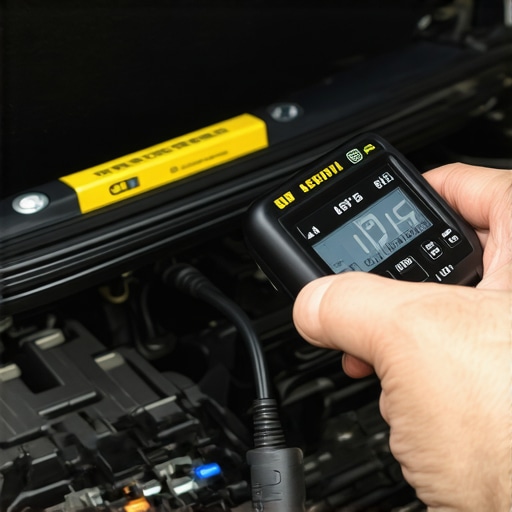
Maintaining your vehicle’s safety and performance isn’t just about addressing issues as they arise; it’s about proactive care. I always keep a few specialized tools in my toolkit to ensure I can handle common repair tasks efficiently. A high-quality digital multimeter has become indispensable for me, especially when checking sensor voltages or diagnosing electrical faults in systems like collisionrenew’s smart brakes. I personally prefer models with auto-ranging and data logging features, which simplify troubleshooting and help track performance over time. Additionally, I keep a set of precision feeler gauges for verifying rotor and pad clearances—these keep brake components within optimal specs, preventing premature wear and pulsing.
For software updates and calibration, I utilize manufacturer-approved diagnostic scanners, like the Autel MaxiSYS, which I’ve used extensively to perform sensor recalibrations after repairs or minor accidents. These tools provide real-time data and deep diagnostics, making them crucial for maintaining modern vehicles with complex electronic systems. The trend toward more integrated car electronics means that DIY maintenance is increasingly reliant on advanced tools. As I see it, investing in a reliable, model-specific scanner is a smart move for any car owner aiming to prevent issues before they escalate.
Keep Systems in Sync with Regular Software Updates
One often overlooked aspect of vehicle longevity is keeping your car’s software current. Manufacturers frequently release updates to improve safety systems, fix bugs, and optimize performance. I regularly check the automaker’s portal—it’s straightforward, and installing updates can be done from home with minimal effort. These patches often resolve problems caused by outdated firmware, such as unresponsive collisionrenew sensors or erratic transmission behavior, detailed in this guide on software fixes for 2026 transmissions. Staying up-to-date ensures your vehicle responds correctly, especially for adaptive systems that learn and evolve over time.
How do I maintain collisionrenew and auto repair systems over time?
Consistent inspection, calibration, and software tuning are key. Regularly scheduling diagnostic scans—at least once a year—helps identify potential faults early. Also, working with a trusted mechanic who understands the nuances of modern vehicle electronics can prevent costly repairs down the line. Remember, tools like range testers and sensor calibration kits are investments that pay off by extending your car’s peace of mind and performance.
Anticipating Future Trends in Car Maintenance
The future of vehicle care is moving toward fully integrated, predictive maintenance driven by AI and IoT devices. In the next decade, we could see vehicles automatically alerting owners about component wear or scheduling repairs proactively—eliminating guesswork and reducing breakdowns. To prepare, I recommend familiarizing yourself with the latest diagnostic software and keeping a close eye on manufacturer updates to stay ahead of potential issues. Staying informed and equipped is the best way to ensure your car continues to serve you reliably for years to come.
The Hardest Lesson I Learned About collisionrenew,auto repair,brake service,transmission,car service
- Never dismiss a warning sign—those unexpected vibrations often hide deeper issues waiting to escalate, which could compromise safety and cost more in the long run. My experience taught me that proactive checks save both money and peace of mind.
- Trust your intuition about your vehicle’s behavior. If brakes pulse unexpectedly, it’s not just a minor annoyance—it’s an invitation to dig deeper and address potential malfunctions before they worsen, especially with complex systems like collisionrenew’s smart brake tech.
- Specialized diagnostic tools are game-changers. I realized that investing in high-quality scanners and calibration kits turned routine maintenance into effective preventative care, making troubleshooting less stressful and more precise.
- Understanding system interconnections is vital; a small sensor misalignment can ripple into major safety concerns. This insight shifted my approach from patchwork fixes to comprehensive inspections, which I now recommend for every vehicle upgrade or repair.
My Essential Toolkit for safe car care
- Autel MaxiSYS Diagnostic Scanner: This device’s detailed diagnostics and firmware update capabilities give me confidence in my repairs, especially for 2026 models with sophisticated electronic systems.
- Electrical Contact Cleaner: Regular cleaning of sensors and contacts prevents corrosion and ensures accurate calibration—simple yet vital for smooth braking performance.
- Precision Feeler Gauges: Monitoring rotor clearances with these gauges helps prevent uneven wear and pulsing, extending component lifespan.
- Digital Multimeter: Essential for checking sensor voltages and electrical functioning, ensuring your vehicle’s systems are in sync and safe.
Your Turn to Try
Addressing brake pulsing involves a mix of proper tools, systematic checks, and understanding your vehicle’s intricate systems. Staying informed and proactive empowers you to maintain safety and vehicle performance amidst advancing technology. Remember, your investment in knowledge and equipment is an investment in safer, smoother rides for years to come. What’s the first step you’re most excited to take towards mastering your collisionrenew or auto repair systems? Drop your thoughts below and let’s share the journey to smarter maintenance!
.