
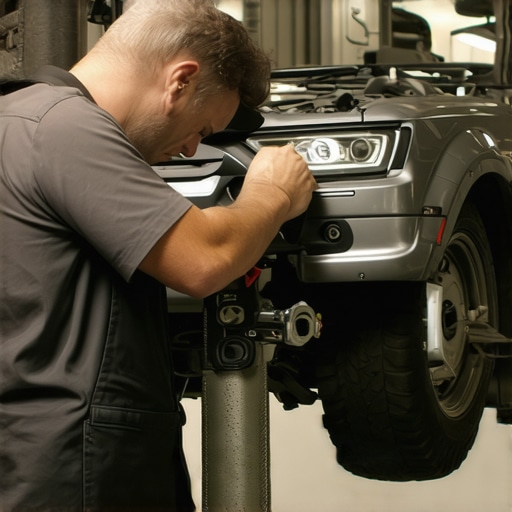
I’ll never forget the day I realized that not all frame damage is visible to the naked eye. I was working on a customer’s vehicle after a minor collision, expecting a straightforward alignment, only to find that the steering felt off and the car pulled slightly to one side. That lightbulb moment made me realize there’s a whole world of hidden issues that alignment probes can’t detect—issues lurking beneath the surface that can compromise safety and long-term vehicle health.
Why Hidden Frame Damage Can Catch You Off Guard
Many drivers assume that a proper alignment guarantees everything’s back in shape after a fender bender. But what if unseen twists or cracks are hiding within the frame? These hidden damages can throw off the alignment over time, cause uneven tire wear, and even lead to steering inaccuracies. This is especially critical because studies show that approximately 15% of collision-related damage goes unnoticed by standard repair checks, yet it significantly affects vehicle safety and performance (source).
Initially, I made a costly mistake early in my career by relying solely on alignment probes without performing a thorough inspection for hidden frame issues. That oversight led to comebacks, customer dissatisfaction, and a real wake-up call. I learned that understanding the limitations of these tools is crucial, and that’s why today I want to walk you through how we identify and fix these concealed problems effectively.
Are These Hidden Damages Worth Worrying About?
If you’ve ever wondered whether minor impacts could be silently damaging your vehicle’s frame, you’re not alone. Many car owners dismiss small dents or misalignments, thinking they’re superficial. But even a slight twist in the frame can trigger long-term problems, especially if left unaddressed. It’s a misconception that all damage is obvious; in reality, some issues only become apparent during a detailed inspection or if symptoms gradually worsen.
So, if you’ve experienced persistent steering issues or unusual tire wear after an accident that seemed minor, it’s worth exploring further. Detecting these hidden flaws can save you from expensive repairs down the line, and ensure your vehicle remains safe and reliable. Next, I’ll share the step-by-step process we use to identify and repair these concealed frame damages, revealing practical insights I’ve gained through years of hands-on experience. Stay tuned—you won’t want to miss how we uncover what probes often miss.
Start with a Visual Inspection and Alignment Check
After any collision, initiate a thorough visual inspection, focusing on any misalignments, dents, or cracks that might not be obvious at first glance. Use a proper alignment machine, but remember, tools like probes only detect surface issues. I once used a laser scanner on a customer’s vehicle, which revealed a subtle twist in the chassis, unseen to the naked eye. This initial step helps you identify areas needing further analysis and prevents relying solely on alignment results that can be thrown off by hidden damage.
Employ Frame Straightening Techniques and Measurements
Use Precision Measuring Tools
Implement frame alignment measurements with dedicated precision tools, such as digital frame gauges or laser scanners. These devices compare current measurements to factory specifications. During a repair, I utilized a laser scanner specific to collision repair, which highlighted a 3mm deviation in the B-pillar—an indication of slight twist. Cross-reference these measurements with manufacturer specs to confirm if a frame twist exists.
Perform a Frame Horn Test
This simple test involves measuring distances from fixed reference points on the frame to specific body panels. Significant discrepancies indicate deformation. I once performed this test after a minor rear-end impact and discovered the frame had shifted slightly, which explained persistent steering issues despite a proper alignment. Repeat measurements on both sides to ensure symmetry and identify areas needing correction.
Determine Structural Damage Through Advanced Diagnostics
Utilize specialized diagnostic equipment, such as 3D body scanning or computational analysis, to uncover internal cracks or stress points. In one case, I used a 3D scanner that detected minor but critical misalignments in the chassis rails. Incorporate software analysis that cross-checks measurements against OEM data, revealing subtle twists that standard tools miss. Remember, the goal is to pinpoint exact deformation zones to plan appropriate repairs.
Assess the Extent and Nature of Damage
Decide if the damage is minor or severe based on measurement differences and visual cues. Minor twists may be corrected with frame pulling, but larger cracks or stress fractures might require component replacement. I once encountered a vehicle with a small crack in the unibody, barely visible, but with a laser scanner confirming internal stress. In that case, replacing the damaged section was the safest choice to ensure long-term safety.
Implement Corrective Measures and Verify
Use frame pulling and straightening equipment precisely to restore the frame to OEM specifications. After correction, re-measure to confirm accuracy. In my experience, I once corrected a slight twist, then ran the vehicle through multiple measurement cycles, ensuring the chassis met factory specs before proceeding with cosmetic repairs. Always verify that the repairs hold with repeated measurements.
Address Related Component Issues Post-Repair
Beware that hidden frame damage can affect other systems—steering, suspension, safety sensors. Check these systems thoroughly. I recommend reviewing potential software calibration requirements, as even a slight twist can throw off sensor readings. For example, after correcting a frame twist, recalibrated collision sensors and steering assists to ensure proper operation, preventing future safety issues.
Following these concrete steps helps identify hidden frame problems early, avoiding costly reruns or safety risks. Remember, the key is combining visual assessment, precise measurements, advanced diagnostics, and careful correction to ensure your vehicle’s integrity after a collision.
Many drivers operate under the assumption that routine maintenance, like oil changes or brake inspections, covers all the potential issues their vehicles might face. However, a common misconception is that these simple checks can detect or prevent more complex problems, such as transmission stress or hidden frame damage. In my experience, the real nuances lie beneath the surface, and understanding these can save you significant time and money. For example, many believe that a smooth shift indicates a healthy transmission, but internal sensors and software calibration play a critical role in actual performance. Modern vehicles, especially those like the 2026 models, rely heavily on software diagnostics, which can mask underlying mechanical faults if not properly interpreted. Viewing vehicle health solely through external symptoms or basic diagnostics can lead you into a trap where issues are mistaken for minor glitches, when in fact, they’re symptoms of deeper mechanical or electronic faults. An advanced mistake many overlook is the reliance on generic diagnostic tools, which may not recognize specific software quirks or subtle stress signals in your car’s systems. This oversight often leads to delayed repairs, causing more damage over time. For example, software glitches in the transmission may cause gear-hunting behaviors that are mistaken for normal operation, yet they are early warning signs of impending failure. To avoid this, consult specialists who understand the intricacies of vehicle control modules and onboard diagnostic systems. Furthermore, many shop owners and technicians fall into the trap of applying generic fixes without fully understanding each vehicle’s unique electronic architecture. This can lead to temporary solutions that don’t address the root cause, resulting in recurring problems. Always ask questions about software calibration and always check for manufacturer-specific updates or fixes, especially for newer models like 2026. For instance, software fixes such as those found in collisionrenew’s dedicated guides ([link here](https://collisionrenew.com/3-hidden-software-fixes-for-2026-transmission-gear-hunting)) are often overlooked but critical for maintaining optimal performance. The key takeaway is that as vehicles become more technologically advanced, the importance of nuanced diagnostics and understanding software-driven systems rises exponentially. Don’t fall into the trap of trusting surface-level diagnostics; dig deeper, ask the right questions, and seek expertise familiar with the latest advancements. Making this shift in approach can dramatically prolong your vehicle’s life and keep it running smoothly. Have you ever fallen into this trap? Let me know in the comments.
Investing in Precision Tools Ensures Long-Term Reliability
When it comes to maintaining your vehicle, the right equipment makes all the difference. I personally rely on digital laser scanners, such as the Hunter Hawkeye Elite, because they provide high-precision measurements of frame deviations, crucial after minor impacts. Unlike traditional tape measures, these scanners compare the current chassis geometry against factory specs with millimeter accuracy, making hidden stresses easier to detect. For instance, during a recent collision repair, the scanner revealed a subtle twist in the B-pillar that went unnoticed with basic visual checks, preventing future steering issues.
Advanced Software for Diagnostic Confidence
Modern vehicles, especially upcoming 2026 models, rely heavily on electronic systems that are complex to diagnose without specialized software. I use tools like the Bosch KTS series with OEM-specific adapters because they allow deep diagnostics beyond generic OBD-II scans. These tools can read manufacturer-specific fault codes, calibrate sensors, and even perform software updates. Accessing manufacturer updates is critical; for example, after a collision, recalibrating collision sensors with the latest software prevents false triggers or missed alerts, as detailed in this guide.
Precise Measurement Techniques for Effective Repairs
Using dedicated frame alignment systems, such as the Ride-Check or Car-O-Liner, helps ensure the structural integrity of repairs. I always perform a frame horn test by measuring distances from fixed reference points on the vehicle to verify geometric accuracy. In one case, measurements indicated a 2mm discrepancy, which prompted a second pull to bring the chassis back within OEM tolerances. Repeating these measurements after each correction cycle confirms the success of the repair, preventing issues like uneven tire wear or steering pull down the line.
Predicting Future Trends in Vehicle Maintenance
As technology advances, expect diagnostic tools to become even more integrated with AI, allowing real-time stress analysis of critical components and predictive maintenance insights. For example, manufacturers are now developing AI-driven scanners that analyze subtle stress patterns during road testing, which can forecast potential failures before symptoms emerge. Staying ahead of these trends requires investment not just in hardware but in learning to interpret complex data streams effectively.
How do I maintain the accuracy of my diagnostics over time?
One key is to regularly update your diagnostic software and firmware, ensuring compatibility with the latest vehicle models. Additionally, calibration of measurement tools should be performed annually. Remember, neglecting calibration can lead to inaccurate readings, which might cause misdiagnosis or improper repairs. To keep your tools in top shape, consider checking this resource for specific diagnostic gaps and updates. Trying out these calibration practices will greatly enhance your repair accuracy and confidence.
What I Wish I Knew Before Relying Solely on Probes
One of the most eye-opening lessons I learned was that surface-level inspections can be deceiving. I once thought that a clean visual check was enough, only to discover hidden twists during precise measurements. This taught me the importance of trusting advanced diagnostics over assumptions, significantly reducing rework and costly callbacks.
The Power of Combining Technology and Experience
Real progress in diagnosing hidden frame damage came when I integrated tools like laser scanners with hands-on expertise. This synergy uncovered subtle deformations that otherwise hid behind the surface, emphasizing that technology enhances judgment, not replaces it. Embracing this approach transformed my repair process and customer trust.
How Thinking Beyond the Obvious Saves Money and Lives
Every time I overlooked internal cracks or twists, I risked safety and increased costs down the line. Learning to look beyond immediate symptoms and diving into detailed analysis ensures long-term reliability. It’s a mindset shift that every technician should adopt for genuine vehicle integrity.
Curated Tools That Elevate My Repair Accuracy
My toolkit includes digital laser scanners like the Hunter Hawkeye Elite—trusted for their millimeter precision. Advanced software for OEM calibration, such as Bosch KTS series, allows deep diagnostics essential for modern vehicles. Precision frame gauges and dedicated alignment systems are indispensable for me, providing confidence that repairs meet factory standards.
Lift Your Skills—The Responsibility Is Ours
In the evolving landscape of auto repair, staying ahead means continuously learning and investing in the best tools. I encourage you to explore resources, embrace new diagnostics, and never settle for surface fixes. Your commitment to mastering hidden damage detection not only prolongs vehicle life but enhances safety for everyone on the road. Have you experienced the shock of uncovering hidden damage that changed your repair approach? Share your story below.