
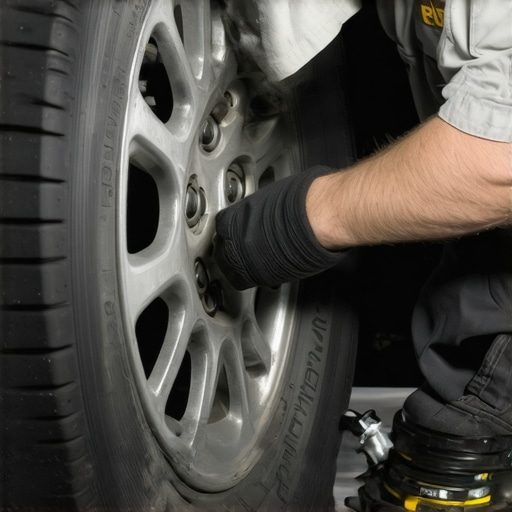
It was late afternoon when I first heard that unsettling growling coming from my car while turning into my driveway. At first, I brushed it off as just a rough patch on the road, but the noise persisted and grew louder with each turn. It hit me—something was seriously wrong. That lightbulb moment made me realize that ignoring subtle car noises could lead to costly repairs or dangerous breakdowns. Ever been there? If so, you’re not alone.
Why Spotting a Bad Wheel Bearing Early Matters
A failing wheel bearing might seem like a minor issue at first, but it can quickly escalate into a dangerous problem on the road. When a wheel bearing starts to fail, it can cause uneven tire wear, steering problems, and even wheel detachment in the worst cases. The key is catching these signs early, long before a dangerous failure happens—and trusting your instincts and detection skills can save you from costly repairs or accidents.
Am I Overthinking That Noise? Here’s the Truth
One mistake I made early on was dismissing the occasional strange noise as just normal aging or road noise. That was a mistake. According to the Car Care Council, ignoring early warning signs like humming noises or wobbling wheels can lead to complete bearing failure, which might require expensive replacements or even cause accidents (source). Being attentive to your vehicle’s signals isn’t just smart—it’s essential for safety.
Have you experienced a strange noise or vibration that you couldn’t explain? Recognizing these signs early can prevent that sudden breakdown on the highway, or worse, an accident. In the next sections, we’ll explore how to identify the key indicators of a failing wheel bearing and what steps you should take to diagnose and address the problem—so you’re not left guessing when it’s already too late.
Inspect How the Wheel Spins
Start by jacking up your vehicle securely and spinning the suspect wheel manually. Listen for any grinding noises or roughness, which are clear indicators of bearing issues. I once used a wooden dowel pressed against the wheel to amplify noises, making detection easier. This simple test helps you determine if the bearing is the culprit before taking further steps.
Check for Excessive Play
Hold the wheel at 12 and 6 o’clock positions and jiggle it gently. If you notice lateral movement, it’s a sign the bearing is worn out. I experienced this firsthand when I could wiggle my front driver-side wheel just a bit more than it should, prompting me to replace the bearing right away to avoid uneven tire wear.
Listen for Clunking or Growling
Drive the vehicle slowly and listen for noises originating from the wheel area. A harsh growling or humming noise while turning indicates a bad bearing. One time, a faint growl progressively worsened, which I initially ignored, leading to a much costlier repair later. Early detection is key to saving money and ensuring safety.
Test Under Load Conditions
With the vehicle on a lift or safely supported, gently rotate the wheel with your hand while observing its smoothness. If resistance feels uneven or you sense roughness, there’s an underlying issue. This method is akin to feeling the resistance through a car’s suspension system, ensuring you’re not misdiagnosing unrelated problems like worn-out tires or brake issues.
Compare Symptoms with Common Causes
If these tests point toward bearing failure, rule out other possibilities like misaligned wheels or tire imbalance, which can mimic similar symptoms. For example, if your car vibrates at a specific speed, it might be an imbalance rather than a bearing problem. Cross-checking with online guides or expert advice, such as detailed procedures on collisionrenew.com, helps refine diagnosis.
 Many car owners believe that brake pads are the sole component responsible for stopping performance, but the truth is much more nuanced; often, overlooked factors like hydraulic system integrity or rotor conditions play a critical role in effective braking. Additionally, there’s a widespread myth that every auto repair shop guarantees lifetime fixes, yet, in reality, understanding the proper maintenance intervals and fluid health—such as checking brake fluid levels regularly—can prevent premature system failure. An advanced tip: many drivers don’t realize that misdiagnosing transmission issues as simple slipping can lead to unnecessary replacements; for complex cases, tools like gearbox fluid checks reveal hidden problems before costly repairs occur. Have you ever fallen into this trap? Let me know in the comments. It’s tempting to rely solely on visual inspections, but internal component wear—like a warped rotor or contaminated transmission fluid—demands a deeper diagnostic approach. For instance, some believe that noise from the brakes always indicates pad wear; however, issues like caliper sticking or damaged sensors can produce similar symptoms, leading to misattribution and missing the real problem. Staying ahead requires understanding that vibrations at specific speeds can point to hidden frame or alignment issues, not just wheel balance. Many car owners overlook the importance of including digital diagnostics, which can uncover software glitches affecting transmission shifting patterns—like gear hunting—before hardware replacement is needed. Remember, a holistic understanding of your vehicle’s systems, supported by regular inspections and knowledge of nuanced signs, is key to saving money and ensuring safety. For an in-depth exploration, tools like hidden frame damage repairs emphasize how unseen issues impact overall performance. Don’t fall for the trap of superficial fixes—your vehicle’s longevity depends on it.Maintaining your vehicle’s health over the long term requires more than just basic knowledge; it demands the right equipment and precise methods. Investing in quality tools can save you money, prevent further damage, and extend your car’s lifespan. One staple I personally rely on is a high-precision dial indicator for checking wheel runout and rotor flatness, which is crucial when addressing brake issues. For example, when diagnosing a brake pulsation, I use a dial indicator to measure rotor warping accurately, ensuring I replace or resurface only what’s necessary and avoid premature pad wear.
Similarly, a digital multimeter is indispensable for verifying sensor signals and wiring integrity, especially when dealing with complex transmission or engine sensor faults. I recommend models with auto-ranging and data logging features, like the Fluke 115, because they allow you to capture fleeting issues that traditional meters might miss. Regularly checking battery voltage and sensor continuity with a multimeter helps prevent unexpected failures, keeping your maintenance routine thorough and effective.
Advanced diagnostics have become increasingly accessible through software solutions; I personally favor OBD-II scanners such as the Autel Maxisys series, which connect wirelessly to my smartphone. These tools provide real-time data and deep system analysis, enabling me to identify and interpret error codes rapidly. For instance, when experiencing transmission hesitations, I use the scanner to monitor adaptive shift data, helping me pinpoint calibration issues before they escalate into costly repairs. This proactive approach is aligned with industry best practices, like those outlined by experts at CollisionRenew, emphasizing early detection and precise diagnosis.
Looking ahead, the trend is shifting towards integrated diagnostic systems that combine hardware and AI-driven feedback, making auto maintenance more accessible and reliable for DIY enthusiasts and professionals alike. Staying updated with such advancements can give you a significant advantage in maintaining your vehicle effectively.
How do I maintain my vehicle’s systems over time? Consistent use of diagnostic tools for periodic checks, such as inspecting transmission fluid health with quick tests or verifying the alignment of crucial sensors, ensures ongoing performance and safety. For example, routinely performing a 5-minute gearbox fluid check helps detect early signs of wear, preventing 2026 model issues from becoming major problems. Embrace these tools and methods, and you’ll keep your car running smoothly for years to come.
Lessons I Learned from Overlooking Minor Noises
- Trust your instincts: Small noises can signify big problems—that’s a lesson I learned the hard way when my front wheel bearing failed unexpectedly.
- Routine checks save money: Regular inspections, like spin tests and load assessments, can catch issues before costly repairs. I now make a habit of quick visual and tactile checks every few months.
- Use the right tools: Investing in quality diagnostic tools like a dial indicator or an OBD-II scanner has been invaluable in pinpointing problems early and avoiding guesswork.
- Stay informed: Reading expert guides and reputable blogs helps me recognize subtle signs, such as uneven tire wear or steering wobble, that indicate a bearing problem is brewing.
- Don’t dismiss odd behaviors: Even minor vibrations or noises warrant attention. Ignoring these can lead to complete bearing failure and roadside hazards.
My Favorite Resources for Preventing Brake and Suspension Problems
- CollisionRenew’s Detailed Guides: Their in-depth articles on fixing hidden frame damage and diagnosing sensor issues have improved my understanding of vehicle health significantly.
- Autel Maxisys Diagnostic Scanner: This tool provides real-time system data and error codes, helping me catch issues like transmission slippage or brake sensor faults early.
- High-Quality Hand Tools: A precision dial indicator and a digital multimeter have become staples in my toolkit, allowing me to confidently diagnose wheel alignment and electrical faults.
- Trusted Automotive Forums and Blogs: Communities and blogs focused on auto repair, especially those discussing wheel bearings and suspension, offer advice that’s both practical and tested in the field.
Don’t Wait for the Next Warning Light
In the world of auto repair, awareness and proactive maintenance aren’t just optional—they’re essential. Your vehicle’s life expectancy and your safety depend on catching tiny warning signs before they turn into expensive repairs or dangerous breakdowns. Embrace the knowledge, invest in the right tools, and stay vigilant—your car will thank you for it. How have you managed to catch early signs of vehicle trouble? Share your strategies or ask questions below—let’s keep our rides safe and smooth.
Comments are closed.