
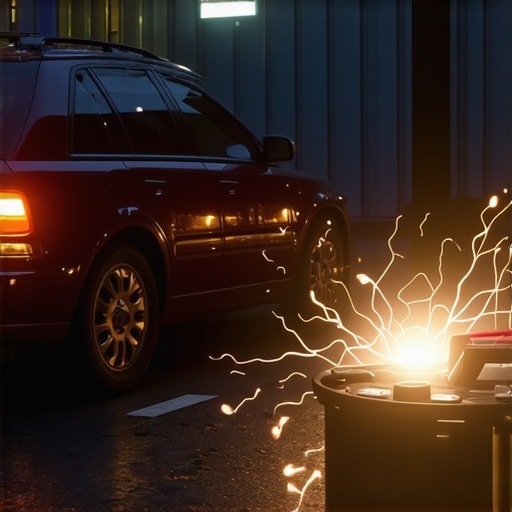
I remember the morning vividly: I tried to roll down my car windows after a long day, only to be met with stubborn silence. Nothing moved. Turns out, that dead battery was silently sabotaging more than just my ability to cool off—it was also messing with my windows. That lightbulb moment made me realize just how interconnected our car systems are—and how a simple dead battery can cause unexpected headaches.
The Surprising Link Between Your Battery and Your Windows
Many drivers don’t realize that when their car battery is on its last legs, it doesn’t just affect the ignition or the dashboard lights. In fact, your power windows rely heavily on the battery’s health. A weak or dead battery can lead to malfunctioning windows, especially in vehicles with complex electronic control modules. This isn’t just a nuisance—it’s a safety issue. Imagine trying to quickly roll up a window during a sudden downpour or an emergency, only to find it stuck. That moment of frustration could have been avoided with some simple knowledge about how your battery impacts your door electronics.
Is It Just a Weak Battery or Something More Serious?
Initially, I thought my window motor was broken, and I was ready to shell out for repairs. But after some digging, I learned that many auto issues, including stuck windows, are often tied to a failing battery or poor electrical connections. Early on, I overlooked this and wasted time replacing components that weren’t the root cause. How many times have you ignored the battery warning light or assumed it’s a minor glitch? Recognizing the importance of battery health can save you time and money, and prevent unforeseen breakdowns. If you’re curious about other hidden car issues, check out this article on why your interior lights dim when you step on the gas.
So, today, we’re going to unravel how exactly a dead battery can cause your automatic windows to malfunction—and what you can do about it. Keep reading, because understanding this connection might just save you a future headache.
Test the Battery Before Diving into Repairs
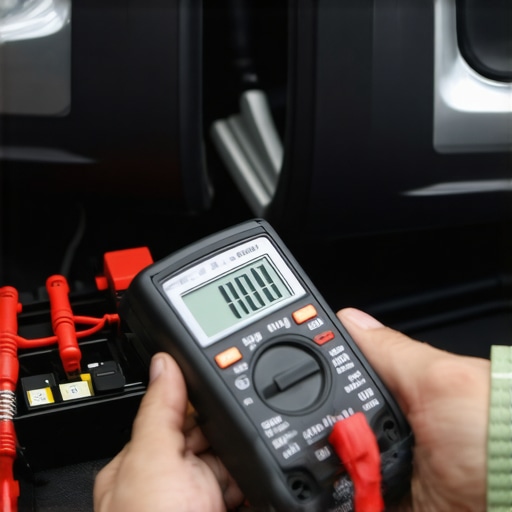
During my own experience, I started by inspecting the battery voltage with a multimeter, ensuring it was below the recommended 12.6 volts. This simple step revealed the core issue, saving me from unnecessary parts replacement. Use a multimeter to check your battery’s voltage, and if it’s below 12.4 volts, it’s time to consider replacing or charging the battery.
Charge or Replace the Battery
If your battery is dead or weak, attempt a recharge with a jump starter or charger. Connect the charger correctly — positive to positive, negative to negative — and monitor the process. I once recharged a nearly dead battery overnight, but if it fails to hold a charge after multiple attempts, a replacement is necessary. For a quick fix, replacing the battery can restore full electronic functionality, including power windows.
Verify Electrical Connections and Fuses
Next, I examined the fuses related to the power windows, often located in the fuse box under the hood or inside the cabin. Use the vehicle manual to identify the correct fuse and inspect it for a blown filament. Replacing blown fuses is straightforward and can resolve issues caused by power interruptions. Remember, a blown fuse might indicate underlying electrical problems, so check the wiring for corrosion or loose contacts.
Inspect the Wiring Harness for Damage
Looking closer, I gently inspected accessible wiring harnesses connected to the power window system. Cracked or frayed wires can cause intermittent or complete window failure. When I found damaged insulation, I used electrical tape for temporary fixes, but a professional splice or replacing damaged cables was necessary for a long-term solution. Damaged wiring could also cause dim interior lights, so consider checking both systems to save time.
Clean Battery Terminals for Better Conductivity
Corrosion on battery terminals impairs electrical flow, similar to clogged arteries blocking blood. Using a brush and a mixture of baking soda and water, I cleaned the terminals, which improved current flow. This simple step often restores power to electronic components like windows without replacing parts.
Test the Power Windows After Repairs
After completing these steps, I pressed the window switch multiple times to ensure proper operation. If windows still don’t function, I moved on to check the window motor and switches directly, possibly requiring replacement or professional diagnosis. Regularly servicing your battery and electrical system prevents these issues from recurring, much like the importance of routine maintenance to keep your car running smoothly.
For more advanced diagnostics, specialized tools might be needed, but many common problems like dead batteries or blown fuses are easy to resolve with basic knowledge. Remember, a healthy electrical system not only keeps your windows operational but ensures your dashboard lights stay bright, and your vehicle functions safely and reliably.
< }
}
Many car owners subscribe to misconceptions about brake service, transmissions, and general auto repairs that can lead to costly mistakes. One prevalent myth is that reducing brake pad replacement intervals is unnecessary if brakes seem to work fine. In reality, benefits of timely maintenance extend beyond stopping power, including preventing damage to rotors and calipers, which can escalate repair costs. Overlooking nuanced signs like subtle vibrations or unusual noises might seem harmless, but these are often early warnings of impending failures, especially in your brake system. Recognizing these signs early ensures safety and saves money.
Why do some drivers think all auto repairs are equal—are premium parts really worth it?
In my experience, many assume cheaper parts and DIY fixes are sufficient, but experts warn that quality components and professional diagnostics dramatically reduce the risk of repair failure. For instance, using high-quality transmission fluid, as advised by industry leaders, can extend transmission lifespan and prevent slips or overheating. It’s also worth noting that many common assumptions ignore science-backed insights—like studies showing that neglecting small leaks in your braking system can cause catastrophic failure. More info on this can be found in articles explaining why your brake pedal feels spongy or hard in the morning.
Another trap is underestimating the importance of software updates and calibration in modern vehicles. For example, advanced systems like adaptive cruise control or collision avoidance rely heavily on precise sensor calibration, and neglecting this can cause false alarms or system failures. Routine inspections that include software diagnostics—beyond just physical parts—are now essential. Don’t forget, your vehicle’s electronic control modules are integral to safety-critical functions such as ABS and traction control; therefore, ignoring software health can be equally damaging as neglecting mechanical issues.
Furthermore, many drivers overlook the importance of electrical connections in their safety systems. Corrosion or loose wiring in your brake sensors or transmission control unit can cause erratic behavior, a trap many fall into without realizing the depth of modern diagnostics. Regularly inspecting and cleaning critical contacts, as well as fuses and relays, ensures reliable operation. For instance, failed sensors might mislead your vehicle’s diagnostics, leading you to unnecessary repairs. If you’d like to learn more about sensor calibration or electrical system health, check out our detailed guide on how to fix a rattling heat shield or troubleshoot common wiring issues.
In essence, the most critical nuance is understanding that modern vehicles are complex systems where mechanical parts, electronics, and software intertwine. The difference between a quick fix and a long-term solution often lies in recognizing subtle signs, using quality parts, and employing professional diagnostics. As vehicle technology advances—especially with AI-driven systems—the value of expertise and nuanced understanding becomes even more vital. So next time you hear a strange noise or notice a change in your car’s behavior, consider whether you’re falling for a common myth or addressing the real root cause. Have you ever fallen into this trap? Let me know in the comments.
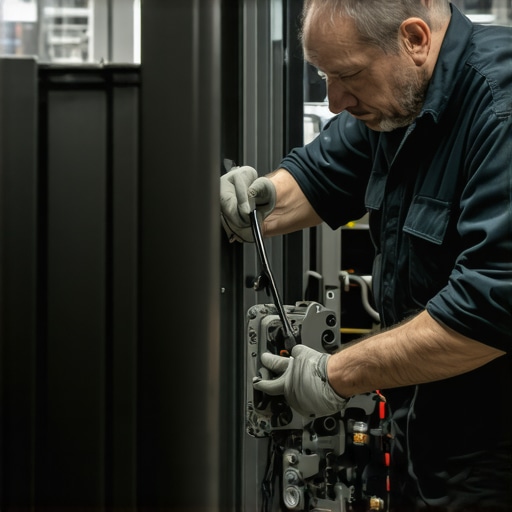
Invest in Quality Diagnostic Equipment
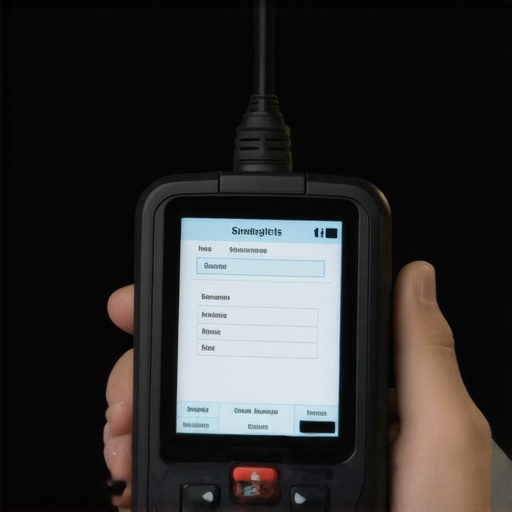
To ensure your car stays in top shape, I rely heavily on a high-quality OBD-II scanner like the BlueDriver. This tool provides comprehensive diagnostics, including live data streams and advanced code analyses, which are invaluable for catching issues early. Unlike generic scanners, BlueDriver allows me to read manufacturer-specific codes, giving a nuanced understanding of complex systems like your transmission or collision sensors. Regularly using such a device helps me identify minor anomalies before they escalate, saving time and expensive repairs.
Leverage Reliable Software and Apps
Managing your vehicle’s maintenance schedule can be simplified with apps like MyCarFax or AutoMate. I prefer these platforms because they sync with your vehicle’s diagnostic data, reminding you of crucial intervals such as fluid changes, filter replacements, or software updates. Staying proactive with maintenance extends the longevity of critical systems like the transmission, preventing issues such as gear hunting or slipping, and ensures your vehicle remains reliable for years to come.
Use Precision Tools for Routine Checks
When inspecting components like brakes or suspension, I trust tools such as digital calipers and magnetic torque wrenches. Accurate torque settings—especially for calipers or wheel bearings—are vital; for example, over-tightening a brake rotor bolt can cause warping and uneven wear. Employing these tools ensures specifications are met precisely, which is crucial when working on essential systems that influence safety and performance. I’ve seen how small adjustments can extend part life and improve overall handling, especially in systems like your anti-lock braking or power steering.
Maintain Your Battery and Electrical System
Routine checks of your battery with a multimeter, coupled with a good cleaning procedure, can prevent a cascade of electrical issues. I recommend inspecting terminals for corrosion monthly and using a dielectric spray for protection. Additionally, investing in a smart battery maintainer like the NOCO Genius prevents from deep discharges if your vehicle is parked for extended periods. Maintaining electrical health supports everything from interior lights to collision sensors, ensuring your vehicle’s electronic systems operate seamlessly.
Plan for Future Technology Integration
Modern vehicles increasingly depend on software updates and sensor calibrations, making it wise to incorporate tools that support these tasks. For example, I use the Autel MaxiSys tablet, which enables me to perform calibration procedures for collision sensors and transmission modules. As discussed in expert articles, keeping software updated and calibrated ensures systems work harmoniously, preventing issues like gear hunting or false collision alerts. Embracing these advancements will be essential as vehicle technology evolves.
How do I maintain my car’s systems over time?
Developing a consistent maintenance routine that includes using diagnostic tools, reputable software, and precise manual checks can dramatically extend your vehicle’s lifespan. Starting with a quality OBD-II scanner to monitor early warning signs, and integrating advanced calibration tools, prepares you for long-term success. For example, regularly diagnosing your transmission for signs of overheating or software glitches, as described here, can prevent costly repairs down the line. Implementing these practices now positions you to catch problems early, saving both time and money.
To make your maintenance more effective, I highly recommend trying out the BlueDriver scanner for a comprehensive overview of your vehicle’s health. It’s an investment that pays off by enabling you to take control of your auto care, much like the professional tools I use daily. Remember, the key to longevity is proactive attention—so start integrating these tools into your routine today!
< >
>
Proper maintenance and the right tools are essential for keeping your vehicle in peak condition. With advancements in diagnostics and software, staying ahead of issues tends to be more straightforward than ever. Ready to elevate your car care game? Consider trying a professional-grade diagnostic tool like the BlauDriver — it’s a game-changer.
Lessons That Car Parts Won’t Tell You
- I used to think that only major repairs could cause electrical glitches, but I now realize that neglecting simple maintenance like battery health can leave me stranded, especially with stuck windows or dim interior lights.
- My biggest lightbulb moment was understanding that a weak battery doesn’t just prevent starting the engine—it subtly impacts many electronic systems, revealing the importance of regular checks before issues escalate.
- I’ve learned that trusting my vehicle’s warning signs, such as fading dash lights or sluggish power accessories, can save me money, time, and frustration—recognizing the unseen connections in my car’s electrical system is key.
My Toolbox for Car Electrical Wisdom
- BlueDriver OBD-II Scanner: I rely on this device because it provides in-depth diagnostics, helping me identify electrical problems early and avoid unnecessary repairs.
- Multimeter: Essential for checking battery voltage and ensuring my electrical system is in top shape, this tool empowers me to make informed maintenance decisions myself.
- Car Maintenance Apps: Apps like MyCarFax remind me of upcoming service needs and help track my battery’s performance over time, keeping me proactive rather than reactive.
- Quality Electrical Wires and Fuses: Using high-grade components ensures longevity and reduces the risk of sudden failures, especially in delicate areas like power windows and lighting circuits.
Your Next Step Towards Peace of Mind
Remember, understanding the nuanced relationship between your car battery and electronic systems isn’t just tech talk—it’s a practical way to ensure safety, save money, and enjoy hassle-free drives. By taking small, informed steps today, you can prevent larger issues tomorrow. Your vehicle has more secrets than you realize—are you ready to uncover them and drive confidently into the future? If you’ve ever experienced stubborn windows or electrical gremlins, share your story below. Let’s learn from each other and keep our cars running smoothly.