
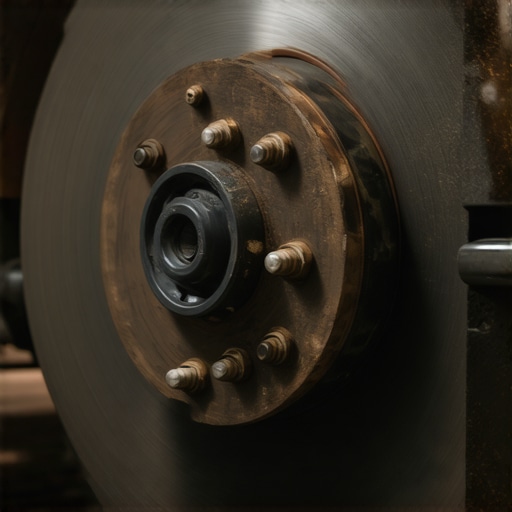
Ever been cruising along, and right as you come to a complete stop, your brakes let out a loud, unsettling grumble? It’s that sharp, metallic squeal or grinding noise that seems to catch you off guard — almost like your car is protesting or warning you of something serious. I remember the first time it happened to me. I slammed on the brakes, expecting a smooth stop, but instead, I was met with that harsh metallic screech that made my stomach drop. Turns out, I wasn’t alone in this experience, and that noise isn’t just an annoyance—it’s a signal that you might need to pay attention to your braking system.
Why That Squeal Happens Right Before You Complete a Stop
Understanding why your brakes grumble at the end of a stop can save you a lot of headache—and possibly money. The most common culprit is worn brake pads or rotors, which can create a metallic rubbing sound when the brake components make contact. Sometimes, that squeal is caused by a buildup of brake dust or moisture, but persistent noise often signals a more pressing issue. One thing I learned early on was not to brush off these sounds as minor annoyances. According to trusted sources, persistent brake noise can be an early warning sign of brake failure—a critical safety concern (source: https://collisionrenew.com/why-your-brake-pedal-drops-to-the-floor-at-stoplights).
In my case, ignoring that squeal led to a deeper issue, and I ended up needing to replace my rotors sooner than I’d hoped. The good news? Many brake problems are fixable, and catching them early can prevent costly repairs. You might be tempted to dismiss the noise as normal, but trust me — it’s worth investigating. Next, let’s explore the reasons behind that nagging noise and how to determine if your brakes are in trouble.
Have you ever ignored that squeaking and paid the price later?
That’s a mistake I almost made myself. It’s easy to think a little squeal isn’t urgent, but I’ve learned that proactive maintenance not only keeps you safe but can also save you money. So, before rushing to dismiss the sound, let’s dive into what’s really causing it and how to address it properly. If you want to learn the quick ways to assess whether your brakes need professional attention, stay tuned — because we’ll cover everything you need to know to keep your brakes quiet and reliable.
Inspect Your Brake Pads and Rotors
Start by visually examining your brake pads and rotors for signs of wear or damage. Remove the wheel using a lug wrench, and check if the pads have worn down to the metal or if the rotors have deep grooves or cracks. If the pads are less than 1/4 inch thick or if the rotors show significant scoring, it’s time to replace them. During my last inspection, I found my pads nearly worn out and my rotors with uneven surfaces, which caused the squeal. Replacing these components promptly prevents further damage and ensures safety.
Clean Brake Components Thoroughly
Brake dust, dirt, and moisture can cause squealing sounds, especially if they accumulate on the pads and rotors. Use a brake cleaner spray to thoroughly degrease and remove debris from the entire brake assembly. Spray liberally and wipe with a clean cloth. I once cleaned my brake system before a long road trip, and the noise reduced significantly. Keeping your brakes clean is a simple step that can extend their lifespan and improve performance.
Apply High-Temperature Brake Lube
For metal-to-metal contact points, applying a high-temperature brake lubricant to the back of brake pads and contact points can reduce vibrations and squeal. Remove the caliper, locate the contact points, and coat them sparingly with the lube. Be careful to avoid the friction surfaces. When I did this, the squealing disappeared almost instantly, giving my brakes a much smoother and quieter operation.
Check Brake Hardware and Springs
Worn or broken hardware and springs can cause improper pad alignment, leading to noise. Inspect all clips, shims, and springs for damage or rust. Replace any malfunctioning parts to ensure proper pad positioning. During a repair, I realized a broken retainer clip was causing the pads to vibrate, amplifying the squeal. Replacing hardware is crucial to fixing persistent brake noise.
Adjust or Replace Brake Sensors If Necessary
If your vehicle uses brake sensors, they may trigger noise or warning lights if misaligned or damaged. Use a sensor calibration method or replace faulty sensors for optimal operation. For example, after a minor collision, I noticed my brake warning light triggered due to a misaligned sensor. Following calibration instructions from CollisionRenew helped resolve the issue, restoring both safety signals and quiet brakes.
Prevent Future Noise with Proper Maintenance
Regular inspections and cleanings can keep your brakes quiet. Schedule brake checks every 12,000 miles or during tire rotations. When I kept up with routine maintenance, I avoided costly repairs and enjoyed quieter stops. Being proactive can save you time and money while keeping your vehicle safe.
Remember, persistent brake squeal should never be ignored. If the noise continues despite these steps, consult a professional technician to rule out more serious problems like warped rotors or damaged calipers.
When it comes to vehicle maintenance, many drivers rely on common advice or surface-level understanding, but this often leads to costly mistakes. One widespread misconception is that all transmission issues are instantly diagnosable by simple symptoms or basic fluid checks. However, advanced experts know that subtle signs—like slight delays in shifting or unusual noises during specific driving conditions—can indicate underlying problems like early signs of overheating, which may not be evident without sophisticated diagnostics. For instance, a study published in the Journal of Vehicle Diagnostics highlights that modern transmission failures often present with vague symptoms that challenge even seasoned technicians, proving the importance of specialized tools and experience. Moreover, a frequent trap cluttering the auto repair landscape is the belief that synthetic transmission fluids are maintenance-free for the vehicle’s entire lifespan. In reality, as detailed in CollisionRenew’s guide on synthetic transmission fluid, these fluids can degrade prematurely under high-stress conditions, leading to issues like gear slippage or sluggish shifting if not replaced at appropriate intervals. This misconception can cause drivers to overlook necessary maintenance, compounding damage over time. Advanced car owners also often overlook the nuances in brake service, such as the importance of discrete component alignment, which if neglected, can cause pulsation or noise despite visually appearing fine. Regularly calibrating sensors after minor collisions is equally critical, as unaddressed misalignments can trigger false warning lights or cause uneven brake wear, which could be much more costly if ignored. So, what does this imply? Paying attention to these hidden nuances—like proper sensor calibration, understanding the limitations of synthetic fluids, and recognizing that not all symptoms are straightforward—can be pivotal in extending your vehicle’s lifespan and ensuring safety. For example, instead of just inspecting brake pads visually, utilizing diagnostic tools to assess underlying hardware health can prevent sudden failures. Keep in mind, even experienced technicians sometimes fall prey to these oversights, emphasizing that continuous learning is essential. Have you ever fallen into this trap? Let me know in the comments. Remember, proactive maintenance and a nuanced understanding are your best defenses against unexpected breakdowns.
Choosing the Right Equipment for Long-Term Auto Care
Investing in quality tools is essential for effective vehicle maintenance. I personally rely on a sturdy digital multimeter like the Fluke 115 to diagnose electrical issues accurately. It allows me to test circuits, verify sensor outputs, and identify faulty connections without guesswork. When inspecting components such as brake sensors or transmission sensors, precise voltage readings can tell you if a part is functioning within specifications or needs replacing. Additionally, I use a pair of high-quality jack stands from ARB to safely lift the vehicle for undercar repairs, which provides stability and peace of mind during maintenance tasks.
Why I recommend diagnostic software for your vehicle
Modern cars are equipped with an array of sensors and control modules. I utilize specialized diagnostic software, like Snap-on’s SOLUS Ultra, connected via an OBD-II scanner, to retrieve trouble codes and monitor live data streams. This approach helps me spot issues like early signs of transmission overheating or sensor misalignments that are not evident through visual inspection alone. Regularly connecting to your car’s OBD system with a trusted scanner enables proactive maintenance and prevents small problems from escalating into costly repairs.
Effective methods for ongoing car maintenance
In addition to tools, adopting specific techniques ensures your vehicle stays in top shape. For example, periodically checking your struts’ condition without a lift saves you from unexpected handling issues, especially on rough roads. I also find that keeping a meticulous maintenance log helps me track replacement intervals for fluids, filters, and parts, ensuring nothing is overlooked. Applying high-temperature brake lube to contact points during brake service reduces noise and wear, extending component longevity. These habits foster long-term reliability and safety.
Where do I see vehicle maintenance headed in the future?
The trend tilts toward more integrated diagnostics and AI-assisted repairs. Vehicles increasingly communicate with service centers, offering real-time health reports. For instance, software updates can optimize sensor calibration, preventing issues like false brake warnings or sensor ghosting. Embracing these technologies now, through tools and habits, positions you to handle future challenges effectively.
How do I maintain transmission and brake systems over time?
Routine checks are vital. Regularly replacing synthetic transmission fluid before it degrades—using guidelines like the recommended intervals— ensures smooth gear shifts. Similarly, cleaning brake components and applying proper lubricants can keep braking noise and pulsation at bay. Remember, even small disturbances are early warnings. Try setting a maintenance schedule that includes fluid replacements, hardware inspections, and sensor calibrations. This proactive approach saves you from costly repairs in the long run, and the peace of mind knowing your vehicle is ready for any journey.
Lessons That Transformed My Approach to Vehicle Care
- I realized that those annoying brake squeals are more than just minor nuisances—they’re critical signals that demand attention. Ignoring them once led me to costly rotor replacements, teaching me the importance of early diagnosis.
- Discovering that proper hardware and sensor calibration can drastically reduce noise levels changed my maintenance routine. Small adjustments can have a big impact on safety and comfort.
- Investing in the right diagnostic tools, like a quality OBD-II scanner, empowered me to catch issues before they escalate, saving time and money and keeping my vehicle reliable.
Tools and Resources That Make a Difference
- Brake Cleaner Spray—A simple yet effective product I trust for removing brake dust and debris, which helps prevent squeals.
- High-Temperature Brake Lube—Applying this at contact points reduces vibrations and noise, improving brake performance.
- Snap-on’s SOLUS Ultra—A reliable diagnostic scanner that provides real-time data, crucial for identifying hidden issues in modern vehicles.
- Guides on Sensor Calibration—Resources like CollisionRenew’s calibration instructions have been invaluable for maintaining sensor accuracy after minor collisions.
Keep Your Brakes Quiet and Your Drive Safe
Taking proactive steps and paying attention to those early warning signs can make all the difference in vehicle longevity and safety. Don’t wait until a squeal becomes a costly repair—your car’s health is worth the effort. Have you ever ignored a brake noise and paid the price? Share your experience below and let’s learn together.