
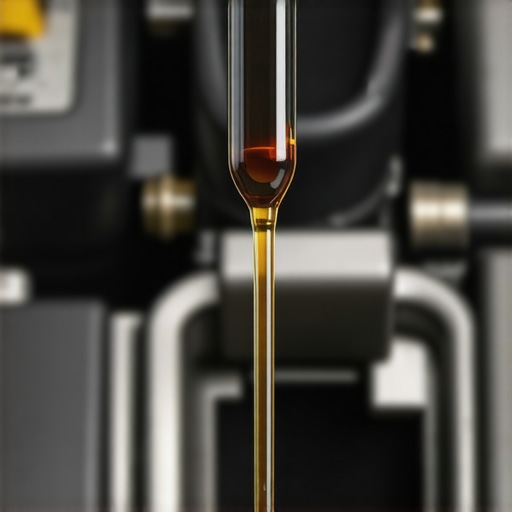
It was a hot summer afternoon when I first noticed that familiar, concerning smell wafting from my car. I popped the hood, expecting to find some minor issue, but my eyes fixed on the transmission fluid dipstick—dark, almost black, and cloudy. I’d just topped it off weeks ago! That moment hit me like a ton of bricks: my transmission was crying for help.
Understanding the Rapid Darkening of Transmission Fluid
Have you ever felt that sinking feeling when you see your transmission fluid turning black faster than expected? You’re not alone. Many car owners, including myself early on, stumble upon this issue and wonder if it’s normal or a sign of something serious. The truth is, transmission fluid can darken over time, but if it’s turning pitch black within a few thousand miles, that’s a red flag that needs immediate attention.
Is Black Transmission Fluid Actually Worth the Hype?
I admit, I initially brushed it off, thinking it was just a typical process of aging. But I made a mistake early on—assuming that dark fluid was just ‘normal wear.’ Turns out, that’s a common misconception. According to expert mechanics, darkening fluid often indicates contamination or breakdown of the oil, leading to reduced lubrication and increased wear on your transmission components. If ignored, this can escalate into costly repairs. Want to know how I tackled this problem and avoided a major overhaul? Keep reading, and I’ll share some tips!
As I started digging into the root causes, I realized that not just driving habits but also external factors like **contaminants and overheating** contribute to this rapid discoloration. For example, a burnt smell combined with black fluid suggests overheating, which can be mitigated by routine fluid checks, similar to the tips found [here](https://collisionrenew.com/stop-2026-gearbox-grinding-with-this-5-minute-fluid-check).
Next, let’s walk through how you can diagnose if your fluid’s darkening is just normal or a sign of impending troubles. Are you ready to learn the signs and solutions that could save your transmission? Stay with me—the fix might be simpler than you think, and the difference could be made before your transmission suffers irreversible damage.
Check Your Transmission Fluid Regularly
Start by inspecting your transmission fluid each month, especially if you notice a change in driving behavior. Remove the dipstick, wipe it clean, reinsert it fully, then pull it out again to check the color and smell. Dark, burnt-smelling fluid indicates it needs immediate replacement. Remember, regular checks can prevent costly repairs down the line, much like catching early signs of brake wear before squealing begins. I once caught my fluid turning black during a routine oil change, which allowed me to address the issue with a simple fluid flush, saving hundreds.
Perform a Visual Inspection for Contaminants
Look for signs of debris, metal particles, or sludge in the fluid. These indicate internal wear or contamination. If present, a drain and fill might not suffice—you may need a full transmission flush. Think of it as cleaning out the engine oil after a major overhaul; neglect leads to accelerated component wear. When I noticed sludge, I followed the detailed process outlined here, which involved flushing the system to ensure no remnants cause damage.
Replace the Transmission Fluid Properly
Use the correct transmission fluid specified in your vehicle’s manual. Draining and refilling involves lifting the car securely, locating the transmission pan, and removing the drain plug. After draining, replace the filter if necessary, then refill with fresh fluid through the dipstick tube. This procedure is akin to flushing and refilling brake fluid to maintain optimal performance. During my last service, I carefully followed the manufacturer’s routine, which kept my transmission shifting smoothly and prevented sluggishness or grinding.
Monitor Overheating and External Factors
Overheating significantly accelerates fluid breakdown, turning it black faster. Keep an eye on the transmission temperature, especially during towing or heavy traffic. If your vehicle has a temperature sensor, ensure it’s calibrated correctly; if not, consider installing one. Also, external factors like contaminants entering the system—through leaks or damaged seals—can degrade the fluid quickly. Regularly inspect for leaks around the transmission housing. I once added a cooling blanket to my transmission lines after noticing high temps on hot days, which extended fluid life and maintained smooth shifting.
Address Underlying Mechanical Issues
Rapid discoloration may signal internal problems like clutch wear, gear misalignment, or pump failure. If changing the fluid doesn’t resolve rough shifts or slippage, it’s crucial to have a mechanic perform a diagnostic. They might use a scan tool to read transmission codes or perform pressure tests to spot issues early. Remember, addressing problems promptly can prevent complete transmission failure. I learned this the hard way when ignoring subtle shifts; a quick diagnosis saved me from an overhaul.
Schedule Professional Maintenance
Even with DIY checks, routine professional inspections ensure your transmission remains healthy. Mechanics can perform fluid analysis, which detects contamination not visible to the naked eye. For example, I scheduled a service after noticing my car was shifting unevenly; the mechanic identified a clogged valve body and corrected it before any major damage occurred. Regular maintenance can be your best defense against rapid fluid deterioration.
Taking these actionable steps can extend your transmission’s lifespan and keep your vehicle running smoothly. Remember, early detection and prompt intervention are key—don’t wait for issues to become costly repairs. If you experience persistent problems, consult an expert or explore helpful guides like this article for detailed troubleshooting tips.
Many car enthusiasts and even seasoned mechanics often fall into common misconceptions about brake service and transmission repairs that can lead to costly mistakes. While it’s easy to believe that regular replacements and simple inspections are enough, the reality is far more nuanced. One widespread myth is that all transmission fluid changes are equally beneficial, but experts emphasize that using the wrong type or neglecting the system’s unique needs can accelerate wear rather than prevent it. For instance, some assume that synthetic fluids last forever, yet studies from automotive engineers highlight that even these require periodic replacements to prevent degradation and ensure smooth gear shifting.
Another often overlooked detail is the trap of ignoring the subtle signs of early system failure. Many drivers wait until a warning light appears, but early symptoms like slight delays in brake response or minor shuddering during shifts can be critical indicators. Diagnosing these issues requires more than just a visual check; it calls for advanced diagnostic tools and a deep understanding of vehicle behavior. That’s why consulting expert sources or professional diagnostics, such as detailed fluid analysis, can save you from engine or transmission replacements down the line.
What Advanced Clues Do Your Car Symptoms Hide?
Beyond the obvious squeals or warning lights, pay attention to nuanced signs like uneven pedal pressure, slight changes in pedal feel, or unusual noises during specific driving conditions. These hints often point to internal problems or calibration issues that aren’t easily detectable without specialized equipment. For example, a common mistake is assuming that a noise during braking is solely due to worn pads, but it might actually be a misaligned or sticking caliper, which can be diagnosed with a proper inspection. Routine maintenance guides, like [this](https://collisionrenew.com/how-collisionrenew-fixes-trunk-latches-that-wont-snap-shut), emphasize the importance of comprehensive system checks—something that professional repairs routinely include.
Uncovering these hidden nuances — such as the impact of external factors like environmental conditions or improper fluid types — can significantly extend your vehicle’s lifespan. Remember, quick fixes or superficial inspections often miss critical clues, leading to larger problems later. So, question the assumptions you’ve inherited about routine repairs. Are you addressing just the symptoms or the underlying issues? My advice: move beyond the basics and develop a proactive mind-set. For example, regular diagnostics and understanding detailed service cycles can help you avoid common pitfalls and unexpected breakdowns.
Have you ever fallen into this trap? Let me know in the comments! Implementing these insights can be your key to smarter, more effective auto maintenance—so stay curious and keep learning from experts who dig into the nuances.
How Do I Maintain My Vehicle Over Time?
Maintaining your car’s performance isn’t just about quick fixes; it requires the right tools, consistent routines, and a proactive mindset. Personally, I’ve invested in quality diagnostic equipment and adopted systematic maintenance strategies that have saved me from costly repairs down the line.
High-Quality Diagnostic Tools Make a Difference
One tool I rely on heavily is the Bluetooth-enabled OBD-II scanner, specifically the BlueDriver. Unlike basic code readers, BlueDriver connects seamlessly with my smartphone and provides detailed freeze-frame data, live sensor readings, and even suggested fixes. Its ability to interpret complex trouble codes, like those associated with transmission or brake sensors, helps me diagnose issues early. For instance, catching a pending code before it triggers warning lights can prevent serious damage and extend component life.
Using Professional-Grade Fluid Testers
Routine fluid analysis is vital, especially for transmission fluid, which may look fine on the surface but could be degraded internally. I recommend tools like the STT Superfluid Tester, which allows me to assess the chemical composition of transmission and brake fluids. By checking for elevated levels of metals or contaminants, I can decide whether to flush or replace fluids proactively. This approach aligns with expert advice emphasizing that regular fluid analysis can significantly reduce wear and prevent sudden breakdowns.
Keep Tools Clean and Calibrated
Maintaining tools isn’t just about owning them; it’s about proper care. Regularly cleaning diagnostic ports, recalibrating testing equipment, and updating software keeps your maintenance routines accurate. For example, software updates for my scanner ensure compatibility with new vehicle models and fix bugs that could lead to misdiagnoses. A small investment in these practices pays off by reducing guesswork and increasing confidence during repairs.
Invest in Routine Checks and Preventive Maintenance
Beyond tools, establishing a schedule for regular inspections—like checking brake wear, fluid levels, and sensor calibrations—can prevent small issues from becoming major headaches. I set reminders every 5,000 miles to review critical components, much like what routine transmission fluid checks suggest. Combining these inspections with data from diagnostic tools ensures I catch problems early.
The Future of Auto Maintenance Is Data-Driven
Predictive maintenance supported by advanced sensors and real-time diagnostics is the trend ahead. Vehicles will increasingly communicate their needs automatically, reducing reliance on manual checks. Staying ahead means investing in smart tools now—like OBD-II scanners with AI capabilities—and adopting routine procedures that consider long-term health rather than immediate fixes. For example, regularly monitoring coolant temperature trends with specialized sensors can reveal overheating issues before they cause damage, aligning with insights from automotive tech experts.
Try integrating a smart diagnostic scanner into your maintenance routine today. Start by identifying the health of your transmission fluid with a quick check, then follow up with a full system scan. Over time, these practices will not only prolong your vehicle’s lifespan but also give you confidence on the road. Remember, consistent care paired with the right tools is the key to keeping your car working flawlessly for years to come.
Lessons From a Silent Call for Help
Early in my car-owning journey, I dismissed the warning signs of darkening transmission fluid, thinking it was just regular aging. That mistake taught me the importance of paying attention to subtle changes—like a change in fluid color or smell—that can save you from costly repairs down the line. Regularly checking your transmission fluid isn’t just maintenance; it’s a conversation with your vehicle about its health, and missing that chat can lead to surprise breakdowns.
Tools and Resources That Changed My Approach
Investing in a quality diagnostic scanner, such as the BlueDriver, transformed how I diagnose issues early. Additionally, tools like the Superfluid Tester helped me understand my fluids’ internal condition before problems manifested. These tools, combined with trusted resources and expert advice, empower you to take control of your vehicle’s maintenance, catching problems before they escalate.
Keep Your Drive Alive with Proactive Habits
Routine inspections, timely fluid changes, and monitoring external factors like overheating are your best defense against transmission woes. I learned that even minor proactive steps, like inspecting for leaks or debris, can extend your vehicle’s life significantly. Cultivating these habits transforms car care from a dreaded chore into a rewarding practice—one that keeps you confident on every trip.
Insider Wisdom on Common Pitfalls and Hidden Details
- Myth Busting: Not all synthetic fluids last forever—regular checks and replacements matter more than brand promises.
- Early Signals: Subtle shifts like uneven shifting or pedal feel changes often hint at deeper issues needing attention.
- Environmental Impact: Overheating from towing or hot weather accelerates fluid breakdown; cooling solutions can buy you precious time.
- Beyond the Surface: Internal parts wear silently; timely diagnostics save thousands.
- Don’t Wait for Lights: Waiting for warning indicators can be costly. Pay attention to your vehicle’s behavior and address issues swiftly.
My Auto Maintenance Mindset—One Step Ahead
Routine diagnostics, quality tools, and educated checks shift maintenance from reactive to proactive. Regularly scheduled fluid tests, system scans, and environmental awareness form a safety net that keeps your transmission and brakes functioning flawlessly. Embracing this mindset means you’re not just fixing problems—they’re preventable opportunities for better driving and longer-lasting rides. Start implementing these habits today, and your future self will thank you for the peace of mind.
Your Turn to Own the Road
Understanding when and why your transmission fluid darkens can be a game-changer for vehicle longevity. It’s more than maintenance; it’s about respecting your car’s silent signals and acting proactively. What small check or habit will you adopt today to keep your transmission healthy? Share your plans below, and let’s learn from each other’s experiences to stay safer and smarter on the road.