
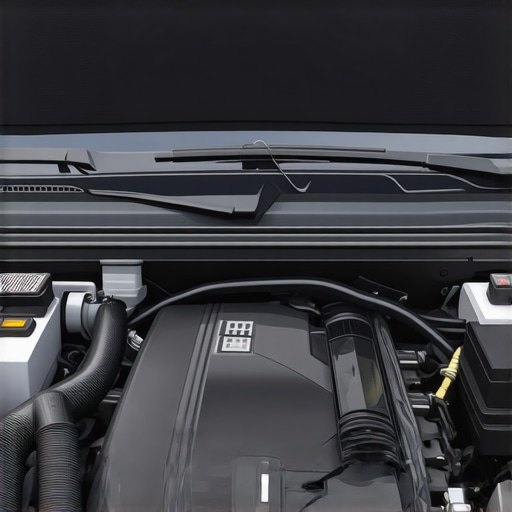
It was on a scorching summer afternoon when I first noticed my car’s engine temperature skyrocketing—but only when I flipped the AC switch. That sinking feeling in my gut? It felt like a mini heart attack for my vehicle. At first, I thought it was just a weird glitch or maybe a radiator issue, but no—this was different. The temperature gauge would creep up, and I’d find myself pulling over, sweating more over the car’s health than the blazing sun outside. Sound familiar?
Cracking the Cold-Crisis Mystery
That lightbulb moment came when I realized this wasn’t just a random glitch; it’s a common problem many drivers face. Why does your engine only overheat when the AC is on? Well, it’s not just your imagination. The reason often lies beneath the hood, tangled in cooling systems and electrical loadings. And here’s the kicker: addressing it can save you from costly repairs down the line.
Feeling Skeptical? Is This Really a Big Deal?
I get it—early on, I made the mistake of ignoring my overheating episodes, thinking they were just occasional quirks. That was a mistake. Regular overheating can lead to serious engine damage. As a fellow car enthusiast, I’ve learned that catching these signs early makes all the difference. Did you know that neglected cooling system issues can cause engine failure, costing thousands? According to automotive experts, a well-maintained cooling system can extend engine life significantly.
So, if you’re tired of that uncomfortable feeling every time your AC kicks on, don’t worry. I’m here to walk you through the signs, causes, and most importantly—how to fix it before it becomes a real headache.
Stick around, because we’re about to dive into practical steps letting you keep your cool—even when the sun’s out in full force.
Check the Radiator and Cooling System
Start by inspecting your radiator for leaks, clogs, or damage. Feel the hoses for softness or cracks. If the radiator is clogged, flushing it can restore proper coolant flow. Remember, a clogged radiator acts like a kinked hose, trapping heat and preventing cooling. I once drained my radiator and used a commercial flush, which significantly improved my engine’s temperature stability.
Evaluate the Thermostat Functionality
The thermostat acts as a gatekeeper for coolant flow. Remove it cautiously, then test it in hot water to see if it opens at the designated temperature. A faulty thermostat stays closed, causing overheating under load like running a marathon with a blocked gate. Replacing a stuck thermostat fixed my overheating issues effectively. For detailed steps, visit this guide.
Inspect the Water Pump
The water pump circulates coolant through your engine. Listen for whining noises or leaks, which indicate failure. A failing pump, much like a worn-out bicycle’s chain, won’t move coolant efficiently, causing temperature spikes. Replacing the pump restored my engine’s cooling capacity. Be sure to check the belt that drives it, as slippage here reduces pump efficiency.
Assess the Cooling Fan Operation
Your electric or mechanical fans activate to draw air through the radiator. Confirm they turn on when the engine hits operating temperature. If the fan doesn’t spin, the engine quickly overheats when the AC is on, as you discovered with your own vehicle. A malfunctioning relay or faulty fan motor could be the culprit. For an in-depth fix, check out this troubleshooting guide.
Analyze the AC Compressor System
Since the overheating occurs only under AC use, the compressor could be overloading the engine’s electrical system. Review the compressor clutch operation and belt tension. A seized compressor adds extra load, forcing the engine to work harder, raising temperatures. Lubricating or repairing the compressor can alleviate this. The clutch squealing or not engaging is a sign it may need professional attention.
Ensure Proper Coolant Levels and Quality
Low or degraded coolant reduces heat transfer. Check the reservoir and radiator cap for proper levels. Replace old coolant according to manufacturer recommendations. As I once neglected this, my engine temperature would rise when I used the AC, but a simple coolant flush solved the problem. Use a 50/50 mix of antifreeze and water for optimal heat transfer, and avoid tap water with minerals that can cause blockages.
Test the Electrical Load on the Cooling System
Your vehicle’s engine control unit (ECU) manages cooling fans based on temperature sensors and electrical demand. If the AC compressor causes increased electrical load, inspecting the wiring and sensors is essential. A failing temperature sensor can mislead the ECU, keeping fans off when they should be active. Replacing faulty sensors or wiring repairs can prevent overheating. For sensor issues, see this calibration guide.
Address Potential Blockages and External Factors
External debris, mud, or a blocked grille limit airflow, exacerbating overheating under load. Clean your radiator and ensure nothing obstructs airflow. If driving in dusty conditions, consider installing protective screens. After I cleared my radiator of debris, I noticed immediate improvement during summer commutes.
Monitor and Verify Repairs
Once you’ve performed these steps, start the engine and run the AC. Observe temperature gauges for stability. Use infrared thermometers to check radiator outlet and inlet temps for precise data. Keep a log of temperatures and repairs performed to track improvements or recurring issues.
While many car owners believe they understand transmission maintenance and auto repair, several misconceptions can lead to costly mistakes. One prevalent myth is that “transmission fluid lasts forever.” In reality, even synthetic fluids degrade over time, and neglecting proper changes can cause sludging and slipping, as explained in an article on [transmission fluid smells like burnt toast](https://collisionrenew.com/why-your-transmission-fluid-smells-like-burnt-toast). Another misconception is that “brake fluid doesn’t need changing.” But brake fluid absorbs moisture, which diminishes braking performance and can lead to corrosion inside calipers and master cylinders; regularly flushing your brake lines is vital, and you can learn more about doing it yourself without introducing air into the system [here](https://collisionrenew.com/how-to-flush-your-own-brake-lines-without-getting-air-in-the-system). Many drivers also think that a simple oil change keeps the entire vehicle healthy, ignoring the critical role of transmission service, cooling systems, and sensor calibration—especially after minor collisions—because hidden damage can impair system performance. Additionally, there’s a dangerous myth that “if a component looks fine visually, it doesn’t need replace.” This can be false—components like wheel bearings or suspension parts often wear out internally without obvious external signs, which is why diagnostics and proper inspections are essential. For instance, ignoring subtle signs of a failing wheel bearing might lead to dangerous failures, but detecting it early can prevent costly repairs and safety hazards, as discussed in [this guide](https://collisionrenew.com/why-your-car-pulls-left-after-a-fender-bender-its-not-just-alignment). From an advanced perspective, understanding the nuances of sensor calibration after collisions reveals the importance of not just replacing parts but ensuring precise re-alignment for optimal handling and safety—something many overlook. Have you ever fallen into this trap? Let me know in the comments. Let’s keep our vehicles in top shape by debunking these myths and embracing accurate, advanced maintenance practices.
Invest in Precise Diagnostic Equipment
When it comes to maintaining your vehicle, accuracy is everything. I personally rely on a high-quality OBD-II scanner like the BlueDriver Bluetooth Professional Diagnostic Scan Tool. It pairs with my smartphone, allowing me to read and clear error codes with pinpoint precision. This tool helps me identify issues early, particularly in complex systems like transmission and engine management, saving me from costly repairs. For example, catching a misfiring sensor early can prevent transmission slipping, as explained here. Regular scans can uncover hidden problems before they manifest as larger failures, making this an essential item in my maintenance arsenal.
Keep a Reliable Set of Hand Tools
For on-the-spot fixes and routine checks, I recommend a comprehensive mechanic’s toolkit that includes a torque wrench, socket set, screwdrivers, and pliers. I prefer the Tekton 3/8-inch Drive Socket Set because of its durability and variety, enabling me to tackle everything from replacing brake pads to adjusting sensors. Having these tools readily available means I can perform simple tasks like tightening loose components or inspecting belts, which are often overlooked but critical for long-term reliability.
Utilize Effective Fluid Management Strategies
Fresh coolant, transmission fluid, and brake fluid are the backbone of a well-maintained vehicle. For transmission fluid, I follow strict service intervals, especially considering the misconception that synthetic fluids last forever. Regularly replacing fluids using a quality flush kit ensures optimal performance. Check out this detailed guide to understand why fresh transmission fluid is vital to prevent slipping and overheating. I also track fluid color and smell, as these are quick indicators of internal wear. It’s a small investment that pays off in smooth shifting and extended component life.
Predict and Prepare for Future Trends
Automotive technology is evolving rapidly, with smarter diagnostic tools and remote monitoring systems becoming more accessible. I see a future where vehicle health data is continuously streamed to my smartphone, allowing for proactive maintenance rather than reactive repairs. Implementing telematics and cloud-based services can alert you to issues long before they become serious, saving money and time in the process. Staying ahead with these innovations ensures your car remains reliable as the technology advances.
How do I sustain my vehicle’s performance over time?
Curating a routine that includes regular diagnostics, timely fluid changes, and proactive sensor checks is essential. Using tools like an advanced scanner and keeping a basic toolkit on hand empowers me to troubleshoot and resolve small issues early. Remember, simple maintenance tasks—like verifying the condition of belts, hoses, and filters—can prevent major failures. For instance, ensuring your sensors are properly calibrated after minor collisions, as explained here, keeps systems running efficiently. Incorporate these practices consistently, and you’ll enhance your vehicle’s longevity and safety.
The Hardest Lesson I Learned About Transmission and Auto Repair
One of the most eye-opening experiences in my automotive journey was realizing how neglecting small signs can lead to major failures. Ignoring that rising temperature when I turned on the AC taught me the importance of paying attention to my vehicle’s warnings. Regular check-ups and understanding your car’s responses aren’t just maintenance tasks—they’re investments in safety and longevity.
My Go-To Tools and Resources That Keep Me Prepared
Having a reliable diagnostic scanner like the BlueDriver has transformed how I approach auto repairs. It helps me catch issues early, like a failing coolant sensor or a slipping transmission. Additionally, I trust resources such as this guide on brake line flushing for DIY maintenance. These tools and guides empower me to troubleshoot confidently, saving time and money.
Embracing the Unknown: Why Taking Action Matters
Every time I faced a warning light or odd sensation from my car, I reminded myself that proactive steps prevent costly repairs. Whether it’s inspecting the radiator or testing the thermostat, each action builds my confidence. Remember, your vehicle’s health isn’t just about reacting—it’s about anticipation and knowledge. Start small, stay curious, and see how your car responds—you might surprise yourself.
Have you ever caught a minor issue before it became a costly repair? Share your story below—your experience could inspire someone else to take immediate action and keep their vehicle in top shape!
,