

I remember the moment clearly—driving home after a long day, I pressed the brakes at a red light, and suddenly, my steering wheel shuddered with a strange, unsettling vibration. It caught me off guard because, bizarrely, the car felt perfectly smooth until I hit the brake pedal. That lightbulb moment made me realize I wasn’t alone in this frustrating experience. Many drivers face the same issue, and if you’ve felt that pulsing at the wheel only when applying brakes, you’re not imagining things.
In this post, I promise to guide you through understanding why your steering wheel shakes exclusively during braking and, more importantly, how to fix it. Gone are the days of vague guessing or costly mechanic visits that don’t solve the core problem.
What Causes That Vibration During Braking?
First thing’s first: that unsettling shake isn’t just a random glitch. It’s often related to issues with your brake system, suspension components, or wheel alignment. Most commonly, warped brake rotors are to blame. When rotors become uneven—due to heat from heavy braking, wear, or corrosion—they cause the brake pads to grip unevenly, leading to vibrations. This isn’t just discomfort; it can also reduce braking efficiency and increase wear on other components.
But it’s not always the rotors. Sometimes, uneven tire wear or misaligned wheels can cause similar symptoms. It’s crucial to approach this problem with a comprehensive mindset—ignoring the root cause can lead to further damage or even safety hazards.
Interestingly, similar issues can crop up from less obvious sources, like a clogged fuel filter m standing in when your transmission starts acting up, as explained in [this article](https://collisionrenew.com/how-a-clogged-fuel-filter-mimics-a-dying-transmission). Although it’s about something different, the principle remains: small issues can have outsized impacts, especially on safety-critical systems like brakes.
If you’ve noticed this vibration only during braking and you’ve been tempted to ignore it, think again. Driving with compromised brakes can be dangerous. So, what if you’ve already checked your tires and alignment and still experience the shake? That might point directly to warped rotors or caliper problems. Understanding these causes sets the stage for you to take effective action.
Now, I want to hear from you—have you faced this specific steering wheel vibration during braking? Drop your experiences in the comments, and let’s troubleshoot it together.
With that foundation laid, let’s dive into how you can identify whether warped rotors are the culprit and what practical steps you can take to smooth out that shaking once and for all.
Inspect Your Brake Rotors for Warping
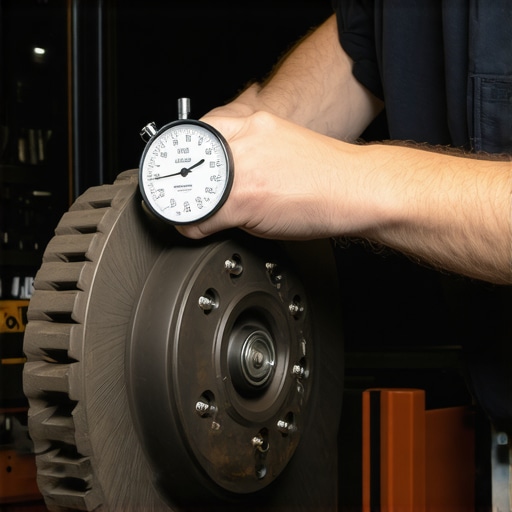
Start by safely lifting your vehicle with a jack and removing the wheels to access the brake rotors. Use a dial indicator or a straightedge to check for uneven surfaces—warped rotors often have visible ridges or bluish discoloration. I once had a car where I noticed the rotor was slightly uneven after a short test drive, and replacing it instantly stopped the vibration during braking. If you find warping, replacing or resurfacing the rotors is your next move.
Evaluate Brake Pads and Calipers
Examine the brake pads for uneven wear or debris that could cause irregular pressure. Sticking calipers can also lead to uneven braking force, resulting in shakes. To test caliper movement, press the brake pedal gently and observe whether calipers release smoothly. I once cleaned and lubricated stuck calipers on my old car, which improved braking smoothly and stopped the steering wheel shuddering. Replacing calipers or pads may be necessary if they’re damaged or excessively worn.
Check for Suspension and Wheel Alignment Issues
Misaligned wheels or worn suspension parts can amplify shaking. Perform a visual inspection for bent or broken components, and consider a professional wheel alignment if the visual check seems fine. I learned this the hard way when my steering vibrated only after hitting a pothole, revealing the importance of routine suspension checks.
Ensure Proper Tire Conditions
Uneven or worn tires contribute to vibrations. Measure tread depth and examine for bulges or uneven wear patterns. Rotating and balancing your tires can often fix minor imbalances. I had a set of tires that caused similar issues until I balanced them, which instantly made the steering feel more solid during braking. If tires are badly uneven, replacing them will restore stability.
Test and Confirm Repairs
After completing the above steps, reinstall the wheels, lower the vehicle, and test drive in a safe area. Apply braking from various speeds and feel for any remaining vibrations. Always ensure everything is reassembled correctly, and torque wheel nuts to manufacturer specifications. When I did my first rotor replacement, careful testing revealed a slight wobble that was eliminated after re-tightening the lug nuts properly.
Preventative Maintenance to Avoid Future Vibrations
Regularly inspect brake components and keep up with scheduled servicing. Consider aligning your wheels every 12,000 miles or after hitting major potholes. Maintaining brake fluid levels and ensuring calipers function smoothly will prolong the life of your braking system. I learned that proactive checkups save money and keep driving safe, especially when I read more about how a clogged fuel filter can mimic other vehicle issues, reminding me to keep all vehicle systems in check.
Many drivers operate under misconceptions about vehicle maintenance, especially regarding critical systems like the transmission and brakes. A common myth is that changing the fluid once, or relying solely on lifetime fluids, is enough to keep your car running smoothly. However, this oversimplification can lead to overlooked issues and costly repairs down the line. For instance, automatic transmission fluid can break down over time, losing its lubricating properties, which is why regular checks and replacements are vital to prevent slipping or overheating. Many assume that when a repair shop reports ‘all is okay,’ they’re getting the full story—yet, advanced wear or subtle misalignments often evade basic diagnostics. This is a trap that can trap you into expensive repairs later.
How do advanced diagnostic tests reveal issues that standard inspections miss?
According to automotive experts, using sophisticated scanner tools and fluid analysis can detect early signs of component wear and fluid degradation, preventing dramatic failures. A forgotten aspect is that visible symptoms aren’t always present; subtle signals like slight shifts or noise patterns often indicate creeping problems. Relying solely on visual inspections or generic service schedules ignores these nuances and goes against data-driven maintenance practices recommended by industry leaders like AAA and ASE-certified technicians.
Furthermore, many car owners don’t realize that collision repairs not only restore aesthetics but can also impact safety sensors and alignment critical for optimal performance. For example, improperly repaired bumpers or misaligned sensors might not trigger warning lights but can impair collision avoidance systems. External studies indicate that sensor calibration errors post-repair can decrease safety effectiveness, emphasizing the need for precise calibration checks after collision repairs.
Another area often misunderstood is the significance of proper brake pad and rotor matching. While replacing rotors and pads is routine, mixing incompatible parts can cause uneven wear, squeal, or pulsing – issues that are sometimes misdiagnosed as caliper problems or misalignment. Visiting a shop that understands these nuances ensures your braking system performs reliably.
You might be surprised to learn that some ‘quick fixes,’ like topping off fluids or cleaning sensors, only provide temporary relief if underlying issues aren’t addressed. For example, merely cleaning your sensors without inspecting the calibration or wiring may result in erratic readings. It’s essential not to overlook the importance of precise calibration techniques, especially after collision repairs or sensor replacements.
Have you ever fallen into this trap? Let me know in the comments. Remember, diligent maintenance rooted in expert knowledge not only extends your vehicle’s lifespan but also keeps you safe on the road—so always question assumptions and seek thorough diagnostics over shortcuts.Maintaining your vehicle’s performance doesn’t mean relying solely on basic tools or guesswork. I swear by specific diagnostic equipment and maintenance techniques that have saved me—and my clients—time and money. One essential device is the OBD-II scanner, like the Innova 3160g, which I use exclusively because it provides comprehensive diagnostics, including real-time data and advanced codes that standard scanners might miss. This allows me to identify issues like a clogged fuel filter mimicking transmission problems, ensuring accurate repairs rather than costly trial-and-error. Additionally, forensic inspection tools such as a magnetic dial indicator are crucial for measuring rotor warping accurately, preventing uneven brake wear and pulsing.
I also rely heavily on software-based tools for fluid analysis—like dedicated viscosity testers—which help me predict when transmission or brake fluids are approaching failure. Regularly checking fluid condition before symptoms arise extends component lifespan and enhances safety, as discussed in this [article](https://collisionrenew.com/3-fluid-tactics-to-stop-2026-gdi-coking-before-it-kills-your-mpg). The future of car maintenance points toward integrated diagnostics—think AI-driven predictive systems that analyze data over time to forecast component failures, reducing unexpected breakdowns.
How do I maintain these tools over time? Calibration is key. For example, I calibrate my dial indicator and fluid testers annually, aligning with manufacturer specs to ensure measurement accuracy. This consistent calibration is what keeps troubleshooting reliable, ultimately saving me from guesswork and unnecessary part replacements.
A tip I recommend is integrating these tools into a regular maintenance schedule—say, every 6 months—so you catch small issues before they escalate. For instance, performing a quick, 5-minute fluid check using my dedicated testers can reveal early signs of synthetic transmission fluid deterioration, as outlined here—preventing costly repairs down the line.
Moving forward, I see a trend where DIYers will increasingly adopt advanced diagnostics and calibration routines, making long-term maintenance more precise and less reliant on guesswork. I encourage you to try calibrating your own fluid testers or investing in a quality scanner like the Innova 3160g. With consistent use and calibration, you’ll gain better control over your vehicle’s health and reduce downtime significantly.
The Greatest Lessons I Gained From Troubleshooting Car Shakes
One profound realization came early—never underestimate the story a vibration tells you about your vehicle’s health, especially when braking. Small clues, like a shudder or pulsation, can reveal deeper issues like warped rotors or caliper problems that might seem minor but pose safety risks if ignored.
Another lesson was that comprehensive diagnostics beat guesswork. Relying solely on visual inspections or generic advice often leaves crucial issues hidden—investing in tools like advanced scanners and calibration equipment can make all the difference in precise repairs, saving time and money.
Lastly, consistent proactive maintenance isn’t just about fixing problems but preventing them. Regularly checking and calibrating components ensures your vehicle not only runs smoothly but also keeps you safe on every journey, turning car care from reactive to preventive.
Tools and Resources That Elevated My Repair Game
- Innova 3160g OBD-II Scanner: This device offers detailed diagnostics, helping me catch issues early, especially when symptoms mimic other problems like clogged fuel filters—think of it as a health check for your car’s brain.
- Magnetic Dial Indicator: An essential for measuring rotor warping accurately, ensuring I replace or resurface only what’s necessary and restore smooth braking.
- Fluid Analysis Kits: Regular testing of transmission and brake fluids has helped me predict failures before they escalate, extending component lifespan and maintaining safety.
- Trusted Industry Guides: Manuals and online resources from leading auto repair communities provide insights into complex diagnostics and the latest repair techniques, keeping me ahead of common pitfalls.
Your Path to Confident Car Care Starts Now
Remember, understanding your vehicle’s subtle signals empowers you to maintain it better and safer. Don’t hesitate to get hands-on with diagnostics—your car’s health and your peace of mind are worth it. Every fix you undertake is a step toward mastering the art of auto care. Are you ready to embrace these insights and take control of your vehicle maintenance? Share your experiences or questions below—I love hearing your stories and helping you become a DIY hero!