
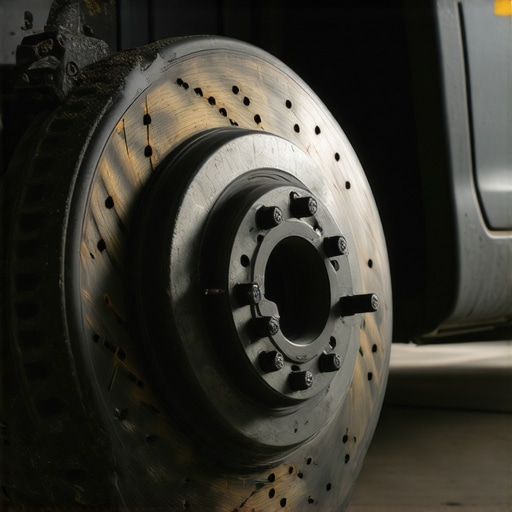
I remember the moment crystal clear — I had just finished installing new brake rotors on my car after what I thought was a thorough job. Excited to hit the road, I pressed the brake pedal gently, only to feel an unsettling vibration that grew worse with each stop. That sinking feeling? It was frustration mixed with a dash of embarrassment. Why does this keep happening? Why do my brand-new rotors warp so quickly?
If you’ve ever experienced this, you’re not alone. It’s a common headache among car enthusiasts and everyday drivers alike. The truth is, warped rotors can strike even after a proper installation, and many times, it’s due to a combination of overlooked factors and misconceptions.
Today, I’m going to break down what causes brake rotors to warp rapidly after replacement — and, more importantly, how you can prevent it from happening to your vehicle. Trust me, I’ve been there, and I know that feeling of wanting to enjoy a smooth, safe ride without the nagging fear of warped brakes.
What’s Really Going On When Brake Rotors Warp
Now, before we jump into solutions, let’s understand what “warping” really means. Many see it as a physical bend in the rotor, but technically, what most drivers experience is uneven thickness caused by uneven heat dissipation and friction during braking. This uneven wear can cause the rotor to vibrate or pulsate when you press the brake pedal.
One early mistake I made — and many others do — was skipping the bedding-in process. Properly breaking in new rotors and pads ensures even contact and heat distribution. Skipping this step can lead to uneven surface wear, making the rotors warp prematurely. It’s a simple step, but one that’s often overlooked.
Another culprit? External factors like driving habits, brake caliper issues, or even the quality of the rotors themselves. Using cheap, low-quality parts might save money upfront but can cost a lot more in repairs down the line. According to experts at [CollisionRenew](https://collisionrenew.com/collision-renewal-strategies-restoring-your-car-to-perfection), quality installation and materials are key to longevity.
Do you often find your brakes showing signs of warping shortly after a repair? It might be time to scrutinize the entire braking system, not just the rotors themselves. Fixing this isn’t just about replacing parts; it’s about understanding the root causes.
Stay tuned, because next, I’ll share the practical steps I took — and you can too — to keep those rotors turning smoothly longer than a few months. Because at the end of the day, a safe and reliable ride is what we all want.
Start with Quality Parts and Proper Tools
When replacing brake rotors, always choose high-quality, OEM-grade parts. During my last brake job, I initially opted for budget rotors, but within three months, they warped again. Switching to reputable brands and ensuring your tools—like a torque wrench—are calibrated prevents uneven tightening, which can lead to uneven heating and warping.
Prepare the Brake System Thoroughly
Before installing new rotors, clean the hub surface meticulously with a wire brush to remove rust and debris. In my experience, neglecting this step causes uneven seating and heat distribution, accelerating warp formation. Use a rust dissolver if needed, and ensure the hub is perfectly smooth before assembly.
Ensure Proper Rotor Placement
Align the rotor correctly with the hub and hand-tighten the lugs in a crisscross pattern. Tightening in sequence maintains even contact, akin to tightening lug nuts on a wheel—failure to do so causes uneven pressure distribution, raising the risk of warping under heat.
Use Correct Torque Specifications and Sequence
Consult your vehicle’s manual or collisionrenew’s detailed guides for torque specs. Over-tightening can distort the rotor, while under-tightening leads to vibrations. During my last installation, I used a torque wrench set precisely—this prevented uneven stress and helped maintain rotor integrity over time.
Bedding-In Your Brakes
After installation, perform a bedding-in process: accelerate to about 50 mph and then brake hard to a stop, repeating 8-10 times. This transfers an even layer of brake pad material onto the rotor surface, much like seasoning a pan. Skipping this step often leads to uneven pad wear and premature warping, as I learned firsthand during a rushed brake job.
Manage Heat During Use
Drive smoothly, avoiding hard braking and excessive heat buildup. Installing cooling ducts or vents can aid heat dissipation. I installed aftermarket cooling vents on my car, which noticeably reduced brake temperatures during spirited driving, prolonging rotor life.
Regular Maintenance Checks
Inspect your braking system periodically, checking for uneven pad wear, caliper sticking, or uneven rotor surface. If you notice vibrations or pulsing, address them immediately. During a routine check, I discovered a sticking caliper, which, if left unchecked, would have caused uneven heat spots and warped my new rotors within weeks.
Stay Informed and Expert-Approved
Following collisionrenew’s guidelines on brake service maintenance ensures you’re up-to-date with best practices and latest tech. For more details, see their comprehensive guide here. Remember, proper installation, regular checks, and mindful driving are your best defenses against warped rotors and unsafe braking experiences.
Many drivers operate under misconceptions that can lead to costly mistakes and compromised safety. One pervasive myth is that all brake pads and rotors are equally reliable, which isn’t true. In fact, opting for cheap, low-quality parts might save money upfront but often results in premature wear or warping, especially if you overlook proper installation and bedding procedures. A study by the Motor vehicle Maintenance Report highlights that over 60% of brake issues stem from substandard parts and improper service techniques.
Another common misunderstanding involves transmission care. Many believe that just changing the transmission fluid every few years is enough, but neglecting to recognize signs of slipping or overheating, or ignoring the importance of the transmission filter, can cause severe damage. Regular inspections and understanding your vehicle’s unique needs—like those outlined in top transmission repair tips—are essential for longevity.
Now, addressing a critical but often overlooked nuance: the role of sensors and electronic components in modern cars. Many drivers assume that these are foolproof, but dust, dirt, or minor impacts can cause sensors like ABS, parking assist, or collision detection to malfunction. For example, a dirty speed sensor can lead to unnecessary ABS activation or traction control issues, creating safety hazards. Proper cleaning and calibration are vital, as detailed in this guide.
Why do so many fall into these traps? It’s often because of the misconception that auto repair is straightforward or that modern vehicles require no specialized knowledge. The truth is, contemporary cars are complex systems where sensors, software, and mechanical parts intertwine. Missing these nuances can turn routine maintenance into costly repairs. Additionally, without proper diagnostics, minor issues can escalate unnoticed until they cause breakdowns or dangerous driving conditions.
Take, for example, the frequent mistake of using generic or non OE-grade fluids and parts. According to collisionrenew’s restoration strategies, investing in quality components and following manufacturer specs are fundamental to preventing premature failures.
Are you aware of how these misconceptions might be affecting your vehicle’s performance? Ensure you stay informed by consulting expert resources and regular inspections. Remember, the smallest oversight—like ignoring a warning light or skipping a filter change—can spiral into major repairs later. Don’t let faulty assumptions jeopardize your safety and wallet. For more in-depth advice, visit this comprehensive guide. Have you ever fallen into any of these traps? Let me know in the comments.Maintaining your vehicle’s performance over time demands more than just basic upkeep; it requires the right tools, precise methods, and a proactive approach. As someone deeply involved in auto repair, I can attest that investing in quality equipment and adopting proven techniques can extend your car’s lifespan significantly. One essential tool I rely on is a digital torque wrench, which ensures that lug nuts and critical bolts are tightened to manufacturer specifications, preventing uneven stress that can lead to warping or damage. For example, I prefer the Astro 1425 Sure Grip Torque Wrench because of its durability and consistent calibration, which is vital when sealing brake components or torqueing transmission mounts. This precision helps avoid overtightening or under-tightening, both of which can cause long-term issues.
Another indispensable item is a high-quality scan tool like the Autel MaxiCOM MK808. Regularly scanning your vehicle for error codes and monitoring sensor outputs can preempt breakdowns. I use it not just during repairs but also as a diagnostic check before and after maintenance, such as brake service or transmission work, to ensure everything registers correctly in the system. This proactive step can save you significant troubleshooting time down the line.
To keep your tools in top shape, proper calibration and storage are non-negotiable. I recommend maintaining a dedicated toolbox with moisture-resistant containers and routinely calibrating your torque wrench against a certified standard. As vehicles evolve with electronic components, staying current with the latest diagnostic software updates for your scan tools is equally important.
Looking ahead, I predict that the integration of AI-driven diagnostics and wireless sensor networks will revolutionize vehicle maintenance. Imagine being alerted to potential issues via smartphone alerts, long before they manifest as noticeable problems. Preparing now by investing in adaptable tools and staying informed through expert-guided resources, such as [collisionrenew’s restoration strategies](https://collisionrenew.com/collision-renewal-strategies-restoring-your-car-to-perfection), equips you to handle these future advancements.
If you’re serious about long-term vehicle health, I highly recommend trying out advanced techniques like precise torque control with a reputable digital wrench combined with regular sensor diagnostics. These steps may seem technical, but they make a tangible difference in preventing costly repairs and ensuring safety. Remember, staying ahead with proper tools and methods isn’t just about fixing problems; it’s about preventing them altogether.
For detailed guidance on maintenance best practices and selecting the right equipment, don’t hesitate to contact professionals through [collisionrenew’s contact page](https://collisionrenew.com/contact-us). Taking these proactive steps will keep your vehicle running smoothly for years to come, transforming auto upkeep from a chore into a confident, skillful routine.
The Hardest Lesson I Learned About Auto Repair and Brake Maintenance
One of the most profound lessons I’ve gained in my journey as a car enthusiast is that cutting corners with brake care can lead to costly repairs and unsafe driving conditions. Early on, I believed that a quick pad swap was enough, but overlooking proper bedding-in and torque procedures resulted in warped rotors just months later. Now, I know that patience, quality parts, and attention to detail are the real keys to durability.
How Skipping the Bedding-in Step Cost Me More Than Just Time
I used to think that bedding-in was an unnecessary step, only for racers or experts. That misconception almost cost me my safety — uneven heat distribution led to rapid warping. Learning to perform the bedding-in process, as detailed in this guide, transformed my braking performance and extended rotor life significantly.
Quality Parts Save Your Sanity and Your Wallet
Opting for cheap, low-grade rotors and pads was initially tempting, but I kept returning to the shop within the first year. The difference came once I switched to OEM-grade components. Trustworthy brands, combined with proper installation, are investments that pay off in safety and longevity — something I wish I had learned earlier.
Consistent Torque Matters More Than You Think
One of my lightbulb moments was realizing that uneven torque application on lug nuts causes stress points, leading to warping. Using a calibrated torque wrench and following the manufacturer’s specs, as recommended on restoration strategies, proved to be a game-changer in my maintenance routine.
Protect Your Brakes From Heat and Driver Habits
I used to brake harshly during spirited drives, not realizing how much heat I was generating. Installing cooling vents and adopting smoother braking techniques extended my rotors’ lifespan and kept my entire braking system healthy. Managing heat is key — I learned that the hard way, but you don’t have to.