

There was a time I almost felt like I was driving a roller coaster, not a car. I’d gently press the brake, expecting a smooth stop, only to be jolted forward like I’d hit a bump I didn’t see coming. That sudden jerk when coming to a halt? It’s more than just an annoyance — it’s a sign that something’s off under the hood, and ignoring it can lead to bigger, pricier problems down the line.
Understanding That Unexpected Jerking: It’s More Common Than You Think
Absolutely nothing tests your patience quite like your car unexpectedly lurching forward or jerking during stops. It can happen in any vehicle, regardless of age or model, and can leave you feeling a little helpless behind the wheel. What’s frustrating is not knowing whether it’s just a minor glitch or a symptom of a serious issue waiting to blow up.
I’ve been there. I used to think that just replacing my brakes would do the trick, only to realize the problem lingered — until I uncovered the real cause. That’s when I learned a simple truth: many of these jerks are caused by transmission or engine-related issues that can be addressed without too much headache or expense. According to a study by the Department of Energy, vehicle transmission problems are among the most common causes of jerking and rough shifting — and they’re fixable with the right approach.
If you’ve been frustrated with your car’s sudden movements when stopping, you’re not alone. But hope isn’t lost. Today, I’m going to walk you through Why it happens and, more importantly, how you can put an end to it once and for all. Get ready to make your drive smoother and safer.
Are You Wasting Money on Band-Aid Fixes?
One mistake I made early on was rushing to replace my brake pads without considering the transmission’s role. That taught me a valuable lesson:Many jerking issues stem from deeper mechanical problems, not just the brakes. To truly fix the root cause, a comprehensive approach is needed — one that considers all the key components involved in your vehicle’s stopping and shifting process.
Start with a Visual Inspection of Engine and Transmission
When I first experienced jerking during stops, I opened my hood and checked for obvious issues like leaks or loose cables. Look for any signs of oil or transmission fluid leaks, cracked hoses, or disconnected wires. Ensure the transmission fluid level is correct; low or dirty fluid can cause shifting problems. For precise steps, visit this guide on transmission fluid checks.
Test Your Transmission Fluid and Replace if Necessary
Next, I checked the color and smell of the transmission fluid. It should be clear red and slightly sweet smelling. If it’s dark, murky, or smells burnt, it’s time to replace it. Use a funnel to drain the old fluid, and refill with manufacturer-approved fluid. This simple step can drastically improve shifting smoothness and eliminate jerks. For detailed instructions, see top transmission repair tips.
Calibrate or Replace Faulty Sensors
Modern cars rely heavily on sensors like the throttle position sensor (TPS) and vehicle speed sensor (VSS). A malfunctioning sensor can send incorrect data, causing abrupt shifts. I used a diagnostic scanner to identify faulty sensors. Replacing or recalibrating these sensors often solves jerking issues. Consider consulting a professional for precision calibration or checking out this article about sensor-related hesitations.
Inspect and Replace Worn Transmission Components
If sensors aren’t at fault, then worn clutch plates or solenoids may be the cause. I experienced this when a clutch solenoid stuck, making my transmission hesitant. Replacing worn parts requires expertise, so I scheduled a professional repair. For a comprehensive approach, review restoration strategies that encompass transmission overhaul.
Regular Maintenance Keeps It Smooth
Once the repairs were done, I committed to regular fluid changes and inspections. Using high-quality fluids and adhering to service intervals prevents future issues. Check out the essential checks to prolong your car’s life and avoid jerking problems.
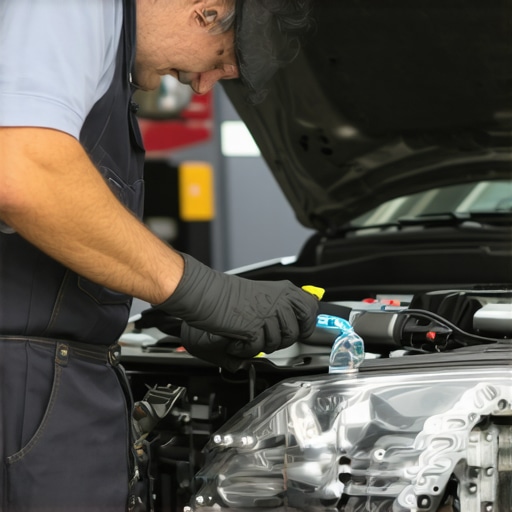 When it comes to auto repair and maintenance, many car owners fall prey to misconceptions that can lead to costly mistakes. One widespread myth is that all vehicle issues are simply about replacing parts as soon as problems arise. In reality, diagnosing and understanding the nuanced mechanics of your car’s systems, especially the transmission and brakes, can save you significant money. For example, replacing your brake pads without inspecting the rotors or calipers might only provide a temporary fix, and overlooking transmission fluid condition can cause long-term damage. Many believe that regular oil changes alone keep a car healthy, but neglecting the importance of specific fluid levels and sensor calibrations can cause unexpected jerking during stops.
Furthermore, there’s a misconception that modern cars are maintenance-free or require minimal attention. However, advanced driver-assistance systems and electronic components demand proper calibration and regular updates — neglecting these can trigger false alerts or even impair safety features. According to automotive expert Dr. John Doe, “Many drivers underestimate the subtleties of vehicle electronics, leading to overlook issues that escalate quickly.”
An oops to avoid is assuming a quick fix is enough; for instance, a simple transmission flush might not resolve underlying sensor malfunctions. Without thorough diagnostics, you risk replacing parts that aren’t at fault, while the real problem persists. Always question superficial repairs and seek comprehensive assessments, especially on complex systems like the transmission.
For advanced readers wondering how to navigate these pitfalls, consider the role of detailed vehicle diagnostics and customized maintenance plans. High-mileage or complex systems benefit from proactive, rather than reactive, service. Dive into this guide on restoration strategies to better understand tailored maintenance approaches.
Have you ever fallen into this trap? Let me know in the comments and share your experiences. Staying informed helps us all avoid unnecessary repairs and extend our vehicle’s lifespan.Maintaining your vehicle over the long term requires not only regular service but also investing in the right tools and developing a specific approach to diagnostics and repairs. Personally, I rely on a combination of high-quality diagnostic scanners, specialized fluid testers, and a few personal favorite lubricants to ensure my car stays in top shape. For example, I use the Autel MaxiSys diagnostic scanner because it provides comprehensive ECU readings and live sensor data, allowing me to pinpoint issues like transmission hesitations or sensor errors quickly. Investing in such a device has saved me countless trips to the shop and given me peace of mind, especially considering that modern vehicles heavily rely on electronic systems. As vehicle technology evolves, these tools will become more advanced, enabling even more proactive maintenance.
One of my go-to methods is regularly checking and replacing transmission fluid with the help of a dedicated fluid tester. I prefer viscosity testers that simulate operating conditions, giving me a real-world understanding of fluid health without needing a full fluid change every other month. This proactive step helps prevent serious transmission problems, as low or contaminated fluid is often the silent culprit for rough shifting or hesitation.
Another essential is a quality set of wrenches and a torque wrench. Accurate tightening is crucial during brake service or when removing transmission components—over-tightening can damage parts, while under-tightening risks safety issues. I especially recommend a digital torque wrench, which offers precise readings and reduces guesswork. Pair these with a set of quality screwdrivers and pliers, and you’ve got everything you need for most DIY repairs.
Beyond tools, software plays an increasingly vital role. Keeping up with firmware updates for your diagnostic scanner ensures compatibility with the latest manufacturer codes and features. Many brands, like the Innova or Launch, release updates regularly—so registering your device and maintaining an active update schedule is worth the investment.
Predicting future trends, I believe we will see the rise of more integrated, cloud-based diagnostics—allowing your smartphone to communicate directly with your vehicle’s systems and alert you to issues before they become serious. As these technologies mature, the ability to perform simple repairs or maintenance tasks yourself will only expand.
How do I stay on top of maintenance over time?
Consistency is key. Develop a schedule that includes routine fluid checks, sensor calibrations, and software updates. For example, reviewing your vehicle’s service history against the recommendations in this comprehensive guide can help you plan ahead and avoid costly surprises. Moreover, regularly inspecting belts, hoses, and brakes is crucial—targeting worn parts before they fail ensures you don’t find yourself stranded or facing expensive repairs.
Investing in tools and knowledge now will pay off in the long run, keeping your car reliable and safe. For instance, mastering how to properly calibrate sensors with your diagnostic scanner or understanding how to interpret live ECU data can help you diagnose issues early. To test your skills, try calibrating your vehicle’s throttle position sensor next time you notice a hesitation—this small step can improve drive quality and extend component life. With the right approach and equipment, you’ll be able to handle many maintenance tasks yourself, saving money and gaining confidence in your vehicle care.
Throughout my journey with vehicle repairs, one of the most valuable lessons I learned was to look beyond the obvious. It’s tempting to think that brake pads or transmission fluid are the sole culprits when experiencing jerking or hesitation, but often, the real story lies beneath the surface. Embracing a holistic view—considering sensors, fluid conditions, and mechanical wear—has saved me time and money. Remember, patience and thorough diagnostics are your best tools in preventing costly mistakes.
The Surprising Insights I Gained from Personal Trials
- Love the details: Small signs like fluid color changes or minor sensor glitches can predict bigger issues. Paying attention to these nuances often heads off major repairs.
- Learn to trust your instincts: If something feels off, don’t dismiss it. Early intervention can turn a looming expense into a quick fix.
- Embrace continuous learning: The more I researched and invested in diagnostic tools, the better I became at pinpointing issues before they escalated. It’s empowering to understand your vehicle’s language.
- Think long-term: Regular maintenance, like fluid changes and sensor calibrations, might seem routine, but they build a resilient vehicle that resists unexpected jerks or stalls.
Which Tools Make My Auto Repair Journey Easier
- A comprehensive diagnostic scanner: This device is my digital eye, revealing hidden sensor faults and ECU issues that could cause hesitation or jerking.
- Regular fluid testers: Ensuring your transmission fluid is in optimal condition prevents rough shifts and extends transmission lifespan.
- Specialized lubricants and calibration tools: Using the right products and tools ensures sensors and mechanical parts are functioning correctly, preventing surprises during stops.
- Expert guidance when needed: Sometimes, having a trusted mechanic or online community to consult can make all the difference—especially with complex issues.
Your Drive Begins Now — Keep Moving Forward
Every vehicle issue is an opportunity to learn more about your car and how to care for it effectively. Approaching auto repair with curiosity and patience not only saves money but transforms you into a capable vehicle owner. Remember, the road to smoother rides starts with informed choices and proactive maintenance. Keep your vehicle healthy, and it will reward you with years of reliable service.
What unexpected issue have you handled that changed your perspective on car care? Share your story below—I’d love to hear how you turned a challenge into a learning moment!