
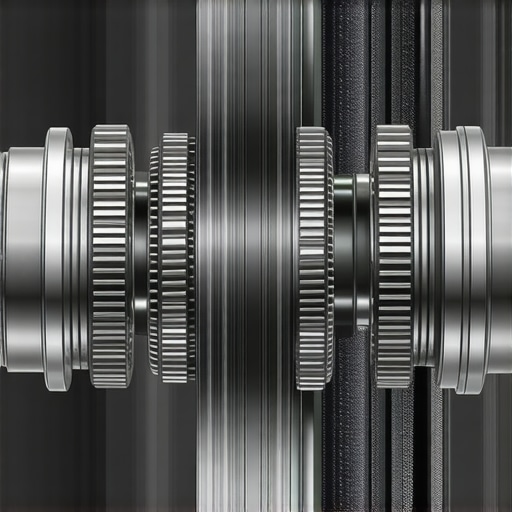
Ever been cruising down the highway, feeling the engine hum smoothly beneath your feet, and suddenly your transmission starts acting up? It’s like the car is playing a game of whack-a-mole—grabbing gears, slipping, or hunting for the right one. I remember the first time I experienced this frustration; I was just trying to enjoy a peaceful drive, but my vehicle was anything but cooperative. That lightbulb moment made me realize how critical it is to diagnose and understand what’s happening under the hood.
Why Your Transmission Might Be Hunting for Gears
Imagine you’re on a long road trip, the cruise control is set, and everything feels fine—until suddenly, your transmission begins to hunt for gears at cruising speeds. That unsettling feeling can stem from several causes: low transmission fluid, worn clutches, or even internal sensor issues. Noticing this behavior early is crucial because, as vehicle experts warn, a slipping or hunting transmission can lead to more severe damage and costly repairs if left unchecked. According to a study by RepairPal, transmission repairs can easily jump into the thousands, emphasizing the importance of timely diagnosis.
Have You Faced This Problem Before?
If you’ve ever experienced such discomfort on your drives, you’re not alone. I made the mistake early on of dismissing these symptoms, thinking it was just a minor glitch. That was a costly error. Recognizing the signs and understanding the root cause can save you money and keep your vehicle running smoothly for years to come. Now, let’s delve into how you can diagnose this issue—the simple steps that can make a world of difference.
Feeling overwhelmed? Don’t worry. I’ll guide you through the process so you can identify whether your transmission needs professional attention or if it’s something you can handle yourself. Ready to take charge of your car’s health? Let’s get started with some basic checks to pinpoint the problem.
Check Transmission Fluid Levels and Condition
Start by ensuring your transmission fluid is at the correct level and in good condition. Park your vehicle on a level surface, apply the parking brake, and locate the transmission dipstick—typically near the engine. Pull out the dipstick, wipe it clean, reinsert, and then remove to check the level and color. If it’s low, top it up with the recommended fluid. If the fluid appears dark or burnt, it might be time for a fluid change, which can significantly improve transmission behavior; for detailed guidance, visit essential car service checks.
Test for Slipping While Driving
Accelerate gradually to a steady speed and observe if the transmission shifts smoothly or feels like it’s slipping or hunting for gears. During this test, pay attention to any hesitation or unusual sounds. If you notice jerking or RPM spikes without corresponding vehicle speed changes, it indicates potential internal issues. This hands-on test is crucial—remember, I once ignored subtle signs during a road trip, which later led to expensive repairs. The next step involves verifying sensor signals that inform the transmission control module.
Use a Diagnostic Scanner to Read Codes
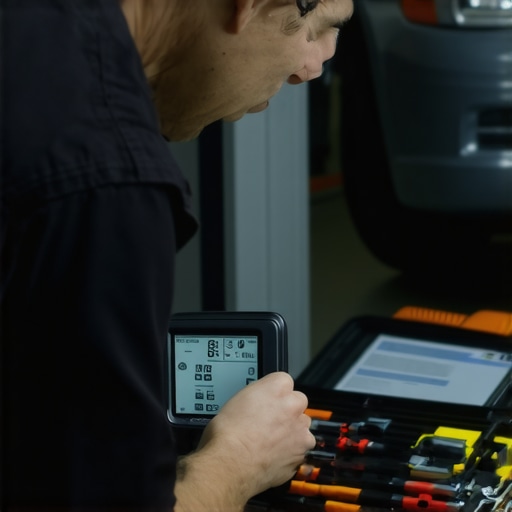
Connect an OBD-II scanner to your vehicle’s port—usually located under the dashboard—and turn on the ignition. Read any stored trouble codes, which can pinpoint specific problems like sensor malfunctions or solenoid issues. Codes related to transmission control are common in these cases. For a comprehensive guide on auto diagnostics, check auto repair guide. If new codes appear or existing ones are unresolved, a professional inspection might be necessary, but some fixes are achievable with basic tools.
Inspect Transmission Components Visually
Open the hood and examine visible parts like wiring harnesses, sensors, and solenoids connected to the transmission. Look for cracked or disconnected wires, corrosion, or leaks. Pay special attention to the wiring around the transmission solenoids—faulty wiring can cause erratic gear shifts. Using a flashlight helps reveal hidden issues. Personally, I once found a disconnected wire under the hood that, when reconnected, restored smooth shifting—saving me a costly repair. If the physical components appear intact, the problem might stem from internal transmission parts.
Evaluate Driving Conditions and Behavior
Note when the hunting occurs—only at certain speeds, during acceleration, or in specific modes like overdrive. Sometimes, transmission issues are linked to external factors like worn clutch plates or internal sensors. If the problem is intermittent, recording driving conditions can help a mechanic diagnose effectively. Remember, consistent symptoms across different driving modes suggest deeper issues that require professional consultation. When in doubt, get a professional opinion to prevent further damage.
Seek Professional Inspection and Repair
If the above steps point toward internal transmission wear or persistent issues, schedule a visit with a trusted auto repair shop. Experts can perform pressure tests, internal inspections, or even remove and rebuild the transmission if necessary. For reliable repair services, contact Collision Renewal. Acting swiftly prevents minor issues from escalating into complete transmission failure, which could leave you stranded. Remember, regular maintenance like fluid changes can prevent many of these problems, so stay proactive with your vehicle’s care.
Debunking the Myths: The Nuance Behind Car Repairs
Most car owners operate under common misconceptions that can lead to costly mistakes. For example, many believe that brake pads need replacing only when they squeal, but in truth, a silent pad can still be worn out, especially if the wear sensors haven’t triggered. Relying solely on symptoms without understanding how your vehicle’s systems actually work is a trap that can result in premature repairs or even safety hazards.
Are Brake Rotors Really The Culprit Behind Every Vibration?
It’s a widespread belief that a vibrating brake pedal always indicates warped rotors. However, uneven brake pad wear, caliper issues, or even contaminated brake fluid can also cause pulsation. According to experts at Collision Renewal, a comprehensive diagnosis is essential instead of jumping straight to rotor replacement, saving you money and ensuring safety.
Transmissions: The Overlooked Complex System
Many assume that transmission problems are always due to low fluid or simple wear and tear. While fluid quality is crucial, advanced transmissions rely heavily on electronic sensors and solenoids that can malfunction without obvious symptoms. A misconception here is that old fluid is the sole cause of slipping or hunting gears, but internal sensor calibration issues often go unnoticed. For in-depth insights on maintaining long-term transmission health, check Top Transmission Repair Tips.
Common Pitfalls in Routine Car Servicing
Many drivers stick to the idea that minimal maintenance is sufficient or that DIY fixes always suffice. But neglecting scheduled services like oil changes, transmission fluid replacements, or brake inspections can silently degrade vehicle reliability. The trap lies in believing that a quick fix or ignoring small signs won’t hurt, whereas preventive measures backed by professional assessments prevent expensive repairs later. Regularly consulting experts, as outlined in Essential Car Service Checks, ensures longevity.
How Do Advanced Diagnostics Seemingly Overcomplicate Repairs?
This is a question many advanced-minded car enthusiasts ask. Modern vehicles are equipped with interconnected sensors and modules; understanding their nuances is key for accurate diagnosis. An educated mechanic will interpret code errors not as isolated issues but as part of the broader system. For example, a single code related to transmission sensors might be masking a deeper internal fault, which requires specialized testing. Relying solely on OBD scans without professional insight can mislead you into unnecessary repairs or overlook critical problems. The secret is knowing when to trust diagnostic tools and when to seek expert evaluation.
In conclusion, recognizing the hidden nuances and misconceptions in car service allows you to approach repairs strategically, saving money and ensuring safety. Next time you hear about brake pads or transmission concerns, remember that a deeper understanding and professional guidance are essential. Have you ever fallen into this trap? Let me know in the comments and share your experiences!
Maintaining your vehicle’s performance over time requires more than just basic oil changes and tire rotations. Investing in the right tools and adopting systematic methods can extend your car’s lifespan, improve safety, and save you money on repairs. As someone who has spent years troubleshooting and repairing cars, I can confidently recommend specific equipment that streamlines maintenance and guarantees long-term reliability.
High-Quality Diagnostic Scanners for Peace of Mind
One indispensable tool I rely on is a professional-grade OBD-II scanner like the BlueDriver. Unlike basic code readers, this device provides detailed diagnostics, live data, and compatibilities with smartphone apps, making it accessible even for DIY enthusiasts. I use it regularly to monitor sensor health and catch potential issues like transmission slipping before they escalate. The ability to review live engine data helps me determine whether problems are mechanical or electronic, especially when interpretative insights from the device support deeper troubleshooting.
Reliable Multimeters and Testing Equipment
A digital multimeter is essential for diagnosing electrical issues such as voltage drops or faulty sensors. I prefer one with auto-ranging capabilities and a non-contact voltage tester, like the Klein Tools MM400, which enhances safety and accuracy. For example, testing the battery and alternator output becomes quick and conclusive, ensuring your electrical system remains healthy and preventing unexpected breakdowns.
Fluid Testing Kits and Maintenance Supplies
Regularly checking transmission fluid and coolant quality is crucial. I recommend a transparent, easy-to-use test strip kit from Valvoline that provides quick readings of fluid condition, helping you decide when to flush or top up. As a bonus, changing transmission fluid at the recommended intervals, informed by these tests, preserves gear engagement and prevents slipping, aligning with advice found in top transmission repair tips.
Power Tools for Do-It-Yourself Repairs
Investing in quality cordless impact wrenches like the DeWalt DCF899 has transformed my approach to brake and suspension maintenance. These tools significantly reduce effort and time, enabling quick wheel removals, brake pad changes, and even suspension repairs. For precise work, I use a torque wrench with digital calibration to avoid over-tightening—crucial for safe and effective repairs. Proper torque application, as recommended in braking service guidelines, ensures components remain secure without damage.
Embracing Future Trends in Car Maintenance
The automotive industry is moving toward integrated diagnostic systems and artificial intelligence-driven analytics. In the future, maintenance will become more predictive, with vehicles alerting owners about component health before issues arise. Technologies like cloud-connected sensors and advanced telematics are already making this possible, reducing the scope of unexpected breakdowns and costly repairs. As a seasoned DIYer, embracing these innovations now—by investing in compatible tools and learning to interpret data—positions you ahead of the curve. For ongoing updates, keep an eye on restoration strategies.
How do I maintain my car’s systems over time?
The key is consistent, proactive care. Regularly scheduling oil and fluid checks, using diagnostic tools to monitor electronic health, and employing quality repair equipment like impact wrenches and torque drivers keep your car running efficiently. Don’t forget to follow manufacturer-recommended service intervals and consult credible sources for guidance. Remember, a well-maintained vehicle not only performs better but also preserves its resale value and safety. Why not try out a professional-grade diagnostic scanner today? It’s a small investment that pays off by catching issues early and giving you peace of mind on the road.
Lessons That Transformed My Car Maintenance Approach
- Realized that trusting a quick fix can sometimes hide deeper issues, leading to costly repairs later—patience and thorough diagnostics save money in the long run.
- Discovered that regular and proactive maintenance, like fluid checks and visual inspections, empower you to catch problems before they escalate, turning you into your own mechanic ally.
- Understood the importance of questioning assumptions—such as believing only worn-out parts cause transmission hunting—which opened the door to exploring electronic and sensor-related faults.
- Learned that investing in quality diagnostic tools and testing equipment can drastically reduce reliance on guesswork, making DIY repairs both feasible and rewarding.
- Found that understanding the interconnectedness of vehicle systems transforms frustration into confidence, allowing you to troubleshoot effectively and communicate better with professionals.
Tools and Resources That Keep Me Ahead of Problems
- BlueDriver OBD-II Scanner: Its detailed diagnostics and live data views help me identify issues early and prevent breakdowns, effectively merging tech and intuition.
- Klein Tools MM400 Multimeter: Reliable electrical testing allows me to verify sensor signals and wiring health, saving time and guesswork during troubleshooting.
- Valvoline Transmission Fluid Testing Kits: Easy-to-use strips inform my maintenance schedule, ensuring fluid quality and prolonging transmission life.
- DeWalt DCF899 Impact Wrench: Speeding up maintenance tasks like brake replacements makes routine fixing less daunting and more precise.