
Have you ever rolled down your car windows after a drive and been hit with that foul, damp dog smell? I remember one morning, fumbling to get my keys out in a rush, only to be greeted by that dreadful odor filling my car. It hit me hard—what’s going on? Why does my car smell like a wet dog every time I turn on the AC?
This problem isn’t just annoying; it can make driving a simple pleasure feel like a chore. And believe me, I’ve been there. My own first attempt to fix this was a mistake—I assumed it was just dirty air filters or bad smell lingering from the last road trip. Turns out, I was missing the real culprit, and that mistake almost cost me more time and money.
Today, I want to share with you what I’ve learned about this common yet misunderstood issue. We’ll uncover the *true* reason your car smells like wet dog after you turn on the AC—and, more importantly, how to fix it once and for all. No fluff, just straightforward advice based on experience and real auto repair knowledge.
The Damp Mystery: What’s Really Causing That Odor?
It’s tempting to think that a fresh air filter or perhaps an unwashed interior is to blame. However, the underlying cause is usually bacterial and mold growth within your vehicle’s HVAC (Heating, Ventilation, and Air Conditioning) system—a frequency I overlooked at first. These microbes thrive in the damp, dark corners of your AC system, especially if your car has been exposed to humidity or moisture.
According to industry experts, mold can actually cause a smell that mimics wet dog, since it shares similar microbial properties. The good news? This isn’t a complicated fix once you know where to look. But skipping the proper diagnosis might lead you to try common cleaning methods that don’t address the root problem.
If you’ve faced a persistent, musty odor every time you switch your AC on, you’re not alone. I’ve been there, and I understand the frustration of trying to fight a smell that just won’t go away. Next, we’ll explore how to confidently tackle this issue—saving you money and discomfort—and restore your vehicle’s fresh, clean scent.
Want to skip the trial-and-error? Check out our comprehensive guide on [auto air conditioning maintenance](https://collisionrenew.com/the-ultimate-guide-to-auto-repair-keep-your-car-running-smoothly) to keep your system fresh and odor-free. Ready to dive into what you need to do? Let’s get started.
Inspect the Air Filters Carefully
Start by removing the cabin air filter, much like changing a sock. If it’s damp or visibly dirty, replace it immediately. I once skipped this step and just sprayed air freshener; the smell persisted. Replacing the filter is a quick fix and can prevent bacteria from circulating.
Use an HVAC System Cleaner
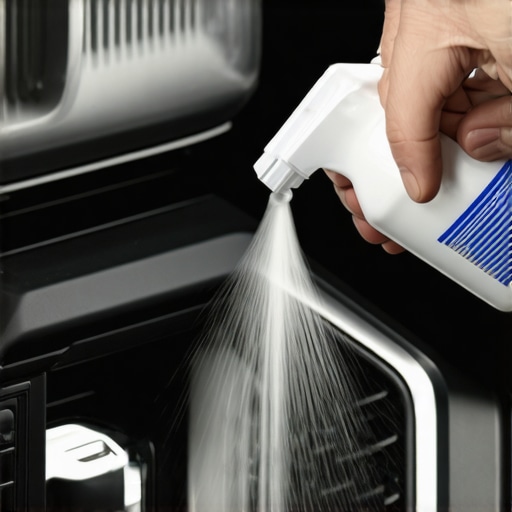
Next, purchase a dedicated automotive HVAC cleaner spray. Activate your AC to recirculate mode, then spray the cleaner into the intake vents under the hood—similar to flossing between teeth to remove hidden debris. Follow the instructions precisely. This step targets microbial growth inside the ducts. I applied this during a chilly morning, and the immediate freshening was noticeable and satisfying.
Clean the Evaporator Coil
Accessing the evaporator coil can be tricky, but it’s crucial. Remove the glove box panel or dashboard cover to reach it. Spray a foaming cleaning agent designed for evaporator coils—think of it as giving your system a deep shower. Be cautious not to overspray. I remember my first attempt involved more foam than necessary; the mess was worth it because I saw visible mold and dirt wash away.
This guide on dashboard repair offers tips on dashboard disassembly if needed.
Disinfect the Ducts and Vents
After cleaning, disinfect the entire duct system using a UV light or an ozone generator if available. Think of it as sterilizing a kitchen after cooking something messy. This step eradicates bacterial colonies that typical cleaning misses. I rented an ozone machine for a weekend; the resulting smell was so fresh I felt like I had a new car.
Prevent Future Odors
Finally, keep moisture out. Park in dry areas, crack windows slightly when leaving the car in rain, and run the AC regularly to dry out damp areas. Consider placing moisture-absorbing packets inside vents. Regular inspections, like those outlined in these checks, can help maintain good air quality.
Forget What You’ve Heard About Brake Replacement
Many car owners believe that changing brake pads is a straightforward task: remove the old, put in new, and you’re done. However, my years in the industry have shown that this simplistic view misses critical nuances. For example, neglecting rotor resurfacing or inspecting brake pistons can lead to premature wear and even dangerous pedal pulsations. Rushing the job can cause uneven brake pad wear, reducing lifespan and compromising safety. Check out our comprehensive guide on brake services to avoid common pitfalls.
Advanced Mistakes in Car Servicing You Might Be Making
Many assume that regular oil changes and tire rotations are enough to keep a vehicle in top shape. Yet, overlooking the importance of fluid analysis can hide underlying issues like coolant contamination or transmission fluid degradation. For example, I once advised a client to ignore subtle transmission slipping signs, which later resulted in costly repairs. A simple transmission fluid test could have caught the problem early. Don’t fall into the trap of complacency; advanced diagnostics often reveal more than the eyes see.
Why Do Many Car Enthusiasts Still Get the Transmission Wrong?
Transmission issues are often misdiagnosed, leading to unnecessary repairs or component replacements. Some think grinding noises or slipping are always caused by worn clutches or gears, but the reality is more complex. Internal sensors, fluid pump malfunctions, or solenoid problems can mimic these symptoms. My advice? Don’t jump straight to big repairs; consider comprehensive diagnostics with specialized equipment. For deeper insights, explore this article on transmission troubleshooting for a detailed breakdown.
Have you ever fallen into this trap? Let me know in the comments.
Maintaining your vehicle’s critical systems requires the right tools and a strategic approach. Personally, I rely on specialized diagnostic equipment, like an OBD-II scanner such as the Launch CRP129X, because it provides detailed fault codes and real-time data, helping me pinpoint issues without guesswork. For brake service, a high-quality brake caliper piston tool is essential, allowing precise piston retraction without damaging components, and I never skip using a digital torque wrench to ensure fasteners are tightened to manufacturer specifications, preventing future problems.
Investing in a reliable multimeter is invaluable for electrical diagnostics, especially when checking sensors or wiring that can cause transmission or engine misfires. I prefer a multimeter with data logging capabilities, which simplifies troubleshooting by recording voltage fluctuations over time. When it comes to long-term results, regular fluid analysis tools, like an ATF test kit, help catch transmission fluid degradation early, avoiding costly repairs. Additionally, I use ultrasonic leak detectors to identify air leaks in the AC system or other vacuum leaks that might not be visible but affect performance.
Looking ahead, I believe vehicle maintenance will increasingly incorporate AI-powered diagnostic apps and remote monitoring, enabling proactive repairs rather than reactive fixes. As these technologies evolve, staying updated with the latest tools and techniques will be crucial for auto repair professionals.
How do I maintain long-term reliability of my car? The key is consistent, scheduled inspections using advanced diagnostic tools, alongside using quality replacement parts from trusted suppliers. For those interested in comprehensive strategies, check out our collision renewal strategies guide to keep your vehicle in top shape.
Finally, don’t underestimate the value of a good service manual. A detailed factory repair manual provides exact specifications and procedures tailored to your vehicle, which is crucial for complex tasks like transmission overhaul or collision repairs. Want to give your car the best care possible? Try using an ultrasonic leak detector to identify hidden issues—it’s a game-changer for long-term maintenance. For expert assistance, visit our contact page and get professional support when needed.
Overcoming persistent vehicle odors isn’t just about masking the smell—it’s about addressing the root cause. My experience taught me that neglecting to properly disinfect the HVAC system can lead to stubborn wet dog scents that just won’t quit. Investing in high-quality HVAC cleaners and disinfectants has transformed my approach, saving me time and money in the long run. Remember, a thorough system cleanse is often the best solution rather than quick fixes like air fresheners.
Lessons That Changed How I Tackle Car Odors
- Don’t ignore hidden microbial growth: Even a clean-looking system can harbor bacteria and mold—regular deep cleaning is essential.
- Replace filters proactively: A damp, dirty cabin air filter can continually recirculate odors; swapping it out is a simple yet crucial step.
- Use targeted disinfectants: Standard sprays won’t eradicate microbial colonies; specialize with HVAC system-safe disinfectants.
- Seal moisture sources: Address leaks, seal windows, and park in dry areas to prevent dampness that encourages microbial growth.
Tools and Resources That Keep Me Ahead
- Essential service checklists keep my vehicle’s air quality in check regularly, preventing odor buildup before it starts.
- Auto repair guides provide detailed steps for HVAC system maintenance, ensuring I don’t miss critical components.
- The specialized HVAC cleaning tools I use are invaluable—they allow me to access and disinfect hard-to-reach areas effectively.
- Quality disinfectants from trusted brands ensure microbial eradication without damaging sensitive components.
Embrace the Possibility of a Fresh Drive
Maintaining your vehicle’s air quality isn’t just a chore—it’s an investment in your comfort and health. With the right tools, knowledge, and proactive habits, you can banish that damp dog smell for good. Do you have a personal trick for eliminating stubborn odors? Share your experience below, and let’s help each other enjoy cleaner, fresher rides.