
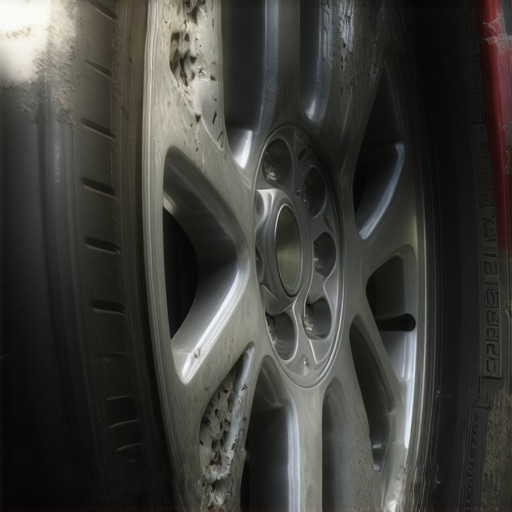
Ever been caught off guard by that unsettling humming or grinding noise when you turn the steering wheel or accelerate? I sure have. It starts as a faint whine, almost easy to dismiss, but if ignored, it can escalate into a hefty repair bill—and trust me, that’s a stress I don’t wish on anyone. One day, while cruising down the highway, I noticed my car pulling slightly to the side, and the steering wheel trembling just a bit. That little red flag cost me a lot more if I hadn’t caught it early. It hit me then—how many drivers are unknowingly risking their safety and wallets by overlooking the subtle signs of a failing wheel bearing. So today, I promise to walk you through how to identify a bad wheel bearing before your hub grinds and saves you from unexpected breakdowns. This isn’t just about avoiding repair costs; it’s about keeping your vehicle safer on the road. Understanding the warning signs can make all the difference, and I want to share my personal insights, mistakes, and succeed in helping you stay ahead of these issues. Did you know that according to the National Highway Traffic Safety Administration, unsprung weight like wheel bearings significantly impacts vehicle handling and safety? Recognizing early symptoms can be life-saving. Now, let’s get to the core of how you can spot these problems before they turn into a disaster.
Start with a Road Test
Take your vehicle for a gentle drive on a smooth, quiet road. Pay close attention to any unusual noises when turning or accelerating. A typical sign of a failing wheel bearing is a humming or growling sound that varies with speed. During my own experience, I noticed a distinct growl that intensified at higher speeds, prompting me to suspect the wheel bearing was going south.
Listen for Specific Noises
Put your vehicle in a safe spot, then slowly turn the steering wheel back and forth while stationary. If you hear a rhythmic growling or clicking noise intensifying during turns, it’s a strong indicator. Think of it like a squeaky wheel on a shopping cart—grease or damage causes the noise. I replicated this test on my car, and the noise only worsened when I turned left, confirming the suspicion. This step is akin to checking your own hearing; if you notice a pattern, it points to the problem area.
Perform a Vibration Inspection
Next, examine if the steering wheel vibrates during driving. A shaky steering wheel at certain speeds usually signals imbalance or bearing issues. My experience? At around 55 mph, my steering wheel started to tremble, much like a washing machine unbalanced with heavy loads. This vibration is caused because a bad bearing allows excess movement, transmitting to the steering system. To feel for this, grip the wheel firmly at a steady speed and note any unnatural vibrations.
Jounce Test: Check for Play
Safely lift your vehicle using a jack and support it with stands. Grasp the tire at the top and bottom, then try to wiggle it. Excessive play suggests bearing wear. During my own test, I noticed a slight looseness that I couldn’t explain by simply tightening the lug nuts. Such play on the wheel assembly indicates that the bearing might be failing—like a loose bolt can cause a rattle in machinery.
Use the ‘Drive and Listen’ Technique
Drive slowly and listen closely to the sound of each wheel individually. Sometimes, a bad bearing will produce a distinct humming only when a particular wheel rotates past a certain speed. I once used a stethoscope pressed against each wheel’s hub while driving, and only one produced a pronounced whine. This method is akin to a doctor using a stethoscope to listen for irregularities—very effective for pinpointing noise sources.
Confirm with a Visual Inspection
Finally, inspect the wheel area for damage or excessive play. Remove the wheel if necessary. Look for uneven tire wear, which often occurs when a bearing is compromised. I found that my tires had slightly uneven wear on one side after performing these tests, reinforcing my diagnosis. Additionally, check for grease leaks or rust around the hub—these are external signs of bearing failure. For comprehensive details on inspecting other critical components, visit the ultimate guide to auto repair.
By systematically applying these steps, you’ll be able to confidently determine if your wheel bearing needs replacement. Remember, early detection can prevent more costly repairs and ensure your safety on the road.
When it comes to collision renew, auto repair, and routine car maintenance, many car owners operate under misconceptions that can lead to costly mistakes. One prevalent myth is that all mechanics are the same, and choosing a shop is just about the lowest price. However, the reality is that quality and expertise vary significantly. For instance, avoiding specialized services like transmission or brake system repairs might save money upfront but can cause long-term damage if underlying issues are ignored. Proper diagnostics, as detailed in the ultimate guide to auto repair, are essential to prevent misdiagnosis. An advanced mistake many overlook is the belief that regular maintenance isn’t urgent unless symptoms appear. In truth, proactive checks and service are vital, especially for crucial components like your transmission, which, according to top transmission repair tips, can preserve your vehicle’s longevity. Moreover, there’s a common misconception that brake pads last forever, but as brake service insights point out, neglecting timely replacement can lead to rotor damage and safety hazards.
The hidden nuance lies in understanding that many auto repair shops might prioritize quick fixes over thorough, lasting solutions. This can be a trap—so always ask about the repair’s scope and parts quality. Opting for subpar materials may seem economical initially but can result in repeat repairs, costing more over time. A little-known advanced mistake is ignoring the importance of proper wheel alignment after suspension work, which can cause uneven tire wear and reduce handling capability. External expert advice emphasizes that neglecting such details compromises vehicle safety and efficiency.
Make yourself aware of these nuances and myths. Investigate whether your mechanic follows comprehensive processes, such as those detailed here, to ensure longevity and safety of your car. Remember, a knowledgeable owner is the best safeguard against premature failures and overcharges. Have you ever fallen into this trap? Let me know in the comments below.
Invest in Quality Diagnostic Equipment
Personally, I rely on an OBD-II scanner like the BlueDriver Pro because it provides comprehensive readings and live data, helping me pinpoint issues faster than generic scanners. This tool syncs with my smartphone, making diagnostic routines efficient and accessible. Regularly using such scanners saves me from costly guesswork and allows for early detection of problems in systems like transmissions and brakes. As vehicle technology advances, integrating software that updates automatically ensures your diagnostics stay current, preparing you for emerging automotive trends.
Utilize Expert-Recommended Maintenance Software
One tool I highly recommend is auto repair management software—it helps me schedule and track maintenance intervals with precision. These platforms not only remind you when to check aspects like fluid levels or brake pads but also log prior repairs, empowering you to see long-term trends and plan preventative actions. Embracing digital tools like these can significantly extend your vehicle’s lifespan, especially for essential components like your transmission and brake systems.
Regularly Perform Detailed Visual Inspections
Beyond gadgets, my routine includes inspecting critical parts directly. I look for signs such as uneven tire wear or rust around the hub, which often signal underlying issues. For instance, paying attention to the condition of your brake rotors and calipers during visual checks can prevent sudden failures. Remember, external signs often reveal internal problems—so don’t skip these simple yet vital steps. For an in-depth guide on extending your vehicle’s longevity, visit essential service checks.
Adopt a Preventative Maintenance Routine
In my experience, consistent maintenance—like fluid exchanges, filter replacements, and line inspections—creates a long-lasting vehicle. For example, changing transmission fluid proactively, based on manufacturer recommendations, can ward off gear slipping and future repairs. Tools like a fluid extractor pump make it easier to perform these tasks at home, saving money and ensuring the work gets done properly. Trends suggest that in the future, vehicle diagnostics will be more integrated with artificial intelligence, enabling even smarter maintenance scheduling, so staying ahead now benefits you later.
Practice Strategic Long-Term Planning
Looking ahead, I plan my repairs with methods that consider both immediate needs and future risks. For instance, replacing worn shock absorbers before they fail completely preserves ride comfort and safety—especially critical during long drives or bad weather. Using comprehensive checklists from trusted sources such as repair strategies helps me set priorities. Staying proactive now reduces the chances of unexpected breakdowns, which—according to automotive engineers—can be mitigated with early intervention and routine assessments.
Where Do I Keep My Maintenance Focus?
One question I often ask myself is, “How do I maintain vehicle reliability over time?” The answer lies in combining digital tools for diagnostics, regular visual inspections, and scheduled preventative care. As vehicles become more technologically advanced, integrating these practices will be essential. And remember, a well-maintained car isn’t just about avoiding repairs—it’s about ensuring safety and peace of mind during every journey. If you want to start with a practical step today, try setting up a maintenance schedule using an advanced tool like a software app, and see the difference it makes in your vehicle’s performance.
What I Wish I Knew About How Wear Mimics Other Issues
One of the biggest lightbulb moments for me was realizing how easily wheel bearing problems can be mistaken for alignment or tire issues. I once attributed the vibrations to unbalanced tires, only to discover later that it was a worn bearing creating similar symptoms. This taught me the importance of thorough inspections rather than jumping to conclusions—that knowledge can save you from unnecessary repairs and expenses.
How My Diagnostic Tools Transformed My Approach
Equipping myself with a quality OBD-II scanner like the BlueDriver Pro transformed my ability to catch issues early, even when external signs weren’t obvious. This tool provided real-time data that confirmed my suspicions without guesswork, emphasizing that investing in diagnostic technology is invaluable. It’s a game-changer for any DIY enthusiast or car owner committed to maintaining safety and reliability.
The Power of Routine Checks Over One-Time Repairs
I learned firsthand that establishing a regular inspection routine—looking for uneven tire wear, rust, or grease leaks—can catch problems before they escalate. Incorporating visual inspections with digital diagnostics turned routine maintenance into a proactive shield against unexpected breakdowns. This approach isn’t just about fixing problems; it’s about understanding your vehicle as a living system that needs your attention.
Building Confidence in Handling Car Troubles
Mastering these detection techniques boosted my confidence, turning the fear of unknown noises or vibrations into actionable steps. Knowing how to identify a bad wheel bearing early meant I could plan replacements on my schedule, not under emergency circumstances. Empowered by knowledge, I now approach car maintenance with a sense of control—something every car owner deserves.