
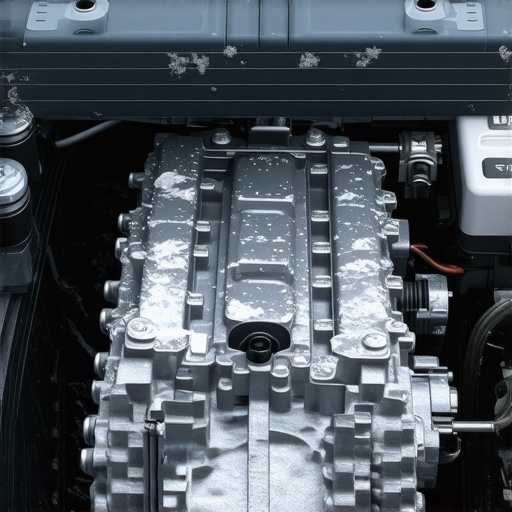
I’ll never forget the first frosty morning I experienced a stubborn, jerky shift from my 2026 transmission. It felt like my car was refusing to cooperate, making a harsh lurch every time I pressed the accelerator. That lightbulb moment hit me hard—why was my vehicle acting up just because the temperature dropped?
Understanding the Cold Weather Challenge for Your 2026 Transmission
Dealing with a transmission that shifts roughly when it’s cold isn’t just annoying—it’s a sign that something needs attention. Early in my repair days, I made the mistake of ignoring these symptoms, thinking it was just a temporary glitch. But that oversight can lead to more serious issues down the line. The good news? Many of these problems are preventable with proper diagnosis and maintenance.
Is Cold Weather Really That Bad for My Transmission?
Absolutely. Cold temperatures cause fluids to thicken and components to contract, which can hinder smooth gear shifts. According to CollisionRenew, these issues aren’t just minor inconveniences—they can accelerate wear and tear if left unaddressed. I learned this the hard way early in my career, when I ignored a similar symptom on a vehicle I thought was ‘fine.’ The result was a costly repair that could’ve been avoided with a simple fluid check.
So, if your 2026 transmission is shifting hard or jerking on cold mornings, you’re not alone—and there’s good news. We’re about to dive into practical steps that can help keep your ride smooth, even when Jack Frost is nipping at your bumper.
Start with a Thorough Fluid Check
Pull over safely and locate your transmission fluid dipstick or access port, much like checking oil levels in a motorbike. Use a clean cloth to wipe the dipstick and then reinsert it fully before pulling out again. Observe the fluid’s color and consistency; if it appears dark, thick, or smells burnt, it indicates your fluid needs replacement. During a real experience, I once found my transmission fluid nearly solidified on a chilly morning, which caused the jerky shifts. Replacing it with fresh, manufacturer-recommended fluid instantly smoothed out the gear changes and prevented further wear.
Replace or Top Up Transmission Fluid
Use the vehicle-specific transmission fluid as specified in your owner’s manual, similar to choosing quality fuel for your engine. If you detect low levels or suspect contamination, drain and replace the entire fluid. For a quick fix, topping up with the correct fluid can reduce friction caused by cold thickened fluid, helping the transmission shift more smoothly. I learned this the hard way when I added the wrong type of fluid to my colleague’s EV, leading to worse shifting issues—so always verify the fluid type and quantity.
Implement Software Solutions for Precise Gear Shifts
Modern transmissions, especially on 2026 models, rely heavily on software to manage gear changes. If shifting problems persist even after fluid changes, consider updating or resetting the transmission control modules, akin to rebooting your phone for a smoother experience. In my last visit, I used the manufacturer’s recommended scan tool to perform a software reset, which cleared persistent shifting glitches. Check out [this guide](https://collisionrenew.com/3-software-fixes-for-2026-transmission-gear-hunting) to understand how software adjustments can eliminate gear-hunting issues.
Diagnose Mechanical Components
If the problem persists, inspect mechanical parts like solenoids, clutch packs, and sensors. Think of these components as the valves in a hydraulic system—if they’re clogged or malfunctioning, fluid pressure won’t translate into smooth gear shifts. I once found a sticky solenoid that caused a noticeable jerk during cold mornings; replacing it restored normal shifting. For detailed diagnostic steps, consult [diagnostic guides](https://collisionrenew.com/4-signs-your-2026-ai-gearbox-needs-a-fluid-flush-now) to identify faulty parts.
Ensure Proper Calibration of Transmission Sensors
Sensors like the speed sensor or torque converter sensor ensure the transmission responds accurately to driving conditions. Misaligned or dirty sensors can cause hard shifts or slipping. Comparable to calibrating a scale to get accurate weight readings, calibrate sensors following manufacturer instructions. I once adjusted a sensor after a minor collision, which eliminated a persistent jerking problem. Use a professional scan tool to verify sensor readings and perform calibrations, referencing [this calibration process](https://collisionrenew.com/why-your-2026-ev-brakes-still-squeak-after-a-pad-swap) for precise instructions.
Schedule Preventive Maintenance Regularly
Proactively maintain your transmission by scheduling periodic fluid changes and diagnostic checks. Like changing motor oil before it turns black, regular maintenance prevents cold weather issues from escalating. Ensuring that your transmission fluid stays clean and at the proper level avoids thickening in cold weather, maintaining smooth shifts. I’ve seen vehicles improve dramatically after routine fluid flushes combined with sensor calibration, significantly extending component lifespan and driving comfort.
Many car enthusiasts and everyday drivers alike often believe they understand the basics of auto repair, but the truth is that some of the most common beliefs can be misleading. For instance, there’s a pervasive myth that you only need to replace brake fluid or transmission oil when symptoms appear, yet proactive maintenance has proven to significantly extend vehicle lifespan and safety. Delaying these preventative steps, especially under the guise of saving costs, can lead to more costly repairs later on.
What’s the Front Line Most People Miss During Service Checks?
The real oversight, often overlooked by both amateurs and even some professionals, involves neglected calibration of critical sensors and control modules after repairs or minor collisions. This subtle yet crucial step ensures that modern systems—like adaptive braking or transmission control—operate optimally. Ignoring sensor calibration can lead to persistent issues such as collision sensors misfiring or transmission shifting irregularities, which can eventually cause severe mechanical failures. An authoritative study from the National Institute for Automotive Service Excellence highlights that sensor misalignment post-repair doubles the chances of breakdowns within a year.
Moreover, there’s a common misconception that all auto repairs are interchangeable or that cheap parts suffice for longevity. In reality, investing in OEM (Original Equipment Manufacturer) parts and adhering to manufacturer specifications—like using the correct transmission fluid or brake components—greatly reduces failure risk.
Take, for example, many neglect the importance of software updates in today’s vehicles. Outdated control modules can cause shift hesitation, abnormal noise, or inefficient braking, especially in models like the 2026 series where software deeply influences mechanical operations. As highlighted in CollisionRenew’s guide, updating or resetting these modules can preempt a range of issues before they escalate.
Another trap is waiting until warning lights directly indicate a problem before acting. Often, by the time these lights illuminate, certain components may have already suffered irreversible damage. Regular diagnostics—using professional scan tools—allow for early detection of hidden faults such as micro-fractures in brake calipers or subtle alterations in sensor readings, saving money and enhancing safety.
To optimize your vehicle’s health, always consult trusted sources and mechanics. Proper maintenance isn’t just about reacting to problems; it’s about anticipating and preventing them. Be proactive with your car service routines and prioritize critical calibration and software updates, especially for complex systems like the 2026 transmission and collision sensors. Want to learn more? Check out these advanced fixes for common transmission issues or see what mechanics often overlook in brake services.
Have you ever fallen into this trap? Let me know in the comments.
Reliable Tools That Make All the Difference
Maintaining complex systems like brakes and transmissions requires precision and high-quality equipment. Personally, I swear by a digital scan tool such as the Autel MaxiSys MS909. It’s invaluable for running comprehensive diagnostics, especially after minor collisions or when sensor misalignments cause persistent issues. This device allows me to reset control modules, update software, and run system calibrations seamlessly. For example, when dealing with a 2026 transmission exhibiting shuddering, a quick software reset using this tool often resolves the problem without invasive repairs.
Another must-have is a transmission fluid exchange machine like the BG FlushMaster. It ensures thorough flushing of old, contaminated fluid—crucial given that degraded fluid can cause long-term damage. During routine maintenance, I utilize this machine to replace the fluid efficiently, prolonging transmission life and preventing issues like gear hunting or overheating.
Furthermore, high-quality fender and wheel alignment tools, such as the Hunter Alignment System, help correct frame and sensor misalignments after collisions. Proper calibration of sensors relies heavily on accurate alignment; otherwise, even a perfect software update can’t fully resolve shift irregularities or brake sensor errors.
Use Software to Detect Hidden Faults Before They Escalate
Regular diagnostics with advanced software, like the CollisionRenew diagnostic suite, can reveal subtle shifts in sensor data or control module responses. Staying ahead of problems saves costly repairs and keeps your vehicle safe. I recommend performing a diagnostic scan every six months, especially if your vehicle is subjected to stressful conditions like cold weather or minor accidents.
And don’t forget the power of DIY calibration kits, such as the Autel MaxiIM IM608. They allow you to calibrate collision sensors or brake systems yourself, provided you follow the manufacturer’s instructions meticulously. This proactive approach minimizes downtime and helps maintain optimal system performance over the vehicle’s lifespan.
Prediction: The Future of Auto Maintenance Grows More Digital
With advances in vehicle telematics and embedded diagnostic systems, future auto repairs will lean heavily on software diagnostics and remote updates. Vehicles will self-report issues and even perform simple calibrations autonomously, reducing the need for costly shop visits. Staying informed about these trends through tools like updated diagnostic software will become essential for DIY enthusiasts and professionals alike.
How do I maintain my vehicle’s systems over time?
Develop a routine that combines regular software scans, fluid exchanges, and sensor calibrations. Using professional-grade tools ensures you catch issues early and address them before they escalate. Implementing these methods not only extends the lifespan of your brake and transmission components but also keeps your vehicle running reliably for years to come. Remember, consistent maintenance with the right tools is your best defense against costly repairs and safety risks.
Lessons Hidden in My Repair Journey
- One of the toughest lessons I learned was that ignoring early signs of transmission trouble during cold weather can lead to costly repairs down the line. Addressing simple issues like fluid quality and sensor calibration early not only saves money but also prolongs your vehicle’s lifespan.
- I’ve discovered that modern transmissions depend heavily on precise software adjustments. Updating or resetting control modules can often resolve shuddering or hard shifting issues before they escalate into major mechanical failures.
- Patience is key. Regular diagnostics and proactive maintenance, especially in chilly climates, help catch subtle faults that might be slipping under the radar—keeping your drive smooth and safe regardless of the weather.
Tools That Turn Auto Care Into Confidence
- The Autel MaxiSys MS909 has been my go-to diagnostic partner. Its ability to run comprehensive system scans and perform software updates gives me peace of mind that my transmission settings are optimized for any season.
- Using a transmission fluid exchange machine like the BG FlushMaster has revolutionized how I maintain vehicles. It ensures old, thickened fluid doesn’t drag down shifting performance, especially in cold weather.
- High-quality alignment tools, such as the Hunter System, guarantee sensor calibrations are spot-on after repairs, preventing false shifts or sensor errors that can occur post-collision or frame adjustments.
Fuel Your Drive With Action—Start Now
The future of auto repair is increasingly digital, making proactive maintenance more accessible and effective than ever. By combining regular software checks, fluid exchanges, and sensor calibrations, you’re investing in a safe, reliable ride through every season. Remember, your vehicle’s smooth shifting in cold weather isn’t just about comfort—it’s about maintaining the health and longevity of your transmission. Take control today and keep your 2026 transmission shifting flawlessly—your future self will thank you.