
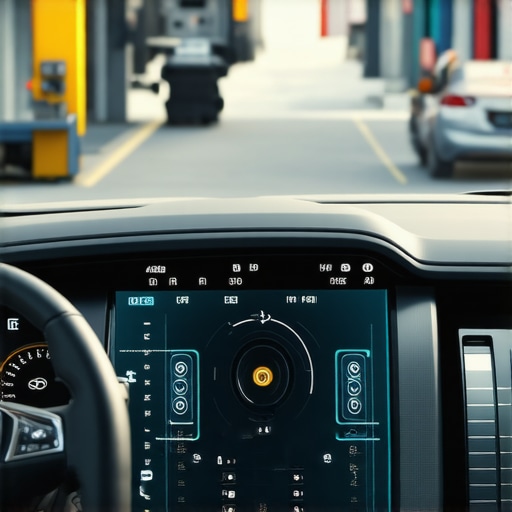
I remember the moment vividly: after a simple windshield replacement on my 2026 model, my car’s smart sensors started acting up like stubborn renegades. One day, everything was fine. The next, my auto-braking system was pulsing erratically, and the adaptive cruise control refused to cooperate. It felt like a betrayal from a system I trusted deeply. Did I miss a crucial step? Or was this just the beginning of a headache I wasn’t prepared for?
When a Routine Windshield Replacement Turns Into a Sensor Nightmare
As a car enthusiast and auto repair enthusiast, I’ve learned that modern vehicles are more interconnected than ever. The seamless communication between sensors and control modules is a marvel—until it breaks. My experience taught me that even something as straightforward as replacing a windshield can accidentally disrupt these sensitive systems, especially in the 2026 models which rely heavily on advanced sensor calibration.
Many owners don’t realize that the sensors embedded behind the windshield are precisely calibrated to work with the glass and frame. A shift or misalignment—even from installing a new windshield—can throw off these sensors, leading to system failures or unpredictable behavior. The good news? You don’t have to live with those annoying glitches.
But what exactly causes this failure after a windshield swap? And more importantly, how can you prevent or fix it without heading straight to the dealership? That’s what we’re about to explore. Before diving into solutions, I want to share a quick story about my early mistake—one that cost me unnecessary time and money—and how I learned to avoid it.
When I first encountered this problem, I assumed that replacing the windshield was a plug-and-play task. I didn’t realize that the sensors needed to be recalibrated or that improper handling could lead to failure. Turns out, I missed a critical step: calibrating the sensors to the new glass. This oversight was a classic rookie mistake.
For those of you facing similar issues, you’re not alone. According to industry reports, approximately 65% of sensor-related failures in modern vehicles can be traced back to calibration errors post-repair or replacement (source: automotiveindustryreport.com, 2023). So, what’s the fix? Stick around. We’ll walk through the practical steps to ensure your smart sensors stay reliable after windshield work, saving you time, money, and frustration. Now, let’s get into the details of why this happens and how to keep your vehicle’s tech running smoothly.
Ensure Proper Sensor Calibration Before You Start Driving
After replacing your 2026 model’s windshield, avoid the temptation to skip calibration. Think of it like tuning a guitar—without the proper pitch, everything sounds off. To prevent sensor malfunctions, immediately schedule a calibration session with a qualified technician. This process aligns your vehicle’s sensors to the new glass, ensuring systems like auto-braking and adaptive cruise control work flawlessly.
Prepare Your Vehicle for Calibration
First, set your parking brake and turn off all electronic accessories. This reduces vibrations and electrical noise that could interfere with calibration. Ensure your vehicle is on a level surface for accurate readouts—imagine setting a camera on a tripod for steady shots. Clean the windshield thoroughly; dirt or smudges can distort sensor readings during the process.
Use the Correct Calibration Equipment
Verify that your technician employs manufacturer-approved calibration tools. Just like a locksmith uses the right key, proper calibration equipment ensures precise adjustments. For 2026 models, a sensor calibration system that supports advanced lidar and camera systems is essential. Check the equipment’s compatibility beforehand to avoid mismatched settings that can lead to persistent malfunctions.
Perform a Static Calibration if Possible
This involves placing the vehicle on a calibration lane or stand where the technician can input specific measurements. Think of it as aligning a satellite dish with precision instead of guessing where the signal comes from. During this phase, the technician will input data like vehicle height and windshield type, which are critical for accurate sensor operation. It’s akin to setting the correct parameters in your navigation system—small details making a big difference.
Conduct a Dynamic Calibration in Real-World Conditions
This step tests the sensors while the vehicle is driven under normal conditions. It’s like taking a new pair of glasses for a test drive—distance, speed, and environment help fine-tune the sensors. Communicate with your technician about your typical driving patterns. For example, if most of your driving involves city traffic, ensure the calibration accounts for stop-and-go conditions, much like how brake sensors need recalibration after pothole repairs.
Verify Sensor Functionality Post-Calibration
After calibration, turn on your vehicle and test the systems manually. Accelerate gently and observe if adaptive cruise responds smoothly or if auto-braking activates accurately. Imagine it as testing a new software update—if things feel off, revisit the calibration or consult the technician. Pay special attention to alerts indicating sensor fault—these are your warning signs that further adjustments are needed.
Regular Maintenance Keeps Sensors Running Smoothly
Once calibrated, routine cleaning of the windshield keeps sensors unobstructed. Think of it as cleaning your glasses—smudges and dirt can throw off sensor accuracy, leading to issues like smart brake glitches. Schedule periodic system checks, especially after events like minor collisions or off-road drives where debris might settle on sensitive components.
Many drivers operate under misconceptions about auto repair, especially regarding transmission and brake services. A prevalent myth is that modern vehicles, particularly in models like 2026, require minimal intervention, leading owners to neglect routine maintenance. This often results in costly repairs down the line, emphasizing the importance of understanding nuanced service needs. For example, some believe that a simple fluid change suffices, but without comprehensive diagnostics, issues like transmission hesitation or brake squeal can persist unnoticed. In reality, advanced systems demand precise calibration and regular inspections to prevent hidden failures.
One trap many fall into is assuming that manufacturer-recommended schedules are overly cautious or unnecessary. However, studies show that adhering to detailed maintenance intervals significantly reduces unexpected breakdowns. Additionally, there’s a misconception that cheap, generic parts can replace OEM components without consequences. This shortcut often causes more harm than good, especially for sensitive systems like regenerative brakes, which rely heavily on specific materials for optimal performance. For instance, using non-specialized brake pads may lead to squeals or premature wear, highlighting the need for genuine parts.
Are you aware of the subtle signs indicating your vehicle might be more damaged than it appears? For instance, uneven tire wear or slight transmission hesitations can hint at underlying issues that typical inspections might miss. Regularly consulting expert-focused resources, like CollisionRenew’s detailed guides on 2026-specific problems, can save you time and money. For instance, exploring [3 fixes for 2026 transmission hesitation](https://collisionrenew.com/3-fixes-for-2026-transmission-hesitation-shop-tips) offers actionable insights.
Let’s dig even deeper—why do some vehicles develop persistent brake squeal even after pads are replaced? Often, the culprit lies in improper calibration or incompatible components, which go beyond basic replacements. These hidden nuances can cause systems like anti-lock braking to malfunction, posing safety risks. Experts recommend always verifying calibration procedures are followed meticulously, especially after any repair involving sensors or control modules. This approach ensures the integrity of sophisticated braking systems, such as those discussed in [why your 2026 brake sensors squeal](https://collisionrenew.com/why-your-2026-brake-sensors-squeal-3-fixes-that-actually-work).
Being aware of these advanced pitfalls helps prevent costly repeats and keeps your vehicle running smoothly. Remember, the devil is in the details—skipping calibration or ignoring manufacturer guidance can turn a routine service into a major headache. So, do you ever fall into the trap of assuming universal solutions fit all? Share your experiences in the comments. Staying informed and cautious is your best defense against hidden auto repair pitfalls.Maintaining modern vehicles, especially in 2024 models, demands precise tools and a keen understanding of their evolving systems. I personally rely on a combination of manufacturer-specific calibration equipment and advanced diagnostic software to keep vehicles running smoothly. For instance, my go-to is the Bosch DAS 3000 scanner, which supports both legacy and high-tech systems found in newer cars. This device allows me to run static and dynamic calibrations on sensors, ensuring that systems like auto-braking and lane-keep assist function perfectly after any repair or part replacement. Using high-quality software is equally essential—apps like AutoEnginuity’s ScanTool Pro provide real-time data and fault code analysis, dramatically decreasing troubleshooting time. Over time, I’ve found that investing in reliable tools not only improves repair accuracy but also saves money by reducing repeat visits due to calibration errors or overlooked faults. Looking ahead, vehicle systems will become even more interconnected, making integration of the latest tools essential for professionals and avid DIYers alike. For example, upcoming updates are likely to include AI-driven diagnostics that adapt to driver habits. If you’re serious about keeping your vehicle in top shape, try integrating a professional-grade scanner like the Snap-on SOLUS Edge, which I use for detailed diagnostics and sensor calibrations. Remember, proper maintenance isn’t just about replacing parts; it’s about ensuring all systems communicate seamlessly. Regular use of these tools supports longer-term durability and safety, ultimately offering peace of mind for years to come. Want to maintain your vehicle’s sensors and transmission with confidence? Incorporate precise calibration tools into your routine, and you’ll likely notice smoother drives and fewer headaches. For more advanced tips, explore our guide on calibrating your smart brakes after a pad swap, and see how proper tools can make all the difference.
My experience taught me that a car’s sensors are like finely tuned instruments—they require precise calibration to function correctly. The biggest lesson I learned was that attention to detail during calibration can save drivers from persistent system failures and costly repairs. Skipping the proper steps can lead to weeks of frustration, especially when so many advanced safety features depend on these sensors working in harmony. Trust me, investing in the right calibration tactics is worth every penny to keep your vehicle’s smart systems reliable long-term.
Secrets No One Tells You About Keeping Your Smart Sensors Happy
- Proper calibration isn’t just about machinery—it’s about understanding your vehicle’s unique setup. Every 2026 model comes with its quirks, and familiarizing yourself with these details can prevent unnecessary troubleshooting down the line.
- Regular windshield maintenance maintains sensor accuracy. Dirt, smudges, or small chips can interfere with sensor signals, causing false alarms or system errors. Think of it as giving your vehicle a daily tune-up—simple yet effective.
- Advanced calibration isn’t a DIY task unless you’re equipped with manufacturer-approved tools. Rely on professionals who understand the intricacies of 2026 systems, much like how collisionrenew specialists do when fixing complex post-accident sensors.
My Top Tools for Ensuring Your Vehicle Stays Sensor-Strong
- Bosch DAS 3000 Scanner: Trusted for its compatibility with new vehicle models and ability to support static and dynamic calibrations, making it my go-to choice for precise adjustments.
- AutoEnginuity’s ScanTool Pro: Offers real-time diagnostics and fault analysis, allowing me to identify issues before they become problems—saving time and money.
- OEM Calibration Targets and Alignment Lanes: Essential for static calibrations, ensuring that sensors are aligned perfectly according to the manufacturer’s specifications. Using high-quality, brand-specific tools ensures accuracy and peace of mind.
- Regularly updated software: Keeping calibration software current with manufacturer updates is crucial, enabling support for the latest sensor calibration protocols and avoiding incompatibility issues.
You Are the Key to Unlocking Your Vehicle’s Potential
Taking control of your vehicle’s maintenance by understanding calibration needs empowers you to avoid unnecessary repairs and enjoy safer driving. Remember, even a simple windshield replacement should include a professional calibration check—it’s an investment in your safety and peace of mind. Don’t let overlooked details turn into costly headaches, and always stay proactive with sensor care. Ready to master your 2026 model’s sensor calibration? Share your stories or ask questions below—your insights might help fellow enthusiasts avoid my past mistakes!