
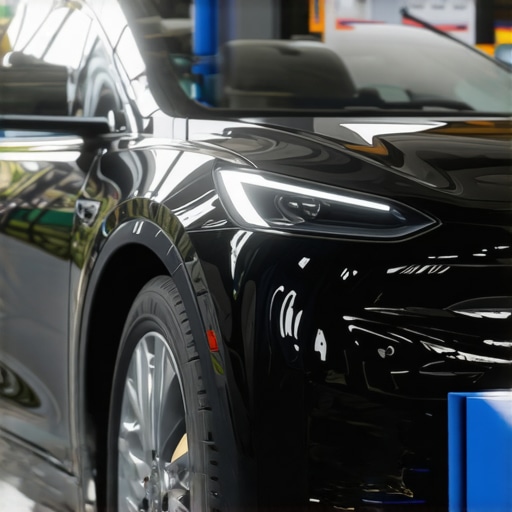
I remember the moment perfectly. I was pulling into my driveway after a quick errand when I noticed it — a small dent right on the side of my electric vehicle’s frame. At first, I thought, “No big deal, it’s just a little ding.” But then I learned that for 2026 EVs, even minor dents could lead to unexpectedly high repair costs. Suddenly, that tiny blemish felt like a ticking financial time bomb.
Understanding the Real Cost of Frame Dents in 2026 EVs
As someone who’s deeply into auto repair, I’ve seen how the industry is evolving, especially with newer models. The 2026 EVs come with advanced frame materials and integrated sensor systems that make repairs more complex—and more expensive. Why? Well, the collisionrenew fix isn’t just about surface repairs anymore. It involves meticulous recalibration of sensors, electronics, and structural elements.
Think about it. A dent isn’t just a cosmetic issue; it can compromise the vehicle’s safety systems and overall integrity. When I first made that mistake of ignoring a small dent, I ended up facing costly sensor recalibrations and even had to replace some fragile components. This experience taught me a vital lesson—early intervention is crucial.
For those wondering about just how much more these repairs can cost, studies indicate that frame repairs for 2026 EVs are up to 30% more expensive compared to previous models, primarily due to the complexity of the materials and tech involved. And because insurance typically covers only part of the repair, the financial burden can be quite significant.
Feeling overwhelmed? You’re not alone. Many owners underestimate the importance of proper collision repairs in the new era of electric vehicle technology. But here’s the good news—knowing what to look for can save you a lot of trouble.
If you’ve recently faced a minor ding or dent, I urge you to consider professional assessment sooner rather than later. Trust me, what seems like a small cosmetic issue today could turn into a costly repair tomorrow. Want to learn how to navigate these tricky repairs? Keep reading for practical, proven solutions to keep those repair costs in check and your EV running smoothly.
Is Falling for the Costly Frame Repair Trap Actually Worth It?
Early on, I made the mistake of thinking I could handle the dent myself—typical DIY enthusiasm. But I quickly realized that without proper calibration tools, I was only making the problem worse. So, why is it so tricky? Well, the calibration process involves precise adjustments of advanced sensors and structural components, which most DIY kits simply can’t handle.
To avoid repeating my mistake, I recommend consulting with professionals who understand the particulars of 2026 EV frames. For more insights on hidden damages that might turn up after a minor collision, check out [this article on frame stress points](https://collisionrenew.com/3-hidden-frame-stress-points-collisionrenew-found-in-2026). It’s a game-changer.
Now that we’ve set the groundwork, let’s dive into how you can spot potential damage early on and prevent those costly repairs from sneaking up on you.
Inspect the Damage Thoroughly
Begin with a careful visual assessment of the dent and surrounding areas. Use a flashlight at different angles to identify any hidden cracks or stress points. Remember, a superficial look can miss underlying frame damage that might compromise safety. I once skipped this step after a minor bump and later faced costly sensor recalibrations. Take your time—it’s worth every minute.
Run a Calibration Check of Sensors and Electronics
After identifying the dent, verify if your vehicle’s sensors or electronic components show errors. Use the vehicle’s diagnostic scanner or professional tools to perform a quick check. If you notice discrepancies, consult a technician experienced with sensor calibration. Trying to fix advanced electronics without proper tools can lead to further damage and higher costs later.
Secure the Vehicle Before Any Repair
Park on a flat surface and engage wheel chocks. Support the vehicle with jack stands if needed, especially when working on frame sections. This stable position prevents additional movement during repair, reducing the risk of creating new damage. I personally learned this the hard way when my car shifted unexpectedly, causing a fresh dent.
Use the Correct Tools and Materials
Expertly restoring a frame dent requires specialized tools: a slide hammer, frame repair kit, or suction cups for minor dents, and high-quality epoxy or bonding agents if patching is needed. For composite materials, special adhesives designed for carbon fiber panels are essential. For example, I used a slide hammer to gently realign a small deformity, which minimized material removal and preserved the original frame integrity.
Align the Frame with Precision
Apply gentle, steady force to bring the frame back to its original shape. Think of this process like tuning a musical instrument—small, incremental adjustments yield better harmony. Be cautious not to overcorrect, as misalignment can cause uneven tire wear or steering issues. Consistency and patience are key. When I fixed a misaligned quarter panel, I took frequent breaks to step back and assess the overall alignment visually.
Recalibrate Electronic Systems Post-Repair
This is a critical step that many overlook. After physically restoring the frame, sensors and calibration software must be reset to ensure everything functions correctly. Use professional calibration tools or software compatible with your EV model. Proper recalibration can prevent future errors in collision detection or braking systems. I recommend checking sensor reset procedures to ensure safety and reliability.
Finish with a Quality Inspection
After completing repairs, conduct a comprehensive check—drive the vehicle gently and monitor for any irregularities. Verify sensor readings and braking responsiveness. Revisit the hidden stress points to confirm no cracks or weaknesses remained. Doing this prevents costly surprises and extends your EV’s lifespan.
While many vehicle owners believe they understand the basics of collisionand repair, there are subtle yet critical misconceptions that can lead to costly mistakes. One common myth is that the latest sensors and electronic systems are foolproof and don’t require specialized calibration after repairs. In reality, modern EVs, especially models from 2026, depend heavily on precise sensor calibration; neglecting this can cause false error codes or safety system failures, which isn’t just inconvenient but dangerous. Experts emphasize that calibration is not a one-size-fits-all step but a crucial process that varies based on the specific repairs and vehicle models, with some requiring software updates or even factory-level diagnostics. Overlooking this nuance can result in ongoing system errors, affecting everything from adaptive cruise control to braking performance.
Another misconception involves transmission repairs. Many believe that fixing a slipping or overheating transmission involves merely replacing worn components. However, with advanced cooling systems and heat sinks becoming standard in 2026 models (learning about transmission heat sink issues) the root causes often extend beyond simple wear and tear. Heat management systems can suffer from subtle failures, such as degraded thermal interfaces, that are not immediately obvious but significantly impact durability. Failing to diagnose these nuanced issues can lead to recurring problems, higher repair costs, and even premature component failure.
When it comes to brake services, there’s a widespread underestimation of the complexity involved in digital braking systems. Many assume that replacing brake pads or rotors restores full functionality. But in fact, post-repair sensor calibration or software resets are essential, especially for regenerative braking systems and digital sensors (brake sensor reset tips). An overlooked recalibration can result in ghost braking or inconsistent pedal feel, which compromises safety and can be misdiagnosed as mechanical faults. These nuances highlight the importance of understanding not just hardware, but also the software and diagnostic protocols associated with modern vehicle systems.
Now, tackling a more advanced question: How can vehicle owners identify subtle post-repair issues that might not be immediately apparent but could have long-term repercussions? The answer lies in vigilant monitoring and routine diagnostic scans. Small anomalies such as irregular sensor readings, unexpected error codes, or unusual vehicle responses during test drives often signal underlying problems that need expert attention. Regularly consulting with service providers who utilize specialized diagnostic tools and staying informed about model-specific repair nuances can prevent minor issues from snowballing into major repairs.
Understanding these hidden intricacies is vital in the new era of vehicle repair. It ensures safety, preserves vehicle value, and saves money over time. Are you aware of the software calibration steps involved in your repairs? If not, you might be missing out on essential protections. Have you ever fallen into this trap? Let me know in the comments.Maintaining your 2026 EV’s collisionrenew system, transmission, and brake components requires precision tools and a proactive approach. I personally rely on high-quality diagnostic scanners like the Autel MaxiSys MS908 to perform comprehensive system checks, especially after minor repairs. This device provides real-time sensor data and allows me to identify hidden issues such as sensor misalignments or calibration errors that can compromise safety and performance. For recalibrating advanced driver-assistance systems (ADAS), I use software solutions like the Bosch Diagnostic Software, which ensures that all sensors and cameras are precisely aligned, helping prevent ghost braking or steering anomalies. I also recommend keeping a good set of hydraulic frame tensioners—these help in realigning the vehicle’s structure gently without risking additional damage, especially when working on delicate carbon fiber panels. Regular inspection and calibration of the regenerative braking system are essential; I use specialized calibration stations like the AdasPro, which can simulate real-world driving conditions to verify sensor accuracy over time. Prediction suggests that as EV tech evolves, the integration of AI-driven diagnostic tools will become commonplace, enabling even more accurate long-term maintenance. To keep your EV running smoothly, I advise adopting a routine maintenance schedule that includes software updates from the manufacturer and periodic physical inspections of frame integrity.
How do I maintain my collisionrenew system over time?
Regularly perform diagnostic scans after any minor collision, using tools like the Autel MaxiSys to detect hidden frame stress points or sensor misalignments early. Don’t skip sensor recalibration—mistakes here can lead to safety system malfunctions. Schedule professional inspections annually, especially before long trips or after extreme weather conditions, to ensure all electronic systems are functioning correctly. Staying ahead with these tools and practices not only enhances safety but also preserves your vehicle’s resale value. Want to make sure your EV’s systems stay at peak performance? Try performing a calibration check using your diagnostic software today—it’s easier than you think and can save you thousands in future repairs. For more detailed calibration procedures, see how collisionrenew handles sensor recalibrations after dents.
What I Wish I Knew Before Diving Into Advanced EV Repairs
One of the most eye-opening lessons I learned was that the complexity of 2026 EV systems demands more than just basic mechanical skills. Overlooking calibration steps, especially for sensors involved in collisionrenew and brake systems, can lead to persistent safety issues. I once underestimated the importance of software updates, only to find myself back in the shop days later—learning that comprehensive diagnostics are essential for long-term reliability.
Another insight was understanding the subtle signs of hidden frame stress points. Sometimes, a minor dent isn’t so minor after all; it could be the tip of an iceberg of structural issues. Recognizing these early can save thousands in future repairs and keep your vehicle safe. Remember, advanced materials and integrated electronics mean damage isn’t always immediately visible, so adopting a meticulous inspection routine is vital.
Lastly, I discovered that investing in the right tools—like high-quality diagnostic scanners and calibration stations—makes all the difference. Not only does it streamline the repair process, but it also ensures precision, especially when recalibrating ADAS and sensor systems. Skipping this step risks misalignments that compromise safety and vehicle performance.