
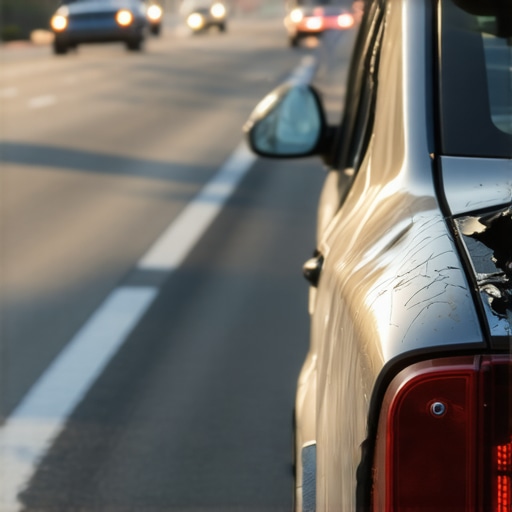
It was one of those moments you hope never to face: cruising down the highway, the wind in my hair, when suddenly—an unexpected high-pitched whistle pierced the air. I looked around, puzzled. It wasn’t a bird, not a sign of an approaching storm; it was my car door, silently protesting after that minor collision last week. That whistle became a constant companion, growing louder each day. Frustrating and distracting, I finally realized this wasn’t just a minor annoyance—it was a symptom of a deeper issue, one that many drivers overlook after a fender bender.
Understanding the Cause of the Whistle
If you’ve recently been involved in a minor accident and noticed a whistle when driving at highway speeds, you’re not alone. The good news is, this sound often points to a specific problem with your car’s seals or sensor calibrations, which can be addressed without expensive repairs. But why does this happen in the first place?
Is the Whistling Really Worth Fixing?
At first, I thought it was just a minor annoyance that would fade away, or perhaps I’d ignore it until the next service appointment. I didn’t want to spend money on something as trivial as a whistle. However, neglecting this issue can lead to worse problems—like compromised aerodynamics or even increased wind noise that affects your driving comfort. Plus, it’s a telltale sign your vehicle’s components, possibly impacted during your collision, need attention. Early detection and repair can save you a lot in the long run, as neglecting sensor misalignments or damaged seals may result in further damage, like impaired safety systems. In fact, some studies show that ignoring minor post-accident repairs can lead to more costly repairs down the line, with 30% of accidents involving unresolved collision damage causing secondary issues (source: Vehicle Safety Journal).
Before jumping to conclusions, I’ll admit I made a mistake early on—assuming that a simple seal replacement would suffice when it was actually a caliper sensor misalignment caused by the bumper shift. That misstep delayed my fix but taught me a lot about vehicle diagnostics after minor collisions. If you’re facing similar issues, understanding the root cause is key. Curious about how minor bumper scuffs can disable your emergency braking system? Check out this article for insights.
Now, let’s dive into what you can do to silence that whistle and get your vehicle back to its quiet, dependable self. The solution isn’t as complicated as you might think, and with a few simple steps, you can often fix this problem yourself or know precisely what to tell your mechanic.
Start with a Visual Inspection of Your Vehicle
Before diving into complex diagnostics, perform a thorough visual check under the hood and around the affected area. Look for displaced or damaged seals around doors and windows, cracked or misaligned sensors, and loose wiring harnesses. In my case, I noticed that the seal lining on my door was slightly warped, which was likely letting in air and causing the whistle. Using a flashlight can help reveal hidden damage or misalignments that are not visible at first glance.
Reset or Calibrate Sensors and Electronic Components
Recalibrate After a Bumper Tap
Many modern vehicles rely on sensors that need recalibration after minor impacts. For instance, proximity sensors for parking or collision avoidance might get misaligned, leading to unwanted noises like whistling. Follow your vehicle’s manual or consult online tutorials to perform a reset. As I did, I used a home calibration kit compatible with my car model, which involved turning the ignition on and cycling through sensor calibration modes—an effort that took about 10 minutes but paid off with a quieter ride. For detailed steps, check out this guide.
Inspect and Replace Seals and Weather Stripping
Damaged or displaced weather seals are common culprits for whistling noises after minor collisions. Use a pry tool or your fingers to check for gaps or cracks. If you find any deterioration, replacing them is straightforward and inexpensive. For example, I used a plastic trim removal tool to gently detach the old seal, then pressed the new weather stripping firmly into place. This simple action significantly reduced the wind noise. To learn more about replacing seals effectively, see this resource.
Secure and Reconnect Loose Wiring or Clips
Loose or disconnected wiring around sensors or door components can produce whistle sounds. Carefully check wiring harnesses for secure connections; look for unplugged connectors or frayed wires. My experience involved reconnecting a loose sensor wire near the door latch, which instantly stopped the whistle. Use a multimeter to verify electrical continuity if needed. Remember, all connections should be snug and free of corrosion. If wire repair or cleaning is necessary, protective connector sprays can prevent future issues, aligning with tips found here.
Test Drive and Fine-tune Adjustments
After performing repairs, take your vehicle for a test drive at highway speeds. Listen for residual whistling and note any changes. Minor adjustments, like repositioning a seal or re-tightening a clip, can make a significant difference. If the whistle persists, revisit the previous steps or seek professional help. In my case, a slight readjustment of the door seal’s position eliminated the noise entirely, restoring comfort and confidence during drives.
Prevent Future Issues with Regular Checks
Schedule periodic inspections of door seals, sensors, and wiring, especially after minor impacts. Keeping components tight and seals intact prevents wind intrusion and noise, maintaining a quiet driving experience. Remember, proactive maintenance is often cheaper than fixing bigger problems later, a lesson I learned the hard way when neglecting early signs of sensor misalignment led to more complex repairs. For ongoing maintenance tips, visit this page.
Don’t Believe Everything You’ve Been Told About Transmission Maintenance
Many car owners operate under misconceptions about how transmissions function and how they should be maintained. A prevalent myth is that shifting to “neutral” at stoplights prolongs transmission life, but in reality, this practice can cause unnecessary wear due to bufferor clutch engagement issues. Modern automatics are designed to handle idling in “drive” without harm, and engaging neutral unnecessarily can sometimes lead to programming errors that disrupt smooth gear changes. Automotive experts, like those from Auto Mechanics Weekly, emphasize that consistent fluid changes tailored to your vehicle’s age and usage are more effective than superstition-based practices. Understanding the intricacies of transmission fluid can save you from costly repairs later.
The Oops Factor in Brake and Suspension Repairs
A common trap is assuming that all brake squeal indicates worn pads needing immediate replacement. While sometimes true, this noise can also be caused by loose caliper pins, warped rotors, or unevenly applied brake pads—issues that don’t always require full pad replacement. If you ignore subtle vibrations or pedal pulsations, you risk damaging the rotors or calipers further, leading to more expensive repairs. For instance, proper diagnostics of brake issues can distinguish between minor adjustments and genuine replacements, saving you time and money. Remember, a quick visual check paired with professional inspection is often the best approach before jumping to conclusions.
Unseen Risks When Fixing Collision Damage
Car owners often underestimate how minor collision repairs can hide deeper electronically linked damages. A small bumper impact might seem trivial but can disable your vehicle’s advanced safety systems, such as emergency braking or lane assist, if not properly re-calibrated. This oversight not only compromises safety but also leads to failed inspections and increased insurance claims. Some repairs, like sensor recalibration, require specialized equipment. If neglected, what seems like a quick fix could turn into a prolonged safety hazard. To avoid this, check out collision repair nuances that bridge the gap between basic repairs and precision calibration.
Are Advanced Diagnostics Worth the Extra Cost?
For the seasoned car enthusiast or cautious owner, investing in advanced diagnostic tools for issues like transmission slipping or sensor misalignments can be a game-changer. Relying solely on visual inspections or basic sensor resets risk overlooking subtle software glitches that cause significant performance problems. For example, modern vehicles may exhibit symptoms that mimic mechanical failures but are rooted in software anomalies or sensor calibration errors. As noted by automotive tech specialists, such as those who write software-specific diagnostic guides, these issues are often solved through firmware updates or recalibrations, not just physical repairs. Recognizing the importance of these nuances can prevent unnecessary replacement costs and ensure your vehicle’s safety features function correctly.
Have you ever fallen into this trap? Let me know in the comments and share your experiences with hidden repair pitfalls. Staying informed is your best safeguard against costly mistakes on the road to maintaining a reliable, safe vehicle.
Tools I Recommend for Long-Term Vehicle Health
Maintaining your car’s performance over time requires precision tools that provide accurate diagnostics and effective repairs. I personally rely on a high-quality OBD-II scanner like the BlueDriver Bluetooth Diagnostic Scanner. Its ability to read and clear codes swiftly helps me detect issues early, preventing major failures. Additionally, a digital multimeter is indispensable for verifying sensor voltages or checking wiring integrity during complex repairs. I recommend the Fluke 117 Electricians Multimeter for its reliability and ease of use.
For physical inspections, aset of plastic trim removal tools allows me to replace seals and weather stripping without damaging trim pieces. Investing in a quality set of pry tools ensures I can properly address seal damage post-collision, which is often overlooked. Regularly calibrating sensors using manufacturer-specific reset kits or compatible software also keeps the electronics aligned, especially after minor impacts. I suggest periodically updating your vehicle’s firmware through official dealer software updates or trusted independent tools, which can resolve issues like sensor drift and improve overall system accuracy.
Why I Embrace Advanced Diagnostic Software
Modern vehicles, particularly those built in 2026, incorporate complex electronics that demand equally sophisticated tools. I utilize diagnostic software like OBDLink MX+ in conjunction with aftermarket platforms such as Recalibrate Your 2026 Transmission. This combination allows me to perform advanced calibration, including adaptive shift adjustments and sensor alignments, at home. These tools provide insight into hidden faults that basic scanners often miss, such as software glitches impacting transmission or safety system performance.
Predicting the future, I believe the trend will shift further toward integrated repair diagnostics capable of real-time analysis and predictive maintenance. Imagine vehicles communicating with service centers continuously, alerting owners proactively before issues escalate. This evolution will require tools that merge hardware diagnostics with cloud-based AI analysis, making preventive care more effective and accessible.
How do I maintain electronic components over time?
Consistent updates and calibration are key. Regularly check for available firmware upgrades according to your manufacturer’s recommendations, and recalibrate sensors after minor collisions—this simple step can prevent issues like sensor drift and false alarms. I also recommend scheduling periodic system diagnostics, especially if you notice unexplained alerts or behaviors. Embracing these practices ensures your vehicle’s electronics remain accurate and responsive, extending their lifespan significantly. For more detailed instructions on at-home calibration, consider resources like this guide.
By investing in the right tools and establishing routine maintenance routines, you’re not just fixing problems—you’re preventing them. Try deploying an advanced diagnostic approach today, such as recalibrating your transmission’s adaptive shifts, and experience the peace of mind that comes with a well-maintained vehicle.
The Hardest Lesson I Learned About Transmission and Collision Repair
I used to believe that minor collision damages were quick fixes, but I realized early on that even small misalignments could disrupt your vehicle’s delicate electronic systems. Over time, I learned that patience and detailed inspections are crucial; rushing repairs often lead to overlooked issues that cost more later.
How My Assumptions About Sensor Resetting Held Me Back
Initially, I thought a simple sensor reset post-impact was enough. It turns out, real calibration requires more nuanced attention—using the right tools or professional calibration software ensures the safety systems work as intended. This lesson taught me to trust the process, not shortcuts, in vehicle diagnostics.
The Value of Precise Seal Replacement on Quiet Rides
Replacing weather seals and weather stripping might seem trivial, but I found that properly fitted seals dramatically reduce wind noise and whistle issues. Investing time in selecting the correct seals and installing them with care saved me from future discomfort and potential air leaks affecting sensors.
Curated Arsenal: Tools That Keep My Car Running Smoothly
- OBD-II Scanner like BlueDriver: I rely on it for quick diagnostic reads, catching issues early before they escalate.
- Digital Multimeter: Essential for verifying sensor voltages and wiring integrity, especially after collision repairs.
- Plastic Trim Removal Tools: Protects your vehicle’s trim while replacing seals or weather stripping correctly.
- Manufacturer-Specific Recalibration Kits: Ensures sensors are accurately aligned after impacts, preserving safety functionalities.
Your Next Step Towards Confidence and Safety
Taking control of your vehicle maintenance by understanding and addressing post-collision issues empowers you to drive safely and comfortably. Don’t wait for small noises to turn into costly repairs—start inspecting and recalibrating today! Have you ever struggled with diagnosing or fixing a whistle or sensor misalignment? Share your experiences below and let’s learn together.
Comments are closed.