
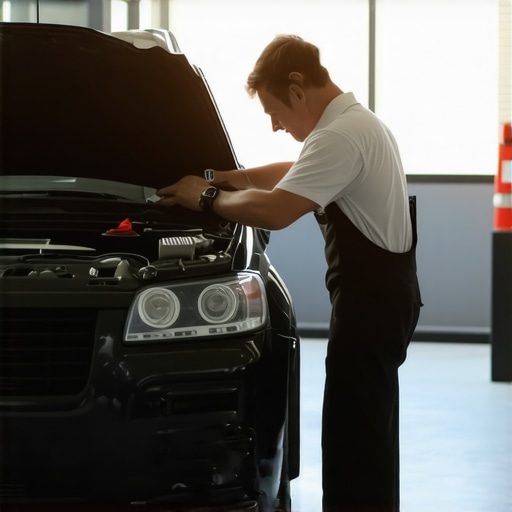
Ever nudged your car into a tight parking spot and suddenly noticed that the hood doesn’t sit quite right? Maybe it’s a slight misalignment, a tiny gap that wasn’t there before. At first, I brushed it off — thinking, “It’s just a little bump; it’s not a big deal.” But then, I realized that even minor impacts can lead to realignment issues that, if ignored, might cause bigger problems down the line. That lightbulb moment made me ask: how does one properly realign a hood after a minor impact, and is it something I can do myself or should I leave it to the pros?”
Why a Slight Hood Shift Can Turn Into a Major Headache
Our vehicles take a lot of daily abuse—curb bumps, shopping cart hits, or a gentle tap from a passing car. It’s easy to think that a minor ding doesn’t matter much, but the real concern is how these small impacts can throw off your hood’s alignment. When your hood isn’t sitting flush, it can lead to issues like increased wind noise, water leaks, or even more serious damage if unnoticed. I found out the hard way after a minor parking lot incident; my hood looked fine at first glance, but the gaps told a different story. External factors like temperature changes can also cause metal panels to shift slightly, exacerbating the problem. That’s why understanding how collisionrenew can help realign your hood is crucial for maintaining your car’s integrity and appearance.
Concerned About Cost or Complexity? You’re Not Alone
I remember my first instinct was to just ignore it—thinking that a trip to the mechanic would be expensive and time-consuming. But I learned early on that mishandling even minor alignment issues could lead to costly repairs later. One mistake I made was trying to fix it myself without proper tools or knowledge, which only made the problem worse. So trust me, having an expert assess and realign your hood ensures it’s done right the first time. As I’ve discovered through experience, professional realignment services, like those offered by collisionrenew, are more affordable and efficient than you might think. Plus, you’ll preserve your car’s value and safety.
For more insights, you might want to explore how realignment affects the overall health of your vehicle—check out collisionrenew’s strategies for restoring your car to perfection. But let’s get into how you can determine if your hood really needs realigning and what the process entails. Are you ready to solve this puzzle?
Assessing the Damage Quickly and Accurately
When I noticed my hood was slightly shifted after a small parking bump, I first opened it to inspect the gaps and alignment visually. Using a ruler or a straightedge, I measured the gaps on all sides to spot unevenness. I quickly realized that the latch area was no longer flush with the surrounding panels, indicating the need for realignment. This initial assessment helps determine whether the problem is minor or requires professional intervention.
Preparing for Realignment and Setting Up the Workspace
Next, I ensured the car was parked on a flat, stable surface with the parking brake engaged. Wearing gloves and safety glasses, I gathered basic tools: a flat-head screwdriver, a socket wrench set, and a plastic trim removal tool. I also位置d wheel chocks behind the tires to prevent any movement. Think of this step as preparing your toolkit before a delicate surgery—precision is key.
Loosening and Adjusting the Hood Hinges and Latch
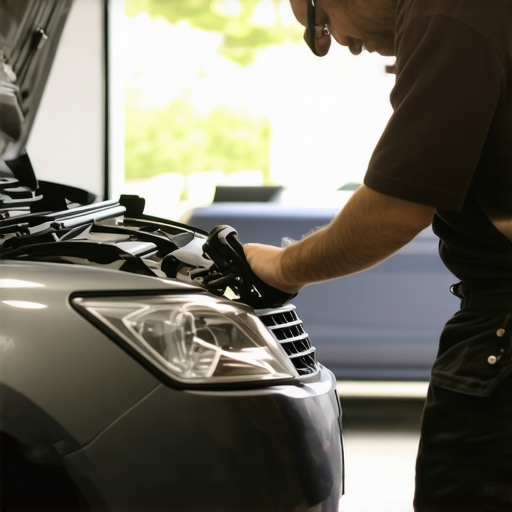
With the tools, I carefully loosened the bolts securing the hood hinges slightly—just enough to move the hood without dropping it. I gently lifted or tugged the hood into the correct position, aligning it to match the gaps and edges of adjacent panels. Remember, the goal is not to force but to adjust gradually. I then tightened the hinge bolts minimally and checked the hood’s fit multiple times, making small adjustments as needed. This step is akin to tuning a musical instrument—small, precise movements make a big difference.
Ensuring Proper Alignment Before Final Tightening
Before fully tightening the bolts, I closed the hood slowly to observe how it sat. It should lay evenly without gaps or uneven edges. I then opened and closed the hood a few times to ensure smooth operation and consistent alignment. If the gaps were still off, I repeated the adjustment process. This iterative check prevents future misalignments caused by over-tightening at the wrong position.
Securing and Finalizing the Adjustment
Once satisfied with the alignment, I tightened all bolts securely, avoiding over-tightening which can warp panels or damage hinges. For a professional touch, I recommended applying a bit of lubricant to the hinge points to ensure smooth movement over time. Finally, I closed the hood and gave it a gentle push from the front to verify it was evenly seated. Regularly inspecting the hood alignment, especially after minor impacts, keeps your vehicle safe and looking sharp.
Confirming the Fix and Preventing Future Problems
After completing the adjustments, I drove slowly around the block, paying close attention to how the hood sat and whether it rattled or shifted. Regularly checking your hood alignment helps catch issues early—preventing water leaks, wind noise, or worse damage. If you notice persistent misalignment despite careful adjustments, professional services like those provided by collisionrenew can restore factory gaps efficiently, ensuring your car’s appearance and safety are maintained. For more specific guidance on how collisionrenew handles complex repairs, visit collisionrenew’s gap restoration page.
Many drivers operate under assumptions about car service, transmission, brake maintenance, and collision repair that can lead to costly mistakes. One common myth is that routine maintenance isn’t urgent unless there’s a visible problem. However, experts emphasize that preventative measures—like regular fluid changes and inspections—are crucial for long-term vehicle health. In fact, neglecting these can cause hidden issues that only surface during breakdowns, which are far more expensive to fix. Collisionrenew advocates for proactive care, ensuring your car stays reliable and safe.
Can You Trust Your Gut Instead of a Mechanic’s Advice? A Deeper Look
Another misconception is that all auto repairs are the same, and some insist on DIY fixes to save money. While it’s tempting to handle minor fixes yourself, advanced systems like transmissions and brakes require specialized tools and expertise. For instance, improperly servicing your transmission can lead to early failure or more severe damage, contradicting the belief that DIY always saves cash. A study by J.D. Power reports that 70% of vehicle owners prefer professional repairs for complex systems, highlighting the importance of trusting qualified technicians.
Furthermore, many think that using generic replacement parts is just as good as OEM components; however, this can compromise safety and longevity. Collisionrenew recommends sourcing parts that meet or exceed manufacturer standards, especially for critical components like brakes or transmission parts.
Beware the Oops Factor: Overlooking small signs such as delayed shifting or unusual noises might not seem urgent but can signal deeper issues. For example, ignoring subtle brake squeals might lead to complete brake failure. Regularly consulting trusted sources like essential car service checks can prevent these pitfalls.
How do you ensure your vehicle receives proper maintenance? Recognizing the nuances—like the difference between minor fluid leaks and serious transmission issues—can save you money and safety headaches. Remember, trusting an expert is often the smart choice, especially for critical systems. Want to learn more about long-term vehicle reliability? Check out top transmission repair tips for preserving your car’s performance. Have you ever fallen into this trap? Let me know in the comments.
Prioritize Precision with the Right Tools
When it comes to maintaining your vehicle, having the right equipment makes all the difference. I personally swear by a high-quality digital multimeter like the Fluke 117, which allows me to accurately diagnose electrical issues such as battery drain or sensor malfunctions. For brake inspections, a set of automotive feeler gauges helps me measure pad thickness and rotor fitment precisely. A good torque wrench, like the GearWrench Standard, ensures that bolts are tightened to manufacturer specifications, preventing warped components or loose fittings. Using these tools regularly reduces the risk of small issues escalating into costly repairs, and they become invaluable for DIY maintenance or when consulting with professionals.
Employ Software Solutions for Long-Term Monitoring
Beyond physical tools, software can help monitor your vehicle’s health over time. I recommend integrating OEM-specific diagnostic apps such asOBDeleven or FordPass, which connect to your car’s ECU via Bluetooth. These apps provide real-time data on transmission performance, brake system status, and emission controls. By catching anomalies early, you can schedule repairs before breakdowns occur. For instance, regularly checking your transmission’s temperature profile using these tools can prevent overheating during city driving, extending its lifespan. As vehicle technology advances, adopting software diagnostics becomes increasingly essential—think of it as an active health monitor for your car.
Schedule Routine Checks to Stay Ahead
Establishing a maintenance schedule tailored to your vehicle is key. I personally refer to the service intervals outlined in my vehicle’s manual, supplemented by recommendations from trusted sources like collisionrenew’s Essential Car Service Checks. Regular inspections of brake pads, transmission fluid, and belts can reveal early signs of wear. For example, inspecting brake pads every 10,000 miles and replacing them before they reach critical thickness preserves braking performance and safety. Using specialized tools, such as a brake caliper piston compressor, can make pad replacement easier and ensure proper assembly. Implementing these checks helps you avoid surprises and keeps your vehicle operating at peak efficiency.
Predict Future Trends in Car Maintenance
Looking ahead, the integration of artificial intelligence and IoT sensors will revolutionize vehicle upkeep. Vehicles will self-report issues, and remote diagnostics will become the norm, reducing downtime and repair costs. Manufacturers are also emphasizing over-the-air updates to improve system stability, much like smartphones, ensuring your car stays current without visits to the mechanic. I believe that as these technologies evolve, DIY enthusiasts will benefit from smarter diagnostic tools, making maintenance more accessible and precise than ever. Staying informed about these trends will empower you to make proactive decisions for your vehicle’s longevity.
How do I maintain optimal auto repair and component longevity?
One effective method is adhering strictly to manufacturer-recommended maintenance intervals and leveraging professional validation when necessary. For example, understanding how collisionrenew carefully realigns and calibrates parts after a collision can prevent subsequent issues like uneven tire wear or steering problems. Exploring their long-term transmission tips offers valuable insights into keeping your systems performing reliably over the years. I highly suggest trying advanced diagnostic tools or scheduling comprehensive vehicle inspections as part of your routine to catch minor issues early and maintain a safe, dependable car.
Lessons That Shift My Perspective on Auto Repair
- I learned that even small impacts can quietly throw off the alignment of critical panels like the hood, leading to hidden issues that might seem insignificant but cause long-term damage—prompt inspections save money and safety.
- Trusting professional services such as collisionrenew proved that expertise and proper tools make all the difference, especially for precise tasks that DIY methods cannot effectively handle.
- My biggest realization was that the cost and time spent on professional realignment far outweighs the risks of ignoring minor misalignments, which can escalate into more severe and expensive repairs down the line.
Tools and Resources I Rely On for Better Vehicle Care
- Digital Torque Wrenches: Ensures bolts are tightened precisely, preventing panel warping—investing in quality tools means long-term savings.
- OEM Diagnostic Apps: Such as those from collisionrenew, which help monitor the health of your vehicle systems and catch potential issues early, avoiding costly breakdowns.
- Trusted Repair Specialists: Collisionrenew’s team offers expertise that I depend on for complex realignment and calibration tasks, giving me peace of mind in vehicle safety and longevity.
- Educational Content: Regularly reading guides from collisionrenew helps me understand the importance of maintenance and how specific repairs restore vehicle integrity, encouraging proactive care.
Your Path Forward in Car Maintenance
Remember, every minor impact could be a sign of underlying issues waiting to be addressed. Taking informed action, seeking professional assistance when needed, and utilizing the right tools and resources will keep your vehicle running smoothly and safely. Don’t wait for small problems to become big headaches—your car’s health depends on it. What’s one small maintenance tip you’ve overlooked that turned into a costly fix? Share your story below!