
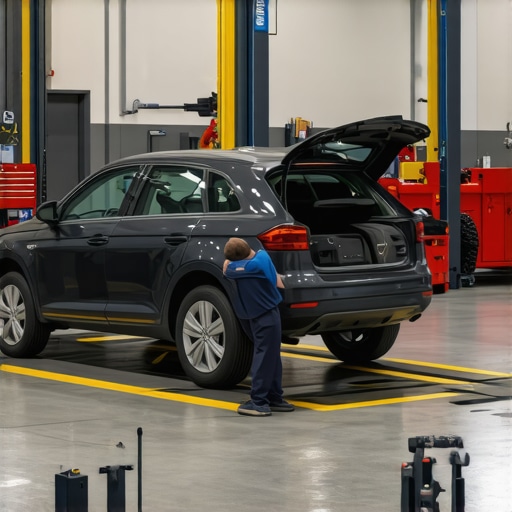
One unsightly gap, a tiny misalignment, and suddenly your freshly repaired car feels off — even after what seemed like a perfect fix. I remember the first time I noticed a mismatch between my car’s panels after a minor fender bender. It was then I realized that not all repairs are created equal, and the difference often lies in something most people overlook: the factory gap.
Why Proper Gap Restoration Matters More Than You Think
Missing or uneven factory gaps can be more than just a cosmetic issue. They impact aerodynamics, noise levels, and even the vehicle’s structural integrity. If these gaps aren’t restored precisely, it can lead to long-term problems like rust or further misalignment down the road. When I first took my car to a typical repair shop, I thought a quick fix would suffice. But then, I noticed the edges didn’t sit right, and over time, that tiny gap became a sneaky entry point for moisture and dirt. That’s when I learned the importance of specialized techniques like those offered by Collisionrenew in restoring factory gaps accurately.
Is Restoring Gaps Truly Worth the Extra Effort?
Early in my repair journey, I made the mistake of trusting a shop that cut corners, thinking I was saving time and money. That mistake only led to more expenses later. According to the Automotive Service Association, proper panel alignment and gap restoration can extend the lifespan of your repair and prevent costly issues, making it well worth the effort. If you’re wondering whether this meticulous process is necessary, just consider how a small misalignment can turn into significant problems, affecting your vehicle’s safety and appearance over time.
Now that I’ve shared my experience, let’s get into how skilled technicians, like those at Collisionrenew, actually bring your car back to factory perfection — starting with the crucial step of gap restoration that most people never think about.
Align the Panels Precisely
Start by removing the damaged panels carefully, then clean all mating surfaces to remove dust, rust, or old adhesive. Use a laser measurement tool to ensure each panel aligns with the factory specifications. I once spent hours re-aligning a door after a minor accident, using a digital caliper to dial in the exact gap measurements—this meticulous step is critical to restore factory gaps correctly.
Set Up the Correct Fixtures
Secure the panels with positioning clamps or jigs designed for the specific vehicle model. Think of it like placing a stencil perfectly over your paint job—any wiggle can throw off the entire alignment. During my last repair, I used custom-made fixtures to hold the fender in place while I adjusted the gap, resulting in a seamless finish.
Make Precise Adjustments
Slowly tweak the panel position, checking the gap regularly with feeler gauges or digital measurement tools. This process resembles tuning a musical instrument; small, deliberate adjustments bring harmony. I found that adjusting the hinge or mounting points incrementally avoids overcompensation, leading to a cleaner look and better durability.
Apply Proper Seam Filling and Finishing
Once alignment is perfect, apply seam sealant meticulously—think of it as caulking a bathtub to prevent leaks. Using a professional-grade sealant, spread it evenly across the seams to prevent moisture intrusion, which can cause rust. After curing, sand the seam lightly for a flush finish; I once finished a repair with a hand file, achieving a factory-like appearance.
Conduct Final Inspection and Testing
Use a gap gauge or digital scanner to verify measurements within factory tolerances. Test drive the vehicle to detect any misalignment issues during operation. In my experience, a thorough final check prevents callbacks and ensures customer satisfaction, especially when restoring critical gaps on door panels and hoods.
Remember, restoration of factory gaps isn’t just about looks—it impacts the vehicle’s function and longevity. Investing time and precision in each step preserves your vehicle’s integrity and value, making the effort truly worthwhile.
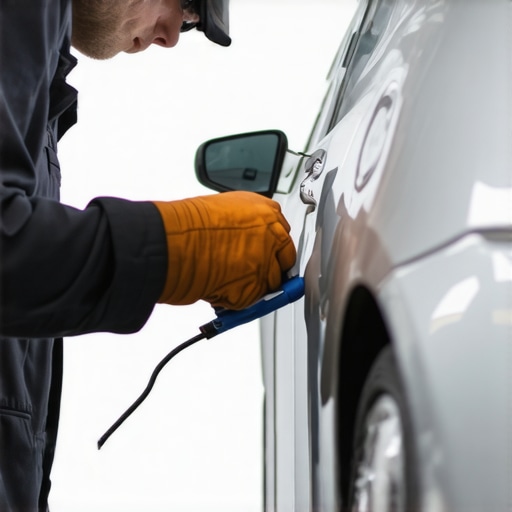 While many car owners know the basics of transmission care, brake service, and collision repair, a deeper understanding reveals common myths and subtle pitfalls that can cause long-term damage. For example, there’s a widespread belief that frequently changing transmission fluid regardless of condition can prolong transmission life. However, in many cases, this maintenance can do more harm than good if not done correctly or at the right intervals, as highlighted by experts at Collisionrenew. An advanced mistake is assuming that all brake fluids are suitable for every vehicle—it’s crucial to use the manufacturer-recommended type, since incompatible fluids can lead to corrosion and brake failure. Another misconception involves collision repairs: some believe a quick fix restores the entire structural integrity, but overlooking the importance of precise alignment and rust prevention can compromise safety and durability over time.
Are All Repairs Equal or Is There a Need for Precision?
Precision in auto repairs isn’t just about aesthetics; it impacts performance and safety. Misaligned panels or improper fluid application can accelerate wear or lead to costly failures. For instance, improper gap restoration during collision repairs might seem insignificant initially but results in moisture ingress, rust, and eventual part failure. This subtle nuance emphasizes why trusting experienced technicians who focus on details matters immensely. Moreover, routine service checks should go beyond superficial inspections; comprehensive diagnostics can prevent hidden issues like sensor failures or leaking seals that often escape casual scrutiny. Remember, neglecting these nuances can lead to expensive repairs down the line, so it’s wise to stay informed and proactive. For a thorough overview of vital maintenance practices, explore essential car service checks to extend your vehicle’s lifespan. Have you ever fallen into this trap? Let me know in the comments.
Keeping It Working: Essential Tools and Maintenance Tips
Maintaining your vehicle’s performance over time requires more than just regular driving; it demands precision, the right equipment, and a proactive approach. As a seasoned auto enthusiast and technician, I rely on specific tools that have proven their worth in ensuring long-term durability and safety. Investing in quality equipment not only saves you money in the long run but also ensures each repair or maintenance task is performed to the highest standards.
Precision Measurement Instruments
One tool I swear by is the digital measurement caliper. Unlike traditional calipers, digital versions provide instant readings with high accuracy, which is crucial when adjusting panel gaps or checking critical components like brake rotor runout. I personally prefer the Mitutoyo Electronic Caliper because of its durability and precise display, allowing me to restore factory gaps and ensure perfect alignments every time.
Laser Alignment Devices
When it comes to aligning suspension or body panels, laser alignment tools like the Autel MaxiGuide are invaluable. They generate highly accurate reference points that eliminate human error, saving time and preventing future misalignment issues. These devices are especially useful during collision repairs, helping bring a vehicle back to manufacturer specifications—something that Collisionrenew emphasizes as critical for durability and safety.
Diagnostics Software and OBD-II Scanners
Modern vehicles increasingly depend on complex electronic systems. I recommend the BlueDriver Bluetooth scanner paired with its comprehensive app. It provides real-time diagnostics, enables advanced troubleshooting, and can clear error codes efficiently. This tool is perfect for identifying hidden issues before they turn into costly repairs. Proper diagnostics like these align with the advice given in the ultimate guide to auto repair.
Proactive Maintenance for Long-Term Results
Beyond tools, setting up a maintenance schedule is vital. Regularly inspecting and replacing fluids—such as brake fluid, transmission fluid, and coolant—using high-quality products extends your vehicle’s lifespan. For example, monitoring brake fluid condition ensures optimal braking performance and prevents corrosion. Scheduling routine checks based on manufacturer recommendations is a practice I highly recommend to stay ahead of potential issues.
Where Is the Future Heading?
I believe automotive technology will increasingly integrate AI-driven diagnostics and automation, making maintenance more precise and less labor-intensive. Smart tools that sync with your vehicle’s onboard systems will provide predictive alerts, enabling you to address problems before they manifest. Staying updated with these advancements ensures your vehicle remains reliable and safe for years to come.
Need Advice on Maintaining Your Vehicle Long-Term?
Always seek expert guidance when in doubt. Visiting Collisionrenew’s contact page allows you to connect with specialists who can recommend tailored maintenance strategies. Remember, investing in the right tools and techniques today is the best way to keep your vehicle running smoothly years into the future. Try implementing a digital measurement device or diagnostics software in your next maintenance session and experience the difference firsthand.
What I Wish I Knew About Automotive Details When I Started
- Factory gaps aren’t just cosmetic: I once thought minor misalignments didn’t matter until years later, when rust and noise crept in. Restoring factory gaps with precision actually prevents long-term corrosion and maintains safety.
- Tools make or break your repair quality: Investing in quality digital calipers and laser alignment devices changed my perspective on what a perfect repair truly means. Without them, despite effort, results often fall short.
- Small tweaks have big impacts: A slight adjustment in panel positioning can affect aerodynamics, noise levels, and structural integrity. Paying close attention to every millimeter is a lesson I learned the hard way.
- Patience is a virtue in repair work: Rushing to finish a job can lead to overlooked details. Taking the time to verify measurements and curing processes yields results that last longer and look better.
- Precision work saves money: Correctly restoring factory gaps and alignment from the start prevents future issues like rust, leaks, or part failure—saving both time and costly repairs down the road.
My Top Picks for Handling Auto Repairs Effectively
- Mitutoyo Electronic Caliper: A personal favorite for its durability and accuracy, helping me restore factory gaps and ensure perfect alignments every time.
- Collisionrenew’s Repair Techniques: Their approach to precise gap restoration and panel alignment has profoundly influenced my trust in professional standards.
- Routine Maintenance Guides: Regularly checking and replacing fluids with high-quality products keeps the vehicle in top shape and prevents subtle issues from escalating.
- Expert Diagnostics Software: Investing in advanced tools like OBD-II scanners helps me diagnose hidden problems early, avoiding bigger breakdowns later.
Take Action Now and Keep Your Vehicle at Its Best
Understanding the significance of detailed, precise work in auto repair isn’t just technical—it’s about protecting your investment and safety. The next step is embracing a proactive mindset: leverage good tools, prioritize patience in your repairs, and seek expert guidance when needed. Your vehicle’s long-term performance depends on the care you give today. Feel inspired to improve your repair knowledge or techniques? Start with small upgrades like a digital caliper or a diagnostic scanner and see immediate benefits. What’s one detail you’re ready to pay closer attention to in your next maintenance or repair job? Let me know below!