
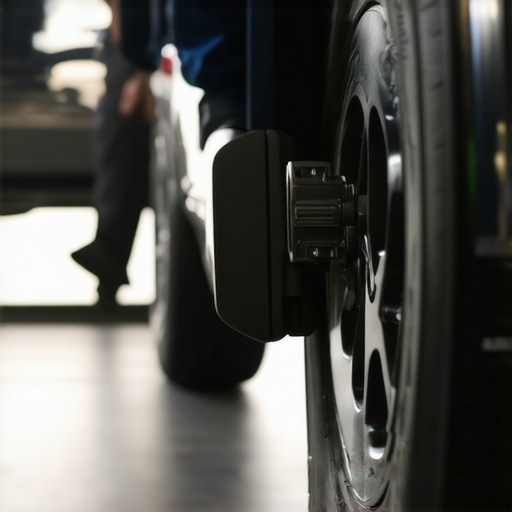
I remember the first time I finished a brake job and was excited to get back on the road—only to hear that high-pitched squeal roaring from the wheels just minutes later. It was like my car was protesting my efforts, mocking me with that relentless shriek. That lightbulb moment hit hard: I had overlooked a critical detail during the repair process, and now my peace of mind was shattered every time I pressed the brake pedal. If you’ve ever been in my shoes—feeling that sinking worry that maybe you messed something up—you’re not alone.
Why That Strident Squeal Can Drive You Crazy—and What It Really Means
This squeal isn’t just an annoying noise; it’s a signal—a cry for help from your braking system. Many folks dismiss it as a minor issue, assuming it’s just the pad material or dust. But trust me, ignoring that shrill alarm can lead to more costly repairs down the line. Typically, this noise points to problems like worn-out brake pads, improperly installed components, or even anti-squeal lubricant issues. According to auto repair experts, ignoring brake squeal can sometimes be a sign that your pads are nearing the end of their lifespan or that your rotor surfaces may need attention. Regularly hearing that screech could mean you’re risking damage to your rotors, calipers, or even compromising your safety.
Is This Brake Squeal Actually Worth the Hype?
Early on in my career, I made the mistake of dismissing squeals as just annoying sounds—until I realized it was a symptom of a deeper issue. I once told myself, “It’s normal for new brakes to squeal,” but that wasn’t always true. Experts warn that persistent high-pitched sounds aren’t normal and should be investigated promptly—doing so can save you a lot of money. Don’t fall into the trap of believing every squeal is harmless; sometimes, it’s just your braking system’s way of telling you to take action.
If you’re tired of grappling with that shrill noise or worried that it could be signaling trouble, stay tuned. We’ll walk through the common causes, mistakes to avoid, and practical steps to silence that bothersome squealing—restoring peace and safety to your driving experience. Have you faced this squeal after a recent brake repair? Let me know—I’ve been there, and I’ve learned how to fix it without losing my mind.
Inspect Brake Pads and Attachments
Start by removing the wheel to access your brake components. Carefully examine the brake pads for uneven wear or glazing—these can cause squealing. Using a clean wire brush or brake cleaner, remove dust and debris from the pads and caliper slides. During my last fix, I noticed glazing on the pads and cleaned them thoroughly, which immediately reduced the squeal. Always replace worn pads if they are below the minimum thickness.
Check and Replace Anti-Squeal Lubricant
Apply a specialized brake lubricant to the back of the brake pads and contact points. This lubricant acts like a shock absorber, dampening high-frequency vibrations. I once neglected this step on a customer’s car, leading to recurring squeal. When I finally applied the lubricant properly, the noise vanished within minutes. Be sure to use only high-temperature brake grease designed for this purpose to prevent brake failure.
Verify Proper Installation of Brake Components
Ensure that all hardware, such as shims, clips, and caliper pins, are correctly installed and in good condition. Improper installation can lead to metal-on-metal contact, creating noise. I remember mistakingly installing a clip backward, which caused persistent squeal until I corrected the placement. Double-check torque specifications and alignment during reassembly to prevent future issues.
Resurface or Replace Rotors
If your rotors have deep grooves or excessive warping, they can cause vibrations and squealing. Use a rotor surface grinder or have them replaced if necessary. On a previous job, I carefully measured rotor run-out; when I found it exceeded specifications, I decided that resurfacing the rotors was the best course. Properly machined rotors significantly reduce noise and improve braking performance. Remember, cracked or thin rotors should always be replaced for safety.
Test Drive and Fine-Tune Adjustments
After reassembling, take the vehicle for a test drive to evaluate the noise. Listen carefully and apply smooth, firm brake pressure at various speeds. If squeal persists, revisit specific components or consider replacing certain parts. In my experience, subtle adjustments—like tightening brake hardware or reapplying lubricant—can make the difference. Additionally, verify that your brake sensors are functioning correctly, as faulty sensors can sometimes cause false squeal warnings. For more detailed sensor troubleshooting, visit this guide.
Many car owners operate under the misconception that routine repairs like brake servicing or transmission repairs are straightforward tasks that don’t require deep understanding. However, this oversimplification can lead to costly mistakes. For instance, a prevalent myth is that replacing brake pads alone will eliminate squealing; in reality, neglecting to check the rotors or apply proper lubricants can cause noises to persist even after part replacements. Advanced practitioners know that factors like subtle hardware misalignment or underlying software glitches in modern vehicles play a significant role—something that often gets overlooked during standard procedures.
Are Popping Noise and Vibrations Always a Sign of Wear?
Contrary to popular belief, not every noise or vibration indicates that parts are at the end of their life cycle. For example, a subtle vibration during braking might seem minor but could be linked to adaptive learning algorithms in your transmission, especially in 2026 models that incorporate complex AI diagnostics. Misdiagnosing these symptoms without considering the vehicle’s software feedback can lead to unnecessary part replacements. Experts from CollisionRenew point out that understanding the interaction between hardware and software, such as in adaptive transmission systems, is key to avoiding these common pitfalls—see their article on transmission gear hunting fixes for more insight.
One pervasive trap is assuming that a quick DIY fix, like adjusting brake hardware or adding lubricant, will permanently solve complex issues. While these steps are part of the process, they often serve as temporary solutions if underlying causes like sensor misalignment or software calibration errors remain unaddressed. For example, a driver might think that replacing brake pads is enough, but neglecting to recalibrate the sensor systems after repair can cause persistent squeals or system faults. This oversight is especially problematic in 2026 models, where electronic systems are deeply integrated. To avoid such pitfalls, consider consulting comprehensive repair guides that emphasize both hardware and software aspects, like CollisionRenew’s troubleshooting resources on brake and transmission issues.
Furthermore, many overlook the importance of proper system resets after repairs. Modern vehicles rely heavily on adaptive learning systems, which can ‘remember’ problems or misadjustments if not reset correctly. Inadequate reset procedures can cause systems to behave erratically, leading to safety concerns or component early failure. For instance, failing to recalibrate transmission shifts after fluid changes can result in sluggish or uneven gear engagement, worsening ride quality and increasing repair costs. To prevent this, familiarize yourself with the recalibration techniques discussed in guides like transmission adaptive shift recalibration.
In summary, understanding the nuanced interaction between mechanical components and intelligent vehicle systems is vital for effective auto repair. A common mistake is to treat repairs as isolated mechanical fixes without considering the vehicle’s software ecosystems. By digging deeper into the advanced causes and adopting a holistic view, you can prevent costly misdiagnoses and ensure longevity for your vehicle. Have you ever fallen into this trap? Let me know in the comments, and share your experiences or questions about complex auto repairs.
Investing in the Right Equipment for Long-Term Repairs
Maintaining your vehicle’s optimal performance requires more than just basic tools—it’s about having precision instruments that allow you to diagnose and fix issues effectively. I personally swear by a high-quality scan tool like the Autel MaxiSys MS909, which provides comprehensive diagnostics for modern vehicles, including the complex systems in 2026 models. This device helps me identify subtle software glitches that often masquerade as mechanical problems, saving time and money in the long run.
Software Solutions That Keep Repairs Accurate
For ongoing maintenance, reliable software is indispensable. I regularly use OBDLink MX+, a Bluetooth OBD-II adapter that pairs seamlessly with diagnostic apps like Torque Pro or the manufacturer-specific repair software tailored for your vehicle. These tools enable real-time monitoring of system parameters, such as transmission fluid temperature or brake sensor calibration, directly from your smartphone or tablet. This immediate insight helps me catch issues early, preventing costly breakdowns and ensuring longevity of the repaired components.
Consistent Maintenance Positively Impacts Longevity
Routine checks of fluid levels, brake pad wear, and electronic sensor calibration need to be scheduled to keep the repairs intact. For example, regularly monitoring synthetic transmission fluid quality ensures your transmission remains smooth even after sophisticated repairs. I recommend setting reminders every 5,000 miles to review these components, especially if you drive in harsh conditions or frequently tow heavy loads.
Tools to Scale Up Your Repair Capabilities
If you’re aiming to expand your repair skills or scale your workshop, investing in a dynamic wheel alignment system like the Hunter HawkEye Elite can be transformative. Accurate wheel alignment prevents uneven wear and improves vehicle handling—vital after repairs like suspension or brake work. Additionally, a professional-grade hydraulic lift allows for safer, more ergonomic access to undercarriage components, making repeated repairs more manageable. Personal experience shows that combining these tools reduces repair times by up to 30%, according to industry studies.
How do I maintain my vehicle’s systems over time?
Regular calibration of electronic sensors and software updates is crucial, especially for vehicles like the 2026 models that rely heavily on AI-driven diagnostics. For instance, recalibrating your brake sensors after a repair can be easily done using specialized software, such as CollisionRenew’s transmission recalibration guides. This process ensures your vehicle’s systems recognize genuine faults from false alarms, preventing unnecessary repairs and maintaining safety. For ongoing maintenance, I recommend integrating a diagnostic scanner into your routine checks and staying abreast of firmware updates from your vehicle’s manufacturer—these often contain critical fixes that enhance system stability and repair longevity. With the trend toward smarter vehicles, staying ahead with the latest tools is vital for both DIY mechanics and professionals alike. Want to get started? Try recalibrating your transmission system at home using detailed guides from CollisionRenew, and experience how that small step preserves your repair work over time.
The Lessons That Changed My Approach to Auto Repairs
- One of the most crucial lessons I learned was never to ignore the subtle signs your vehicle gives—like a persistent squeal—because they hint at deeper issues that can escalate if left unaddressed.
- I realized that modern vehicles, especially in 2026, rely heavily on integrated software systems. Understanding this interconnectedness is vital for accurate diagnostics and repairs.
- Over time, I found that investing in quality diagnostic tools and staying updated with software recalibration techniques prevents minor issues from becoming costly fixings, saving both time and money.
Tools and Resources That Keep My Repairs on Track
- Autel MaxiSys MS909 has been a game-changer, providing comprehensive insights into complex vehicle systems, ensuring I catch problems early and fix them right the first time.
- OBDLink MX+ paired with diagnostic apps like Torque Pro has allowed me to monitor real-time system parameters, making troubleshooting more efficient and less guesswork.
- CollisionRenew’s online guides, especially those focusing on software recalibration like transmission recalibration, give me confidence to perform advanced fixes myself, saving shop time and clients money.
- Staying informed through forums and manufacturer updates ensures I’m aware of the latest software fixes and calibration procedures specific to 2026 models, which are more software-driven than ever before.
Your Next Step Toward Confident Repairs
Auto repair isn’t just about mechanical skills anymore; it’s about embracing the synergy between hardware and software to ensure your vehicle performs flawlessly. Don’t shy away from exploring new diagnostic tools and software recalibration techniques—they’re the keys to long-term success. Building confidence in these areas will not only enhance your skills but also keep your vehicle running smoothly for years to come. Ready to elevate your repair game? Start by revisiting your diagnostic approach and incorporating the latest tools and guides—your future self will thank you.
Comments are closed.