

I remember that feeling all too well—cruising down the highway, minding my own business, when suddenly, my transmission just *slipped,* causing a jolt that sent a shock through my steering wheel. It was unsettling, almost like my car was trying to tell me it was giving up. That frustrating moment was a real wake-up call. It made me realize I wasn’t alone in facing this mysterious issue, and it definitely wasn’t something I could ignore.
Why Your Transmission Acts Up When You Need It Most
If you’ve experienced your transmission slipping out of gear at high speeds, you’re probably wondering what’s going wrong. It’s a problem that can throw anyone off, especially when you’re on a busy highway or trying to merge safely. The truth is, many owners chalk it up to wear and tear or just bad luck. But there’s often a deeper cause lurking beneath the surface—something that, if identified early, can save you from costly repairs and dangerous driving situations.
From my own experience, I learned that misdiagnosing the problem only made things worse. I once replaced what I thought was a faulty transmission fluid, only to find that the real culprit was a worn-out valve body. Early on, I made the mistake of ignoring small signs like delayed shifts or unusual noises, assuming they’d go away. That mindset nearly cost me a lot more later. Now, I know better.
Interestingly, industry experts highlight how overlooked transmission issues can escalate quickly. According to a recent report, neglecting transmission health can lead to complete failure, often happening suddenly and without much warning. So, understanding why your car slips out of gear at high speeds isn’t just about comfort—it’s about safety and saving money.
In the sections ahead, I’ll walk you through the common causes and practical fixes for this frustrating problem. Whether it’s fluid issues, worn components, or calibration errors, there’s a solution waiting for you. Ready to take control of your transmission troubles? Let’s dive into the details.
And hey—if this has happened to you, I’d love to hear about your experience. Was it a sudden slip or a gradual decline? Drop a comment or share your story below. It might just help someone else dodge a costly repair!
Before we get into the how-to, remember: staying proactive about transmission maintenance can prevent most of these issues altogether. Regular checks, like a quick fluid level test, can make all the difference. And if you’re curious about specific signs that your transmission may be overheating or slipping, I’ve got some helpful links for you, like the signs of a 2026 transmission overheating in eco mode. Stay tuned, because understanding the root cause is the first step toward fixing it for good.
Check Your Transmission Fluid First
Start by inspecting the transmission fluid level and condition. Park your car on a level surface, engine warmed up, and in park. Pull out the dipstick, wipe it clean, reinsert, and check the level. If it’s low, top it up with the manufacturer-approved transmission fluid. Also, examine the fluid’s color and smell. If it looks dark, cloudy, or has a burnt odor, it’s time for a fluid change. Remember, clean, adequate fluid acts like the lubricant for the entire system, preventing slipping.
Test for Overheating Signs
High-speed slips often indicate overheating, which can cause fluid thinner or breakdown. To verify, check for signs like a pulsing temperature gauge or a warning light. If overheating is suspected, let the transmission cool down, then perform a more detailed inspection. For specific signs of overheating in eco mode, visit this guide.
Examine Transmission Components
Worn clutch plates, damaged valves, or a malfunctioning solenoid can cause slipping. To diagnose, access the transmission control module or have a professional run a diagnostic scan. Listen for irregular noises or delayed engagement. Remove the transmission pan to inspect for debris or metal shavings—these are clues of internal wear. Replacing worn-out parts like solenoids or valves restores proper hydraulic pressure, preventing gear slips.
Recalibrate or Reset Transmission Settings
Many modern transmissions adapt to your driving style. Sometimes, calibration errors lead to slipping at high speeds. To recalibrate, use specialized diagnostic tools—some vehicles allow at-home resets. For example, in certain models, disconnecting the battery for a set period resets adaptive learning. Alternatively, visit a shop for a professional recalibration. This process ensures the transmission’s internal control aligns with the actual hardware performance.
Flush and Replace Hydraulic Fluid
If fluid appears degraded or after inspecting internal components, a complete fluid flush can improve performance. Use a proper transmission fluid flush machine to remove old fluid and contaminants. This process also replaces the filter in many cases, ensuring clean hydraulic pathways. Regular flushing prevents future slipping issues, especially if your transmission experiences frequent high-speed driving.
Inspect for External Damage and Alignment
External factors like collision damage or misalignment can affect transmission operation. Check the transmission mounts, linkages, and the surrounding chassis for signs of impacts. Realign or repair as necessary. Pay attention to how your vehicle shifts after any collision, referencing guides like this repair guide for smart bumper issues that might interfere with transmission electronics.
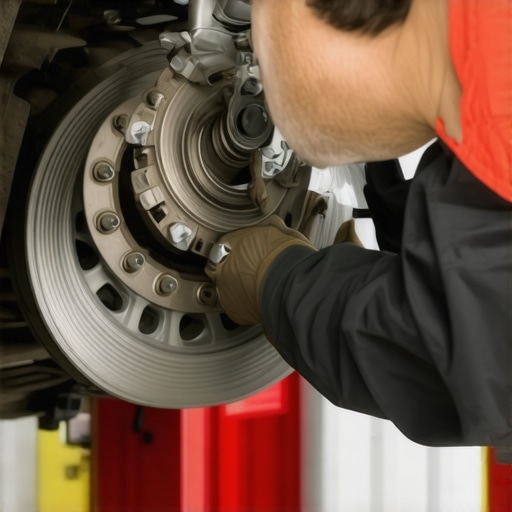 Many car owners believe that routine maintenance is straightforward; change the oil, replace brake pads, and you’re set. But in reality, there’s a lot more nuance that often gets overlooked, leading to costly mistakes. For instance, a common misconception is that all transmission issues stem from low fluid levels. While fluid is crucial, the real problem might be the internal valve body or solenoids, which require expert diagnosis rather than simple top-ups. Relying solely on fluid checks without understanding these nuances can exacerbate problems, a trap many fall into. Did you know that some technicians over-rely on diagnostic scans and miss mechanical wear? This is especially true in collision repair scenarios where external damages disguise internal component failures. External damage, like frame stress, can trigger ghost braking issues or sensor misalignments, which casual inspections may not reveal. That’s why a thorough, expert-level assessment is vital.
Are DIY Repairs Causing More Harm Than Good?Many car enthusiasts believe that small repairs—like changing brake pads or bleeding brakes—are simple and do not require professional tools or expertise. However, missing subtle signs, such as uneven pad wear or compromised caliper pins, can lead to brake drag or pedal fade. This mistake can cause uneven brake wear, overheating, and even safety hazards. A study from the National Institute for Automotive Service Excellence highlights how improper DIY repairs are a leading cause of component failure and accidents. Moreover, auto repair is intricate, with advanced systems like adaptive transmissions and smart bumpers needing calibrations that require specific diagnostic tools. Misaligned sensors or failing to reset adaptive learning parameters after repairs can lead to issues like transmission hunting or collision sensor ghosting, which frustrate owners and threaten safety. For example, forgetting to recalibrate your vehicle’s collision sensors after a minor bumper impact may cause persistent false alarms, risking traffic violations. To avoid these pitfalls, seek expert service or educate yourself on the intricacies involved.How Can Advanced Diagnostics Improve Repair Outcomes?**
How Can Advanced Diagnostics Improve Repair Outcomes?**
Modern vehicles are packed with sensors, and software-driven systems that adapt and learn. While this technology enhances safety and efficiency, it also complicates repairs. Advanced diagnostics, like smart scanner tools, help identify issues not visible to the naked eye. For instance, detecting subtle transmission valve body failures or sensor miscalibrations can prevent slipping or ghost braking issues. A recent insight from automotive engineers emphasizes the importance of diagnostic precision; a minor software glitch can cause significant safety concerns. By leveraging sophisticated diagnostic tools, technicians can perform targeted repairs—like recalibrating lane departure sensors or fixing hydraulic fluid foaming—that address root causes rather than just symptoms. This proactive approach reduces the risk of repeated repairs, ensures optimal vehicle performance, and upholds safety standards. Owners should consider investing in garages equipped with such technology for peace of mind. Remember, a little investment in proper diagnostics can save thousands and prevent dangerous failures down the line.Keeping your vehicle running smoothly requires more than just quick fixes; it’s about investing in the right tools and adopting effective maintenance routines. One of my go-to pieces of equipment is a high-quality scan tool like the Autel MaxiSys MS908, which allows me to perform in-depth diagnostics on various vehicle systems, from transmissions to collision sensors. This device is invaluable because it provides detailed error codes and live data, enabling precise troubleshooting without unnecessary part replacements. For example, when addressing transmission slipping, I connect the scanner to check for specific fault codes related to valve body performance or solenoid issues, saving time and money.
Another must-have is a reliable transmission fluid tester, such as the OEM-approved test strips, which help me monitor fluid health over time. Regularly testing and inspecting fluid can preemptively signal overheating or degradation, as detailed in the guide on signs of transmission overheating in eco mode. I also invest in a quality hydraulic press for component replacements—particularly helpful when dealing with worn clutch plates or damaged valves. The precision and leverage it provides make the job less tedious and more accurate.
When it comes to software, I prefer using OEM-specific diagnostic platforms like Ford IDS or Toyota Techstream, depending on the vehicle. These tools offer firmware updates, calibration tools, and deeper system access that generic scanners lack. They’re essential for recalibrating adaptive systems after repairs, ensuring the vehicle’s electronic controls are aligned with the hardware.
Thoughts are shifting towards predictive maintenance using data analytics. In the future, vehicle telematics could automatically alert owners or mechanics about potential issues before symptoms even manifest. Embracing these advancements will streamline maintenance and reduce downtime.
How do I maintain my car’s transmission over time? Regular transmission fluid checks are vital. I recommend measuring the fluid’s condition at least twice a year—pay attention to color, smell, and level. When you notice dark, burnt-smelling fluid or inconsistent levels, it’s time for a flush or filter change. Not only does this prevent slipping and overheating, but it also prolongs your transmission’s lifespan. For detailed guidance on flushing, check out our article on preventing DCT transmission shudders.
In summary, combining precise diagnostic tools, quality testing equipment, and consistent maintenance routines ensures your vehicle remains reliable and safe. Investing in tools like the MaxiSys scanner and OEM software pays off by catching issues early and avoiding costly repairs. Make it a habit to perform regular inspections—your car, and your wallet, will thank you. Ready to upgrade your maintenance game? Start by trying out those transmission fluid test strips and see what your vehicle’s health has been hiding.
What I Wish I Knew When I Started Diagnosing Transmission Slip
Over time, I realized that rushing into repairs without thorough diagnostics often leads to more issues. For example, assuming low fluid caused slipping sometimes diverted me from checking internal components like the solenoids or valve body, which are frequently at fault. Patience and a methodical approach proved invaluable, teaching me that patience pays off in complex systems like transmissions.
Another lesson was the importance of consistency in maintenance routines. Regularly inspecting transmission fluid quality and levels helped me catch problems early, preventing costly failures. Small daily checks can uncover signs that most overlook, such as faint odors or subtle delays in shifting, which are clues if you know what to look for.
Lastly, I discovered that trusting advanced diagnostic tools changed the game. Using high-quality scanners to interpret error codes allowed me to pinpoint root causes—saving time and money. For anyone serious about vehicle health, investing in tools like the Autel MaxiSys MS908 transformed my repair approach from guesswork to precision.
Tools and Resources That Elevated My Knowledge
My go-to diagnostic tool has become the MaxiSys MS908 scanner. Its detailed error reporting helps identify issues in real-time, making repairs more targeted. I also rely on OEM-specific software such as Ford IDS or Toyota Techstream, which provide deeper insights and calibration capabilities essential for modern transmissions.
For quality transmission fluid, I trust OEM-approved test strips, which quickly reveal fluid health in a few seconds. Combining this with a proper flush machine has been vital; I prefer models that ensure thorough cleaning without risking contamination or incomplete fluid exchange. Lastly, educational resources like expert tutorials and official repair guides keep me updated on the latest repair techniques and safety measures.
You Are the Key to Better Transmission Care
Taking the initiative in understanding your vehicle’s transmission can dramatically improve its lifespan and performance. Small steps like regular fluid checks and prompt diagnosis of slipping symptoms make a big difference. Don’t wait for mysterious noises or dangerous shifts to act—be proactive, and your car will thank you. Remember, mastering transmission maintenance isn’t just about fixing problems; it’s about investing in your peace of mind and safety on the road.