

I’ll never forget the first time it happened to me. I was merging onto a busy highway, foot pinned to the floor to match the flow of traffic, when I glanced in my rearview mirror. Instead of the car behind me, I saw a thick, ghostly blue haze. It looked like I’d just deployed a tactical smoke screen from a spy movie. My heart sank right into my stomach. I remember thinking, “Well, there goes my savings account.” I actually made the classic mistake of ignoring it for a month, telling myself it was just ‘old car character,’ until that little puff turned into a constant cloud that fouled my spark plugs and left me stranded. If you are seeing that tell-tale azure tint only when you’re pushing the engine hard, you aren’t alone, and it isn’t necessarily the end of the world—provided you don’t do what I did and look the other way.
That Puff of Blue Smoke in Your Rearview Mirror Isn’t Magic
When your car starts acting like a chimney, it’s sending a very specific distress signal. Blue smoke is the universal automotive language for burning oil. But the fact that it only happens during hard acceleration is a massive clue. It usually means that under high load, oil is sneaking past a seal or a ring and finding its way into the combustion chamber. This isn’t like the real reason your car smells like hot oil; this is internal, and it’s something that requires some detective work before you start panic-buying a new engine. Regular essential car service checks can often catch the early stages of these leaks, but once the smoke is visible, the oil is already making friends with your spark plugs. [image_placeholder] According to technical resources from Consumer Reports, blue smoke is almost always a sign of oil bypassing internal barriers like piston rings or valve guides. Have you noticed the smoke getting worse when the engine is cold, or is it strictly a high-RPM problem for you?
Is my engine basically a giant paperweight now?
I get it. You see smoke and you start calculating the cost of a down payment on a new ride. But here is the thing: it could be as simple as a clogged PCV valve or as involved as worn piston rings. Before you head to the local auto repair shop expecting the worst, we need to narrow down the culprit. Sometimes, what feels like a catastrophic engine failure is actually just a component that’s tired of doing its job. I’ve seen folks get so worried about engine smoke that they overlook other vital signs, like how following transmission repair tips might actually save them more money in the long run by keeping the whole powertrain synchronized. We’re going to walk through the “why” and the “how” so you can walk into a mechanic’s bay with your head held high, knowing exactly what’s going on under that hood.
Shake the PCV Valve to Save Your Engine
Before you assume your engine is a total loss, you must check the Positive Crankcase Ventilation (PCV) valve. Think of this little plastic component as the engine’s lungs; it’s supposed to vent gases, but if it gets stuck open, it acts like a vacuum straw, sucking oil directly from the crankcase into the intake. When you’re performing essential car service checks to extend your vehicles life, this should be your first stop. I remember my old ’98 Civic started looking like a crop duster every time I merged onto the I-95. I was convinced the rings were shot and was ready to sell it for parts. A buddy told me to pull the PCV valve and shake it. It didn’t rattle at all—it was completely gummed up with carbon. A twelve-dollar replacement part from the local shop and ten minutes of my time stopped the smoke instantly. If yours doesn’t make a distinct metallic ‘click-clack’ when you shake it, it’s dead. Replace it immediately.
The Squeegee Effect of Valve Stem Seals
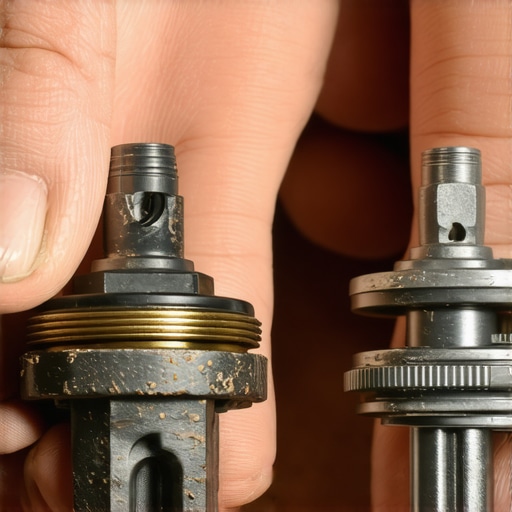
If the smoke is most prominent right when you first hit the gas after idling at a red light, your valve stem seals are the likely culprits. These seals act like tiny squeegees on a window; they are supposed to keep oil in the top of the head from sliding down the valve stem into the combustion chamber. When they get brittle, oil pools around the valve while you’re sitting at a light, then gets gulped into the engine the moment you accelerate. If your seals are just starting to weep, you might find some relief by reading about the truth about high mileage oil and leaking seals. These specialized oils contain conditioners that can slightly swell those old rubber seals, potentially buying you another year of smoke-free driving before a mechanical repair is required.
Run a Compression Test Before You Panic
If the PCV is fine and the smoke is constant under load, it’s time to check the piston rings. These rings are like the seals on a medical syringe; they must provide a perfect airtight fit against the cylinder walls. A proper diagnosis is the cornerstone of the ultimate guide to auto repair keep your car running smoothly, and for blue smoke, that means a compression test. You’ll need to remove your spark plugs and screw a pressure gauge into the spark plug hole. If one cylinder shows significantly lower pressure than the others, squirt a teaspoon of motor oil into that cylinder and test it again. If the pressure jumps up, your rings are worn out because the oil temporarily sealed the gap. If it doesn’t jump, the leak is likely in the valves.
When the Turbo Becomes a Flame Thrower
For those of you driving turbocharged cars, blue smoke under hard acceleration is often a sign of a failing turbocharger seal. Under high boost, the internal seals can’t hold back the pressurized oil, and it gets forced into the hot exhaust stream or the intake tract. This is a critical issue because excessive oil in the exhaust doesn’t just look bad; it can lead to expensive downstream issues. You should learn how to tell if your catalytic converter is clogged or just old, because nothing kills a converter faster than being soaked in burning motor oil. Always check your intercooler pipes for standing oil; a thin film is normal, but a puddle means your turbo is on its way out. Sometimes, these engine hiccups are misinterpreted as transmission issues, especially if the car stutters while smoking, which is why understanding why your transmission shifts early and makes the engine bog down can help you distinguish between a power loss from the engine and a gear-hunting issue.
A lot of guys at the track or in the forums will tell you that the second you see blue smoke, your engine’s internal tolerances are gone and you need a crate motor. But in my years of turning wrenches, I’ve found that’s often a premature—and expensive—diagnosis. Sometimes, the issue isn’t that the rings are ‘gone,’ but that they are simply ‘lazy’ due to carbon buildup or the wrong oil weight. I’ve seen enthusiasts spend thousands on a rebuild when they really just needed a high-quality detergent flush and a switch to a more stable synthetic. Before you sign off on a massive bill, remember that modern engines are incredibly resilient. If you’re maintaining essential car service checks to extend your vehicles life, you’re already ahead of the game and likely have a lot of life left in that block.
Can a shifting issue actually cause oil burning symptoms?
It sounds crazy, but your powertrain is an ecosystem. If your car is constantly struggling to find the right gear, it forces the engine into high-vacuum scenarios or sustained high-RPM ranges it wasn’t meant to sit in for long. For example, knowing why your transmission hunts for gears while climbing a hill is crucial because those sudden downshifts create a massive spike in intake manifold vacuum. This vacuum can literally ‘suck’ oil past even moderately worn valve seals that would otherwise be fine under normal driving. You might think you have an oil problem, but you actually have a transmission logic problem that’s making the engine work too hard. According to data from the Car Care Council, neglected transmission maintenance can lead to secondary engine stress that mimics mechanical failure.
The biggest ‘oops’ factor I see is the ‘mechanic in a bottle’ trap. When people see smoke, they run to the auto parts store and grab a bottle of ‘Stop Smoke’ or ‘Engine Fix.’ These products work by drastically increasing the viscosity of the oil—basically turning it into honey. While it might temporarily stop the smoke, it can wreak havoc on modern engines with Variable Valve Timing (VVT). These systems rely on incredibly thin oil to flow through tiny passages to adjust cam timing. Thick additives can clog these screens, leading to a ‘check engine’ light and a much more expensive repair than the original leak. It’s the same reason why Autolab Libertyville recommends skipping the cheap transmission leak fluids; these ‘quick fixes’ often cause long-term chemical damage to seals and solenoids. Always stick to the ultimate guide to auto repair keep your car running smoothly by using mechanical fixes rather than chemical band-aids.
Lastly, don’t forget that a car is more than just an engine. If you’re focused on the smoke but ignoring the fact that your brake rotors keep warping every few months or your suspension is shot, you’re missing the forest for the trees. A safe car needs all its systems in harmony. If you’ve recently been in a fender bender, even minor frame issues can cause drivetrain misalignment that adds stress to those engine seals. Checking out collision renewal strategies-restoring your car to perfection can help ensure the whole chassis is straight, which keeps the engine and transmission sitting where they should. Have you ever fallen into the ‘quick fix’ trap with an oil additive only to have it backfire? Let me know in the comments below.
I’ve spent too many nights staring at the bottom of a hood with a cheap flashlight, but if you really want to graduate from guessing to knowing, you need a borescope. I personally use a dual-lens Teslong unit because it lets me peek sideways at the valve seats without a mirror attachment that usually falls off into the spark plug hole. This tool is a game-changer for identifying if your blue smoke is coming from a leaking valve stem seal or a scored cylinder wall. If you see ‘vertical stripes’ on the cylinder walls, your rings are effectively dragging through a trench, and no amount of oil conditioner will save you. This is where the ultimate guide to auto repair keep your car running smoothly becomes your bible—it’s about knowing when to fix and when to replace. 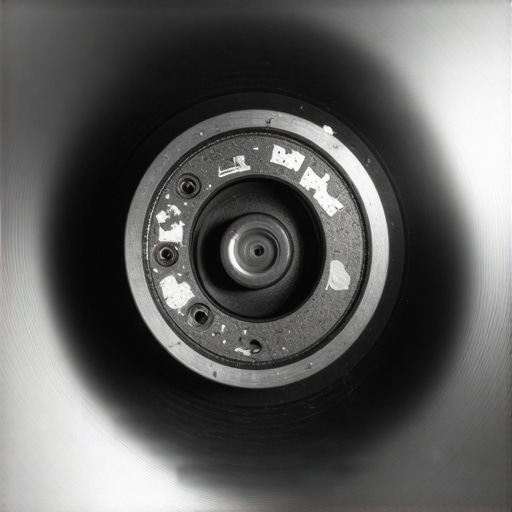 Beyond visual inspection, I swear by the Autel AL519 for reading live data. Watching the fuel trims in real-time can tell you if the engine is compensating for a vacuum leak or a failing PCV system before the smoke even starts. According to a 2023 technical bulletin from the Automotive Service Association (ASA), modern high-compression engines are increasingly susceptible to low-speed pre-ignition (LSPI), which can crack rings and lead to the very oil burning we’re seeing today. This is why sticking to essential car service checks to extend your vehicles life is no longer optional; it’s a survival tactic for your powertrain.
How do I maintain my engine health over time?
Consistency is your best friend here. I’ve started sending my oil samples to Blackstone Labs every second oil change. It costs about thirty bucks, but they send back a report showing the metal content in your oil. If they see high levels of aluminum or chrome, I know my rings or pistons are wearing prematurely long before I see a puff of smoke. It’s the same logic as following top transmission repair tips for long-term vehicle reliability; you are looking for microscopic red flags. You also need to keep an eye on the exhaust. If your oil consumption has been high for a while, you need to learn how to tell if your catalytic converter is clogged or just old, because the blue smoke is just the symptom—the dead converter is the expensive consequence. Looking forward, I predict we’ll soon see AI-integrated oil sensors in standard passenger cars that can detect molecular changes in oil viscosity and contamination in real-time, effectively ending the ‘guesswork’ era of maintenance. If you’ve ever wondered how to tell if your frame is bent after a minor fender-bender, you know that hidden damage is the hardest to fix. The same goes for your engine’s internals. My challenge to you: pick up a basic borescope this weekend and pull your spark plugs. Take a look at those piston tops—if they’re wet with oil, you’ve found your smoking gun.
The Most Valuable Lessons Learned While Chasing Blue Smoke
Reflecting on my own journey through hazy exhaust clouds, I’ve realized that the smoke is rarely the end of the road; it’s usually just the beginning of a better maintenance routine. The hardest lesson I learned was that small parts like a PCV valve can masquerade as massive engine failures, and jumping to conclusions is the fastest way to drain your bank account. I now treat every visible sign of oil burning as a diagnostic puzzle rather than a financial disaster. Staying on top of your essential car service checks is the best way to catch these issues before they turn into a full engine rebuild. [image_placeholder] By treating your car as an interconnected system, you’ll find that a well-maintained engine often rewards you with hundreds of thousands of miles.
My Personal Toolbox for Accurate Engine Diagnostics
When I’m tracking down the source of oil consumption, I rely on a few specific resources and tools that take the guesswork out of auto repair. First, a reliable borescope is my go-to for inspecting cylinder walls without removing the head. Second, I always cross-reference symptoms with powertrain data—sometimes an engine issue is actually linked to how the car shifts, so reading up on top transmission repair tips for long-term vehicle reliability can provide much-needed context. Finally, I trust lab-based oil analysis to tell me what’s happening at a microscopic level. These tools, combined with knowing why your car vibrates specifically when you hit 65 mph, allow for a holistic approach to vehicle care that generic shop manuals just can’t match.
Stop Worrying and Start Restoring Your Engine Power
The path from a smoky tailpipe back to a clean-running machine is shorter than you think. By following a logical diagnostic process—starting with the easiest components first—you reclaim the confidence that comes with knowing your vehicle is safe and efficient. While you’re under the hood, don’t neglect the other systems that keep you safe; for instance, checking out braking news-how to choose the best brake service in 2025 will ensure your stopping power matches your engine’s performance. If you run into a diagnostic wall or need professional advice on a complex leak, you can always contact us to get back on track. Keep your head up, your tools ready, and your oil levels checked. Have you ever successfully fixed an oil-burning issue with just a simple valve replacement, or was it a deeper mechanical fix? Let me know in the comments below.