
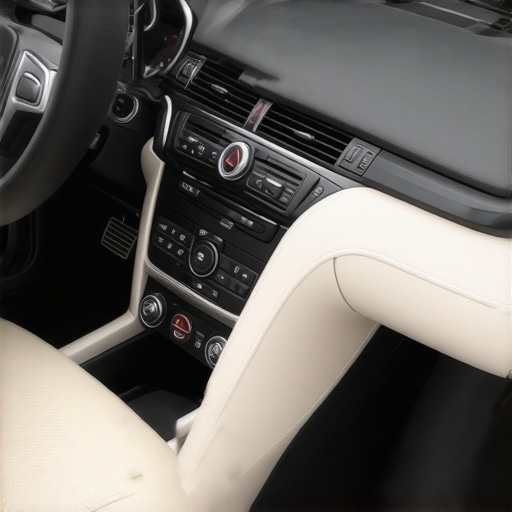
Have you ever rolled down your car windows after a long drive only to be greeted by that unmistakable, damp dog smell? I remember the moment I noticed it: I was commuting home, turned on the AC, and suddenly I was overwhelmed by this unpleasant odor that made me wish I was anywhere else. At first, I thought it was just a dirty filter or some spilled drink, but it turned out to be something more sneaky—and surprisingly common among car owners.
The Real Reason Your Car Smells Like Wet Dog When You Turn On the AC
This smell often originates from mold and mildew that grow within your vehicle’s air conditioning system. Dampness gets trapped inside the evaporator core—kind of like a tiny, clandestine pet hotel—and creates an ideal environment for mold to thrive. When you switch on your AC, those mold spores get blown into the cabin, tainting the air with that characteristic wet dog scent. It’s both unpleasant and potentially harmful, as mold can aggravate allergies or respiratory issues. Interestingly, some studies suggest that mold can develop in AC systems within a few months if moisture isn’t regularly cleared, making this a common, yet overlooked, problem among drivers.
Now, I made a classic mistake early on—ignoring this smell and hoping it would go away on its own. Spoiler alert: it didn’t. Instead, the smell worsened, and I started noticing that I was sneezing more and my allergies seemed to worsen after drives. That’s when I dug into the root of the issue and found out how to get rid of it effectively.
Is Your Car’s Smell Really That Serious or Just Annoying?
Many car owners, myself included, initially dismiss this odor as a minor inconvenience. But persistent mold not only spoils your driving experience but can also pose health risks. If you’ve faced that damp, wet dog smell lurking every time your AC kicks on, you’re not alone—and there’s good news. There are simple, proven ways to banish it and keep your car smelling fresh again.
Stay tuned, because I’ll guide you through the most effective strategies to eliminate this stubborn odor. Trust me, once you get rid of that smell, your car will feel like new—and your nose will thank you!
Thoroughly Clean the Air Filter
Begin by removing your vehicle’s cabin air filter, which often traps mold spores and grime contributing to bad odors. Use a mixture of water and mild detergent to scrub the filter gently, then let it dry completely before reinstalling. Replacing the filter with a new one can also be a game-changer in preventing future smell issues.
Flush the Air Conditioning System
This step is critical to remove mold and mildew growth inside the evaporator core. Obtain an AC system cleaner designed for automotive use—these are sprayed into the intake vents while the AC is running on the fresh air mode. Feel free to follow the specific instructions for the product; this process effectively flushes out the mold colonies, much like clearing a clogged drain.
Tip: I once applied this technique during a messy Saturday afternoon, spraying the cleaner into the vents while blasting the AC. The immediate smell of cleaning solution was strong, but after a few minutes of running the system, the damp dog odor vanished, leaving the cabin smelling fresh.
Disinfect the Ducts and Vents
Use an disinfectant spray formulated for automotive air systems. Aim the nozzle into the vents and operate the air circulation to distribute the disinfectant evenly. This step kills remaining mold spores and stops the smell from returning.
Apply a Deodorizing Solution
Choose a suitable car odor neutralizer or deodorizer spray. Spray it into the vents and onto the dashboard to mask any residual odors and prevent new ones from forming. Remember, the goal is to eliminate the mold’s scent, not just cover it up.
Prevent Future Mold Growth
Keep the car interior dry by regularly checking for leaks and ensuring proper drainage. After washing the car or experiencing rain, run the AC on the highest fan setting with windows open to evaporate excess moisture. Consider installing a moisture absorber inside your vehicle for ongoing protection.
By following these concrete steps, I successfully eradicated the mold in my car’s AC system, restoring a fresh environment every time I turn on the air conditioning. Regular maintenance and vigilance are key to preventing this issue from recurring, ensuring your drives remain pleasant and odor-free.
Even seasoned car owners and DIY enthusiasts often operate under misconceptions when it comes to critical aspects like brake service or transmission repair. One common myth is that routine maintenance isn’t necessary if your car runs fine, but in reality, neglecting essential service checks can lead to costly repairs down the line. Many believe that all brake pads wear out equally, yet proper brake pad management extends component life dramatically. A nuanced understanding reveals that not all repairs are created equal: a minor transmission slip during cold starts might seem harmless but could indicate a deeper fluid or sensor issue that, if ignored, can cause significant damagetransmission issues. Beware the trap of assuming your car’s collision repair can be a quick fix; structural problems often require precise restoration techniques. For example, restoring factory gaps after a minor fender-bender isn’t mere cosmetic work. One advanced mistake many make involves underestimating collision damage indicators: hidden frame distortions can compromise safety without obvious signs. It’s vital to recognize that intuition isn’t enough—trusting technical diagnostics often saves money and lives. As you can see, understanding the subtle nuances of automotive repair enhances durability and safety. Have you ever fallen into this trap? Let me know in the comments and share your experience to help others avoid these common pitfalls.
The Right Tools Make All the Difference
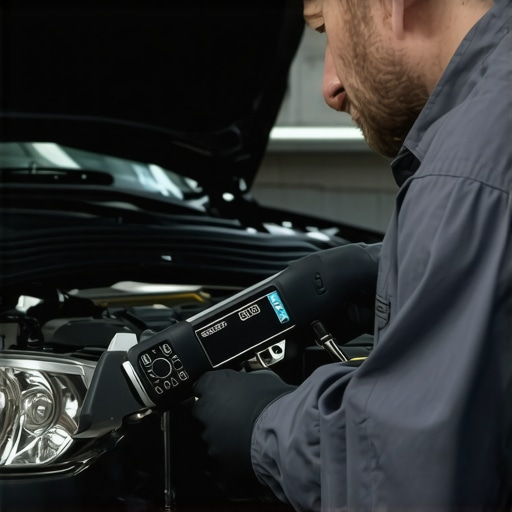
Maintaining your vehicle’s health requires specific, high-quality tools that ensure precision and longevity. For example, I personally swear by a digital torque wrench when working on critical components like the transmission or brake calipers. Unlike standard torque wrenches, my Napa Classic Digital Torque Wrench provides digital feedback, which helps me apply exactly the right torque—preventing over-tightening that could damage delicate parts. For diagnosing issues, I rely heavily on an OBD-II scanner; I prefer the BlueDriver Bluetooth Pro because it provides real-time data and code explanations that are accessible even to amateurs. Such tools allow me to identify transmission or collision issues early, saving time and money.
Adapting Maintenance as Your Vehicle Ages
As vehicles age, routine checks using tools like a multimeter for electrical systems or a brake pressure tester can reveal hidden problems before they escalate. I recommend scheduling a comprehensive service check every 5,000 to 10,000 miles, especially focusing on parts like the water pump or transmission fluid. These proactive measures help maintain your car’s performance and extend its lifespan, as emphasized in industry guides on auto repair best practices.
How do I maintain auto repair tools over time?
Proper storage and calibration are vital. Keep tools in a clean, dry toolbox, and periodically calibrate digital equipment following the manufacturer’s guidelines. Regularly updating your diagnostic software ensures compatibility with new vehicle models and software updates, which is essential for accurate readings and effective repairs. Investing in professional-grade tools and maintaining them diligently can significantly improve repair quality and reduce long-term costs, aligning with long-term trends toward precision maintenance in auto repair.
Scaling Your Maintenance Routine
Start small by mastering basic diagnostics with a quality OBD-II scanner and progressing to more advanced tools like electronic stress testers for the battery or quick-release adapters for transmission fluid. As your expertise grows, consider integrating automated maintenance systems that monitor your vehicle’s condition and alert you to upcoming needs. This approach not only saves money but also enhances your safety by catching issues early, especially crucial for collision repairs or long-term transmission health.
Prediction of Future Trends
Looking ahead, the integration of AI-driven diagnostics and predictive maintenance tools will revolutionize how we care for our vehicles. Vehicles will increasingly self-report issues before symptoms appear, enabling proactive repairs that minimize downtime and costs. Staying informed and investing in smart tools now can prepare you for this evolving landscape.
Don’t hesitate to try implementing a digital torque wrench or an advanced OBD-II scanner in your next maintenance session. These tools could dramatically improve your repair accuracy and vehicle longevity. For tailored advice, feel free to reach out through our contact page.
The Unexpected Lessons Behind Managing Car Odors
- Don’t underestimate small issues: That persistent wet dog smell was just the tip of the iceberg—neglecting it could have led to respiratory risks. Similarly, minor maintenance oversights often snowball into costly repairs if ignored.
- Every car has a story lurking under the surface: Mold in the AC system isn’t just a cleaning problem; it reveals design flaws or maintenance habits worth addressing to prevent future headaches.
- The importance of proactive cleaning: Regularly replacing filters and using system cleaners not only keep odors at bay but also prolong the life of your vehicle’s HVAC system — a lesson applicable to all auto maintenance routines.
- Tools are more than gadgets—they’re game changers: Investing in quality diagnostic and repair tools transformed my approach. Accurate diagnostics ultimately save time, money, and stress—try it yourself for better peace of mind.
- Patience and persistence pay off: Eliminating the mold took repeated efforts, but the reward was a fresh, healthy cabin environment. This resilience is key to mastering any car repair challenge, big or small.
My Essential Arsenal for Car Care Confidence
- BlueDriver Bluetooth Pro OBD-II Scanner: Trusted for its real-time data and compatibility, it empowers me to catch issues early and avoid surprises.
- Multi-Purpose HVAC System Cleaner: An unsung hero in odor elimination, ensuring my AC stays mold-free and fresh.
- Digital Torque Wrench: Critical for precise tightening and ensuring the longevity of crucial components.
- Quality Cabin Air Filters: Regular replacements prevent harboring mold spores and keep the interior air clean.
Your Next Step Toward a Smell-Free Drive
Taking control of your car’s health isn’t just about fixing problems—it’s about creating a safer, more comfortable driving experience. With the right knowledge and tools, you can troubleshoot issues early and keep your vehicle in top shape. Remember, every bit of preventative care adds up, turning high-cost repairs into simple DIY fixes. Are you ready to tackle that odor issue or any other hidden trouble in your car? Share your stories or questions below, and let’s keep the conversation rolling!