
I remember the exact moment I realized something was seriously wrong with my car. I was rolling to a stop at a light, feeling confident behind the wheel, when suddenly, my vehicle jerked to the right like it was eager to veer off on its own. It was unsettling. Not only did it throw off my balance, but it also made my commute feel unpredictable and a little dangerous. That lightbulb moment left me scrambling to understand what was happening.
Discovering the Root Cause of Your Car’s Pulling Problem
Many drivers experience this frustrating issue where their vehicle pulls more to one side—specifically to the right—when applying the brakes. It’s not just an annoyance; it’s a safety concern. A car that pulls unexpectedly can cause accidents, especially in emergency braking situations, and over time, it can lead to uneven tire wear and steering component damage.
The good news is, most of the root causes are fixable with the right diagnosis and some basic repairs. Over the years, I’ve learned that this problem often isn’t due to a simple misalignment, but more complex issues like brake caliper sticking or uneven brake pad wear. These issues can stem from neglected maintenance or subtle system failures. Personally, I had jumped to conclusions early on, thinking I needed an alignment or new tires, but the real culprit was a seized caliper that was causing uneven braking force.
If you’re wondering whether you can tackle this at home or if it’s better left to professionals, I’d advise being cautious. Pay attention to your vehicle’s behavior, and don’t dismiss uneven braking as a minor inconvenience. Recognizing the signs early can save money and prevent accidents.
In this guide, I’ll walk you through the common reasons why your car might pull to the right when braking and share practical steps to fix it. I’ll also include some insights from industry experts, like how brake system malfunctions are a leading cause of steering pull in vehicles—something I found surprising when I first started digging into the topic.
Are you currently grappling with this exact issue? If so, keep reading, because understanding the problem is the first step toward a safer, smoother ride. Soon, we’ll tackle some specific fixes—starting with how to check if your brake caliper is sticking—so you can regain full control of your vehicle and drive confidently again.
Check Your Brake Calipers for Sticking or Seized Pistons
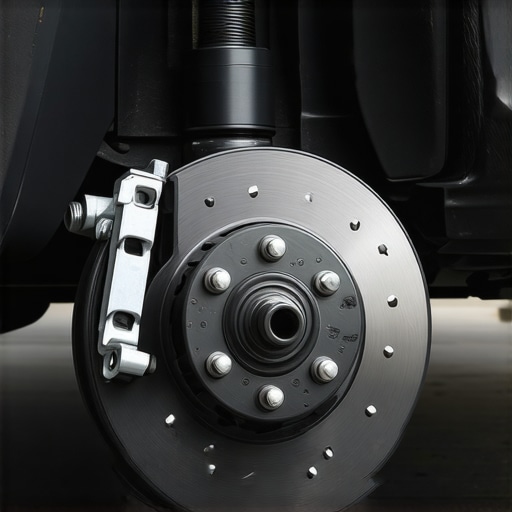
Start by lifting your vehicle safely with a jack and securing it with jack stands. Locate the brake calipers near your wheels; these components squeeze the brake pads against the rotor. If you notice uneven brake pad wear or corrosion, it’s a sign of caliper issues. I once found a seized caliper on my own car that was causing the pull, and freeing it improved my braking stability immediately. Use a brake caliper piston tool or a C-clamp to gently compress the piston and observe its movement. If it doesn’t move smoothly or is stuck, replacing or repairing the caliper is necessary. Check the brake fluid level and quality, as contaminated fluid can cause caliper malfunction. For a detailed walkthrough, consider reviewing this brake system flush guide to ensure your system functions properly after repairs.
Inspect Brake Pads and Rotors for Uneven Wear
Remove the wheel and examine the brake pads; uneven or excessively thin pads indicate uneven wear. Similarly, inspect the rotors for grooves, scoring, or warping. When I did this, I noticed one rotor was slightly warped, which caused the pulling sensation. Resurfacing or replacing rotors restores even braking forces. After such maintenance, it’s prudent to perform a caliper piston retraction and system bleed to ensure proper hydraulic function, as included in this brake pedal firmness fix guide.
Ensure Accurate Wheel Alignment
Wheel alignment affects how your vehicle responds during braking. Use a professional alignment machine or an advanced DIY alignment kit to verify your wheels are aligned within manufacturer specifications. When my alignment was off, the car pulled right even without braking; correcting it made a noticeable difference. Remember, it’s best to have a professional check the alignment if you’re unsure, as this prevents premature tire wear and ensures safe braking performance.
Address Brake Hose and Line Conditions
Look for cracked, bulging, or leaking brake hoses connecting the calipers to the master cylinder. Internal damage can cause uneven brake pressure, leading to pulling. During a routine check, I discovered a cracked hose that caused inconsistent braking force. Replacing damaged hoses restores even pressure distribution. Don’t forget to bleed the brake system after replacing hoses or calipers to remove air bubbles, which can cause spongy pedals and uneven braking. For more on restoring brake system integrity, review this comprehensive brake repair article.
Consider Professional Inspection for Hidden Issues
If after these checks your vehicle still pulls during braking, it might have subtle issues like a faulty ABS sensor or internal corrosion. Professional diagnostics can identify these hidden problems. My personal experience with complex electronic issues taught me that professional tools often reveal faults beyond basic visual inspections. A thorough inspection ensures your safety and prolongs your vehicle’s lifespan, so don’t hesitate to seek expert help if needed.
When it comes to collisionrenew, brake service, or any car maintenance, there’s a common misconception that more expensive or frequent repairs automatically guarantee better vehicle longevity and safety. However, as an automotive enthusiast and experienced mechanic, I can tell you that the real secret lies in understanding the nuanced operational realities often missed by even seasoned DIYers. Many drivers fall into the trap of trying to fix issues by adding parts or performing superficial repairs without diagnosing the core problem thoroughly. For example, replacing brake pads repeatedly without addressing underlying caliper sticking or rotor warping merely postpones inevitable failures and may lead to unnecessary expenses. Additionally, there’s a widespread myth that all sensor malfunctions in advanced systems like collisionavoidance or adaptive cruise are software-related. While software updates play a role, most issues stem from physical misalignments or damaged wiring—problems that require a keen eye beyond automated diagnostics.
A crucial aspect that many overlook is the importance of proper calibration after repairs. For instance, after replacing bumper sensors or fixing transmission issues, recalibrating the systems ensures that the vehicle’s safety features and driving aids function correctly. Ignoring calibration can lead to false alarms or, worse, failure of safety measures altogether. For advanced vehicles, this nuance becomes even more critical, and not understanding these subtle steps can compromise safety profoundly.
One of the oops moments I see often is misinterpreting diagnostic codes as definitive fault indicators. While data from diagnostic tools such as OBD-II readers are invaluable, they shouldn’t replace a comprehensive physical inspection—especially in complex systems like transmissions or collision sensors. For example, a misread code might suggest a faulty sensor, but a physical inspection could reveal wiring corrosion or connection issues that software alone can’t detect.
Make sure to examine the connection points, wiring integrity, and sensor positions physically. This holistic approach saves money and prevents reoccurring issues. Experts like Chris Chien, a leading automotive repair consultant, emphasize that understanding the relationship between physical hardware and software diagnostics is key to effective repairs (source: automotive repair insights).
Have you ever fallen into this trap? Let me know in the comments. The more we share real-world experiences, the better we all become at spotting and fixing these hidden nuances.
Maintaining your vehicle’s reliability over the long term requires more than just basic knowledge; it demands the right tools and a structured approach. As someone deeply involved in auto repair, I’ve found that investing in quality equipment not only streamlines repairs but also ensures lasting results. For instance, a high-precision torque wrench is invaluable when working on suspension or transmission components, preventing over-tightening that can lead to future failures.
One tool I highly recommend is a diagnostic scanner compatible with OBD-II standards. This device allows me to read real-time sensor data and fault codes, enabling precise troubleshooting of issues like transmission hesitation or brake system faults. I personally prefer models that integrate with my smartphone via Bluetooth, such as the BlueDriver scanner, because they combine portability with detailed diagnostics. This approach helps me identify problems early, reducing costly emergency repairs.
For brake service, a brake caliper piston retraction tool is essential. Instead of relying on generic C-clamps, my specific piston retract tool speeds up the process and ensures even pressure when compressing calipers. Coupling this with a quality brake fluid tester helps verify the fluid’s quality after a flush, ensuring optimal brake performance. Regularly testing and replacing brake fluid based on manufacturer guidelines, like those outlined in this guide, maintains braking responsiveness and safety.
When addressing transmission issues, I utilize a dedicated transmission fluid level tool. Correct fluid levels are critical for smooth shifts and preventing overheating, especially in models prone to early valve body failures. Some modern vehicles benefit from a transmission flush, which I perform using an electric pump designed specifically for this purpose. This method ensures no air enters the hydraulic system, unlike conventional methods. Recalibrating the transmission after such maintenance can significantly improve shifting behavior and extend component life, as discussed in this detailed procedure.
In terms of long-term results, I advocate regularly scheduling comprehensive inspections, which include checking for hidden issues like wiring corrosion or sensor misalignments. Using a digital multimeter helps verify electrical integrity, especially in complex systems like collision sensors or adaptive cruise control modules. Additionally, keeping a detailed maintenance log not only ensures timely service but also helps diagnose intermittent or recurring issues, saving money over time.
Looking ahead, the trend points toward increased automation and smarter diagnostics, making tools like AI-powered scanners and calibration devices even more critical. Embracing these advancements early can give you an edge in maintaining optimal vehicle performance and safety standards. Do yourself a favor—try using a professional-grade diagnostic scanner combined with in-depth calibration techniques to keep your vehicle accurately tuned and reliable.
How do I maintain my car’s advanced systems over time?
Regular calibration and diagnostic checks are crucial. For example, recalibrating collision sensors after minor impacts ensures they respond correctly, preventing false alarms or safety failures. You can perform some of these calibrations at home with dedicated tools and detailed guides, simplifying what once required dealer visits. For a step-by-step method on recalibrating your transmission’s adaptive shifts, visit this resource and get started today.
What I Misunderstood About Brake System Diagnosis
One of the most eye-opening lessons I learned was the danger of jumping to conclusions based solely on symptoms. Initially, I thought misalignment was always the culprit for a car pulling during braking, but I uncovered that hidden issues like caliper corrosion could be the real cause. Recognizing this saved me from unnecessary parts replacements and reinvigorated my approach to diagnosis.
Trust Your Tools and Your Gut
Over time, I realized that combining precise tools with educated intuition makes all the difference. For instance, a quality brake fluid tester revealed the true health of my brake system, guiding me to focus on fluid changes instead of unwarranted caliper replacements. The synergy of good equipment and experience is invaluable when it comes to vehicle safety.
The Power of Continuous Learning and Community
Engaging with forums and reading expert insights has illuminated subtle system behaviors. Sharing my experiences, like discovering a warped rotor, not only reinforced my understanding but also helped others avoid common pitfalls. Staying curious and connected cultivates a toolbox of knowledge that evolves with automotive technology.
Curated Resources for Deepening Your Brake Knowledge
I’ve found that specific tools and literature greatly enhance repair quality. The brake system flush guide helps me ensure hydraulic integrity after repairs. Additionally, an OBD-II scanner with Bluetooth connectivity, like BlueDriver, allows real-time diagnostics that I trust implicitly. For advanced calibration and troubleshooting, these resources have become indispensable in my toolkit.
Embrace the Challenge—Your Car Will Thank You
Taking ownership of your vehicle’s brake system issues transforms frustrations into confidence. Every repair and diagnostic step you learn not only improves safety but deepens your connection with your car. Remember, every seasoned mechanic started where you are—curious, cautious, and eager to learn. Keep pushing forward, and you’ll turn every obstacle into an opportunity for growth.
Comments are closed.