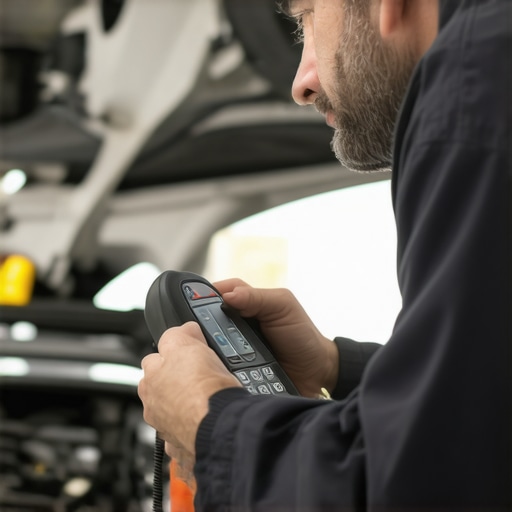

I’ll never forget the moment I opened my car door after what I thought was a routine body repair, only to be greeted by a glaring mismatch between the new paint and the old. It was like kissing a twin and realizing they’d been swapped overnight. That frustrating experience sparked a deep dive into why so many folks find themselves stuck with mismatched paint after accepting cheap repair jobs. If you’ve ever wondered why your car’s paint looks off after a quick fix, you’re not alone. Today, I’ll share insights from my personal journey and what I learned about ensuring your repair lasts and matches perfectly.
Understanding the Hidden Costs of Cheap Body Repairs
One of the biggest mistakes I made early on was trusting budget shops without doing my homework. I thought I was saving money, but what I got was a quick fix that didn’t stand the test of time or match seamlessly. This is a common trap—many car owners overlook how crucial quality materials, proper prep, and expert application are to a flawless finish. Cheap paints and rushed jobs might seem fine initially, but they often lead to mismatched colors, peeling, or fading in just a few months. According to automotive industry experts, subpar repair materials can cause discoloration and uneven texture, making the mismatch glaringly obvious over time.
If you’re considering a quick fix to save a few bucks, pause for a moment. This decision could cost you more in the long run, both financially and aesthetically. The key to a perfect match lies in understanding the process and investing in quality work—something I learned after my own disappointment. But here’s the good news: with the right knowledge, you can spot a shoddy repair before you drive off the lot and even fix existing issues. That’s what I’ll help you prepare for now. Are you tired of your car looking mismatched after a repair? Let’s dive into what makes a quality paint job and how to get it right the first time.
Is Spending More Really Worth It?
Early in my journey, I fell for the trap of thinking that cutting corners on repair costs would save me money. It took a few failed attempts and some costly corrections to realize that quality matter—especially for something as visual as paint. Trust me, if you want your car to look as good as new, investing in a reputable shop that uses high-quality products is essential. For more tips on ensuring your repairs last, check out this guide on durable fixes. Remember, a seemingly small mistake like choosing a budget shop can lead to bigger headaches later on, including mismatched paint that screams poor quality. So, before you decide who works on your car, make sure you’re making an informed choice—your vehicle’s appearance depends on it.
Prepare Thoroughly Before the Paint Job
Start by assessing the existing paint and body condition. Remove any dirt, grease, or debris with a clean, solvent-based cleaner to ensure optimal adhesion. Use a high-quality sandpaper—preferably 600 to 800 grit—to gently scuff the surface; this creates a key for the new paint without damaging the underlying layer. Remember, skipping this step can lead to poor adhesion and mismatched color later on. For instance, I once hastily sanded a panel with coarse grit, which caused uneven paint coverage and color discrepancies that took extra time to correct.
Use Precise Masking Techniques
Protect areas you don’t want painted with high-quality masking tapes and paper. Tape edges carefully to prevent overspray and drips, especially around trim, windows, and doors. Carefully press down tape to get a tight seal, which avoids paint bleeding and ensures sharp lines. I learned this by accidentally over-spraying a fender and having to redo the entire section, wasting time and material. Proper masking is essential for a professional appearance and preventing mismatched borders.
Choose the Right Materials for a Match
Select automotive-grade base coats and clear coats specific to your car’s color code. Mix the base paint according to manufacturer instructions, and consider adding a small amount of reducer for better flow and leveling. Be mindful of batch-to-batch color consistency—use the same supplier or label for all supplies related to the job. I once faced color mismatch issues because I mixed paints from different suppliers, which highlighted the importance of consistency in materials. For especially tricky colors, a professional shop can create custom-matched paint using advanced color-matching technology, ensuring your repair blends seamlessly.
Master the Spraying Technique
Maintain a consistent distance—about 6-8 inches—from the surface, and use smooth, overlapping passes to prevent uneven coverage. Keep your spray gun at a fixed angle, and avoid stopping mid-spray to prevent pooling or dry spots. Practice on scrap panels to get a feel for the spray pattern and flow rate. I once practiced on scrap metal to refine my technique before tackling my car’s door, which resulted in an even, mirror-like finish. Proper technique reduces orange peel texture and mismatched color sheen.
Allow Adequate Drying and Curing Time
Follow the manufacturer’s recommendations for drying times between coats and after the final coat. Patience here ensures the paint bonds well and minimizes issues like peeling or fading. Use a dedicated booth or a dust-free environment to prevent debris from settling on the wet paint. Rushing this step often leads to mismatched patches and an uneven surface—issues I learned the hard way when rushing a repair before a trip. Proper curing also enhances gloss and durability, making your repair last longer.
Evaluate and Correct Imperfections
Once cured, inspect the surface for imperfections like runs, sags, or color inconsistencies. Lightly sand any flaws with finishing paper (around 1500 grit), then re-apply a thin clear coat if needed. For color mismatches, blending the edges with additional light coats can help achieve seamlessness. I once had to blend a repaired panel first with a wet-sanding process, then with a touch-up spray, which salvaged my paint job and avoided a full repaint.
Seal the Finish and Final Inspection
Apply a high-quality wax or sealant to protect the new paint and enhance the shine. This layer also helps uniform the surface’s appearance, making mismatched areas less noticeable. Carefully inspect your work under different lighting conditions; good lighting reveals subtle mismatches that might be invisible otherwise. I found that a simple inspection at dawn outdoors helped me catch any subtle inconsistencies, which I then corrected before finishing the project.
Remember, achieving a perfect paint match is a combination of preparation, materials, technique, and patience. Each step builds upon the previous one, ensuring your repair lasts and looks outstanding. If you’re interested in how minor details can improve your paint job even further, check out this guide for finishing touches.
 Despite widespread beliefs about car repair and transmission issues, many enthusiasts overlook the intricacies that actually determine long-term reliability and performance. Common myths, such as “just changing the fluid every 30,000 miles guarantees longevity,” can be misleading. In reality, the quality of the fluid, proper sealing, and calibration are what truly make a difference, according to automotive engineering experts. For example, relying solely on synthetic transmission fluid isn’t enough if the system’s internal sensors and software aren’t calibrated correctly, which could cause shifting problems despite regular fluid changes.
Why Do So Many Repairs Fail to Last, Even After Professional Service?
Many assume that a straightforward repair or fluid top-off is sufficient. However, overlooked factors like faulty sensors, software glitches, or hidden frame damage can compromise the entire system. Such issues often go unnoticed until symptoms worsen, such as unpredictable shifting or warning lights—something that sophisticated diagnostic tools, like AI-powered scanners, can sometimes miss without expert interpretation. For instance, a damaged transmission pressure sensor may trigger a warning light, but unless the technician cross-checks with the vehicle’s history and performs a physical inspection, the root cause might remain hidden, leading to repeat repairs. Learning to identify these nuanced issues is essential for effective auto maintenance.
Keeping your vehicle in top shape demands more than just regular oil changes; it requires precise tools and methods to ensure long-lasting performance, especially in critical systems like transmissions and brakes. One essential piece of equipment I personally rely on is a high-quality scan tool like the Autel MaxiSys MS909. Its comprehensive diagnostic capabilities allow me to access detailed error codes and live data, which is invaluable for pinpointing issues before they escalate. Unlike generic scanners, the MS909 can read manufacturer-specific fault codes, helping me identify problems such as faulty sensors or software glitches that might cause transmission slipping or brake sensor failures. Advanced diagnostic tools are game-changers in this field, and investing in one elevates your maintenance routine significantly.
Another crucial tool I recommend is a digital multimeter with auto-ranging capabilities. It’s perfect for checking electrical connections, verifying sensor voltages, and ensuring that components like ABS sensors or transmission solenoids are functioning within specified ranges. I personally prefer models with a backlit display and data hold functions—features that save me time during troubleshooting in dimly lit engine bays.
When it comes to maintaining systems like the cooling or braking systems, pressure testers are indispensable. For example, a brake bleeding kit with clear hoses and built-in reservoirs helps me maintain optimal pressure without guesswork, reducing the risk of brake fade or uneven wear. Regular pressure checks prevent issues such as fluid leaks or pressure drops that could compromise safety. For more on brake maintenance, see essential shop tactics.
Keeping digital records is equally vital, so I use professional software like OBDLink Manage for logging vehicle data over time. This approach helps me spot trends indicating wear or impending failures, allowing proactive maintenance. As vehicle electronics become more sophisticated, integrating software tools into your routine becomes not just recommended but necessary.
Looking ahead, I predict that artificial intelligence and machine learning will revolutionize auto diagnostics, providing even more accurate insights in real time. Already, some shops utilize AI-driven scanners that cross-reference multiple data sources to detect subtle faults that traditional methods might miss. To stay ahead, I encourage fellow enthusiasts and mechanics to invest in these cutting-edge tools and stay updated with technological advances. A good starting point is trying out advanced diagnostic software modules, such as those discussed here.
How do I keep my transmission and brakes functioning flawlessly over time?
Consistent maintenance hinges on regular fluid checks, timely software updates, and using high-quality replacement parts when necessary. For example, replacing brake fluid with a trusted product and ensuring the system is free of air can prevent spongy pedals and uneven braking. Similarly, recalibrating your transmission’s adaptive shifts periodically ensures smooth operation and longevity. Don’t forget to verify sensor calibration after any collision or repair, as misaligned sensors can cause ghost warnings or system failures. These software fixes are especially beneficial for maintaining modern vehicle systems.
To optimize your maintenance, try implementing one of my favorite techniques: setting regular diagnostic checks using your scan tool to monitor fault codes and sensor readings. Doing so helps you catch small issues before they become costly repairs. This proactive approach, combined with using precise tools and following manufacturer recommended procedures, will substantially extend your vehicle’s service life and safety. Remember, in automotive care, attention to detail and consistent monitoring are your best allies.