

It was a hot summer afternoon when I first noticed that unmistakable warning light flickering on my dashboard. My stomach sank, and my heart started pounding—what did I miss? Turns out, the culprit was a tiny, often-overlooked component: the gas cap. At first, I dismissed it as a minor annoyance, but soon I discovered that a loose or faulty gas cap can trigger more than just a simple warning—it can lead to costly transmission issues.
Why a Gas Cap Can Sabotage Your Transmission’s Performance
Many drivers don’t realize that the gas cap isn’t just about sealing your fuel tank; it plays a vital role in your vehicle’s overall health. A compromised gas cap can cause fuel vapor leaks, leading to a drop in fuel system pressure. This can, in turn, throw off the vehicle’s onboard diagnostics, triggering warning lights—including the transmission warning light—that make you think there’s a major mechanical failure. I learned this lesson the hard way after my transmission warning light blinked insistently, causing unnecessary panic.
But here’s the kicker—many folks aren’t aware that fixing a loose gas cap is simple and inexpensive, yet it can prevent misdiagnosed issues and unnecessary repairs. According to the EPA, over 17 million vehicles wrongfully get diagnosed with transmission problems annually because of faulty emissions system components like the gas cap. This reveals just how critical that tiny piece of plastic is.
Is Everything Really Just a Gas Cap? Or Is It More Than That?
Early in my own experience, I made the mistake of rushing straight to the repair shop, assuming I needed a new transmission or more extensive repairs. It’s a common mistake—jumping to costly fixes when something as basic as a loose gas cap could be the real cause. To avoid falling into this trap, I always double-check my fuel cap and reset the warning light myself first. That way, I can confidently rule out simple issues before considering expensive interventions.
Now, if you’ve faced a similar dilemma—seeing a transmission light flickering or blinking without understanding why—you’re not alone. The good news is, many of these problems are fixable at home or by your trusted mechanic with a few simple tests and checks.
Ready to find out how a small fix can save you hundreds? We’re about to dive into the practical steps to diagnose and fix this sneaky problem, ensuring your vehicle stays healthy and your wallet stays happy.
Start with a Visual Inspection of Your Gas Cap
Pull into a well-lit area and locate your fuel tank. Remove the gas cap and examine it closely. Look for signs of wear, cracks, or damage. Just like inspecting a worn-out seal on a plumbing connection, a compromised gas cap can cause vapor leaks, leading to false transmission warnings.
Listen and Feel for Proper Fit
Place the cap back on and turn it clockwise until you hear a click, indicating it’s secured properly. If you don’t hear the click or the cap feels loose, it’s time to replace it. Think of it like tightening a faucet; if it’s loose, there’s a leak, and water (or vapors) escape, causing issues elsewhere.
Reset the Engine Light and Codes
After securing the gas cap, turn on your vehicle and see if the warning light persists after a few miles. For a more thorough check, use an OBD-II scanner to ensure no residual error codes remain. This step ensures that your vehicle’s onboard diagnostics recognize the fix. For more tips on troubleshooting transmission warning lights, visit this guide.
Check for Underlying Vapor Leak Problems
If the warning light remains on despite a secure gas cap, inspect the rubber gasket inside the cap and around the fuel tank opening. Cracks or deformation here can mimic a loose cap. Replacing a faulty gasket can be as crucial as replacing the cap itself—think of it like replacing worn-out door gaskets to prevent air leaks.
Reset the System and Monitor
Once you’ve replaced or tightened the cap and gasket, reset any warning lights using a scan tool if necessary. Drive your vehicle for about 50 miles to see if the warning returns. Keep an eye on transmission performance; if issues persist, consider deeper diagnostics. Sometimes, a simple fix like this can prevent costly transmission repairs. For instance, unresolved vapor leaks have been linked to transmission downshift problems.
Prevent Future Problems with Regular Checks
Make it a habit to check your gas cap during your routine fueling stops. Just like maintaining proper tire pressure or fluid levels, keeping your gas cap in good condition extends your vehicle’s health. Remember, small preventive steps can save you from big expenses later, and ensuring your fuel system is sealed properly is key to avoiding transmission misdiagnoses and ensuring smooth driving.
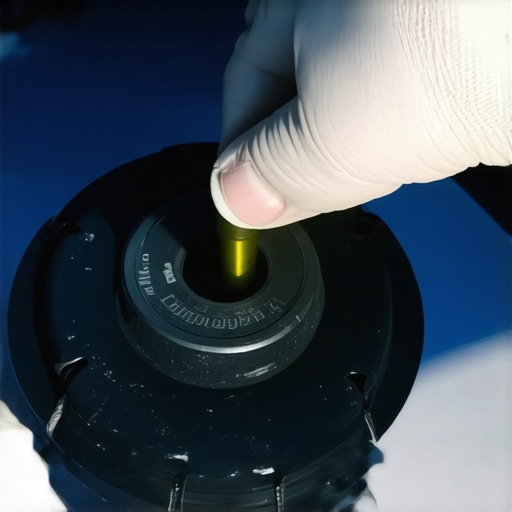 Many car owners operate under the assumption that auto repair is straightforward, often overlooking the nuances that distinguish a seasoned mechanic from an amateur. A prevalent myth is that all transmission issues are easily diagnosed and fixed, but the reality is far more complex. Transmission problems can stem from a multitude of subtle causes, ranging from fluid contamination to electronic sensor malfunctions, which require advanced diagnostics that go beyond basic visual checks.
Another misconception revolves around brake service. Many believe that replacing brake pads is a universal fix, but neglect the importance of inspecting the calipers, rotors, and brake fluid quality. Ignoring these components can lead to uneven brake wear and system failure. For instance, a spongy brake pedal might seem like a minor issue, but it often indicates deeper problems such as moisture contamination in brake fluid or air bubbles in the hydraulic system, necessitating precise bleeding and fluid replacement. Learn more about these issues and how to address them properly by visiting this detailed guide.
One of the most overlooked aspects in collision repair is the calibration of advanced sensors and camera systems. Modern vehicles rely heavily on electronic aids like lane departure warnings and adaptive cruise control, which can be misaligned after minor impacts. Many shop technicians tend to replace damaged sensors without recalibrating them, leading to persistent false alarms or system failures. This oversight can compromise safety features and lead to further damage. It’s crucial to understand that sensor calibration isn’t just a quick fix—it requires specialized equipment and expertise. For example, if your collision repair involved bumper replacements, don’t forget to verify if the sensors need recalibration; otherwise, you risk experience issues like ghost alerts or impaired assistance systems.
What most people get wrong about these advanced repair nuances is to assume that fixing the superficial damage restores full functionality. In reality, the hidden complexities often demand both diagnostic skill and technological know-how. Many vehicle systems are interconnected, and a failure in one area can mimic or mask problems in others. For example, a transmission that is slipping may be caused by a simple sensor fault, or vice versa. Recognizing these connections can save you from costly repairs and extended downtime. As expert technicians emphasize, investing in comprehensive diagnostics and system recalibration can dramatically improve your vehicle’s longevity and safety. Check out this resource for deeper insights into diagnostics and advanced repair techniques.
Never assume that a quick fix solves all underlying issues. Understanding the layered complexity of modern automotive systems is essential for avoiding costly mistakes. Regular maintenance, precise diagnostics, and technology-aware repairs are the pathways to a safe and reliable vehicle. Have you ever fallen into this trap? Let me know in the comments.Maintaining your vehicle’s performance over time requires the right tools, a consistent maintenance routine, and an understanding of how modern automotive systems operate. Personally, I rely on a set of specialized equipment that ensures precise diagnostics and efficient repairs, helping me stay ahead of potential problems before they escalate.
One indispensable tool I recommend is an advanced OBD-II scanner like the **Autel MaxiCOM MK808**. Unlike basic readers, this device provides comprehensive diagnostics, including live data streaming and deeper system reads, which are crucial when troubleshooting complex issues such as transmission irregularities or sensor faults. I’ve personally found that investing in a quality scanner significantly reduces diagnostic time and prevents unnecessary parts replacements.
For software, I use **FORS CANalyzer**, a powerful suite for analyzing CAN bus data. This software allows me to monitor communication between electronic components, identify glitches in sensor calibration, and verify system recalibrations after collision repairs. Staying familiar with these tools has empowered me to perform advanced diagnostics without always needing to visit the dealer, saving both time and money.
Routine maintenance is essential in ensuring long-term reliability. Regularly checking and replacing fluids like transmission fluid and brake fluid can prevent future failures. I recommend setting a schedule aligned with your vehicle’s manual—think of it as a health check-up for your car. When inspecting or replacing fluids, I use a **gear oil pump** for precise transfer and minimal mess. This tool ensures that you get the correct amount of fluid, which is vital for systems like CVTs and traditional transmissions.
In addition, implementing torque wrenches with digital readouts, such as the **Tekton Digital Torque Adapter**, guarantees that bolts and fasteners are tightened to manufacturer specifications. Proper torque application is critical in collision repair and assembly, especially when dealing with sensor mounts or transmission components, to prevent misalignments that could cause system failures like unintended gear hunting.
Looking ahead, I predict the trend toward integrated diagnostic platforms and remote maintenance diagnostics will grow. Vehicles are becoming increasingly connected, allowing for real-time monitoring and software updates directly from the manufacturer. Embracing these technological advances now will position you at the forefront of auto repair, ensuring your vehicle remains reliable and safe.
**How do I keep my vehicle working smoothly over the years?** The key lies in adopting a proactive maintenance approach combined with modern diagnostic tools. For instance, after any collision repair, don’t forget to recalibrate sensors using specialized equipment—see this guide for detailed steps on fixing 2026 bumper sensors without the dealer. Regularly updating software and conducting system checks can also help you spot issues early, averting costly repairs.
Start by integrating a quality diagnostic scanner into your toolkit. Next, schedule routine fluid and component inspections. These simple, consistent steps preserve your vehicle’s health and extend its lifespan. Remember, a well-maintained vehicle is safer, more efficient, and more enjoyable to drive. Ready to take your maintenance game to the next level? Try calibrating your transmission adaptive shifts at home using the reverse diagnostics method I detailed in this post. It’s a game-changer for long-term reliability.As I reflect on the countless repair surprises I’ve faced, one lesson stands out: never underestimate the power of a simple fix. A tiny, overlooked detail like a gas cap can ripple outward, causing issues that seem far more complex. Truly, the smallest components often hold the key to long-term vehicle health. It’s like tending to a delicate garden—addressing minor weeds early prevents invasive overgrowth later. This mindset changed my approach: attention to detail and patience transform unreliable repairs into lasting solutions.
Another insight is the value of tools that demystify modern vehicle systems. Investing in advanced diagnostic equipment, such as the Autel MaxiCOM MK808, arms you with clear insights, saving time and money. These tools act as a mechanic’s secret weapon, revealing hidden faults before they escalate. They empower you to take control—whether you’re a seasoned DIYer or an eager novice. Remember, understanding your vehicle’s ‘language’ opens doors to proactive maintenance and confidence in repairs.
Equally important is adopting a mindset of continuous learning. The automotive landscape evolves rapidly, with new systems and software updates changing the repair game. Staying current—through reputable resources and communities—ensures you’re equipped to handle what comes next. Think of it as upgrading your own skill set, turning frustrating surprises into manageable problems. Embrace the complexity, and you’ll find that what once seemed daunting becomes an exciting challenge.
Above all, trust your instincts and be diligent. The road to longevity involves small, consistent actions—regular checks, educated troubleshooting, and an open mind. Like fixing a bumper sensor after a minor tap or recalibrating a transmission shift at home, these steps forge a safer, more reliable journey. Remember, each small effort adds up to a big difference. Are you ready to start looking closer and fixing smarter? Every detail counts when you’re committed to keeping your vehicle at its best.
Comments are closed.