
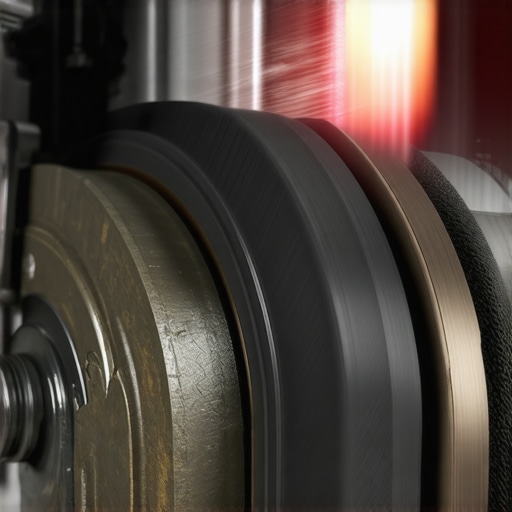
Imagine this: you’ve just finished a long drive, your brakes feel suddenly spongy, and then you hear that unsettling pulsation every time you press the pedal. It’s frustrating, isn’t it? I’ve been there myself—thinking I’d finally cracked the code to perfect braking, only to face warped rotors again and again. That lightbulb moment came after countless trips to the shop and a realization that something was consistently going wrong.
Facing the Frustration of Warped Rotors
Are you tired of replacing your brake rotors only to have them warp again shortly after? You’re not alone. Warped rotors are a common headache, and the reasons behind them can be surprisingly simple yet frequently overlooked. What if I told you that the real causes are often related to driving habits, brake service quality, or even manufacturing quirks? Today, I promise to share how you can identify the root issues and prevent warpings from becoming a recurring nightmare.
Is Overdoing It on Braking Actually Worth the Hype?
Early in my repair journey, I made the mistake of thinking that aggressive braking was just part of driving. Turns out, riding the brakes or stopping abruptly—especially during hot summer drives—can cause your brake rotors to warp over time. This is supported by automotive experts who suggest that excessive heat and pressure during braking accelerate rotor deformation. Having learned this lesson, I now advise fellow car owners to brake smoothly and anticipate stops to reduce stress on their rotors. If you want to dive deeper into brake maintenance tips, check out [this comprehensive guide](https://collisionrenew.com/braking-news-how-to-choose-the-best-brake-service-in-2025) for long-term brake health.
I also learned early on that poor-quality brake parts or uneven pad deposits can contribute to warped rotors. Investing in quality brake pads and ensuring proper installation is essential. It’s a bit like deepening your knowledge about transmission repair or other essential services—knowing what to look for genuinely extends your vehicle’s lifespan and keeps you safe.
But armor yourself—are you worried that all this sounds complicated? Believe me, I’ve been skeptical too, but understanding the core causes is half the battle won. Over the following sections, I’ll walk you through practical steps to identify causes and avoid common mistakes that lead to warped rotors. If you’ve experienced the frustration of warped rotors, keep reading—you’re about to learn strategies that can save you money and headaches.
Inspect and Upgrade Brake Components Regularly
Start by thoroughly examining your brake pads and rotors every 10,000 miles. Use a flashlight to check for uneven pad wear or grooves on the rotor surface. If you notice uneven wear or scoring, replace the pads and consider having the rotors resurfaced or replaced to maintain even contact and heat distribution. During my last brake service, I paid special attention to rotor surface, which prevented future warping and extended my brake system’s lifespan. For quality repairs, contact Collision Renewal.
Drive Smoothly and Anticipate Stops
Adopt a driving style that minimizes excessive heat buildup. Instead of harsh braking, ease off the accelerator early when approaching a stoplight. Use engine braking by easing into the clutch or shift to a lower gear to slow down gradually. I recall sitting in traffic, consciously avoiding aggressive braking; a simple change that kept my rotors cooler. This practice significantly reduces the thermal stress that causes warping. Keep this habit in mind, especially during highway drives or heavy city traffic.
Use Quality Parts and Proper Installation
Invest in high-quality brake pads and rotors from reputable brands, which are less prone to warping under heat stress. When replacing parts, ensure professional installation aligns with the manufacturer’s torque specifications. I once attempted a DIY rotor replacement, but improper torque caused uneven contact, leading to warped rotors after just a few weeks. After professional installation, my brake system became much more reliable. For tips on selecting the best brake service, visit this guide.
Allow Brakes to Cool Down Naturally
After long, aggressive braking, give your brakes time to cool before driving again. Avoid parking immediately after heavy braking, as residual heat can worsen warping over time. During road trips, I make a habit of driving at moderate speeds through mountainous terrain, allowing brakes to cool periodically. Overheating brakes is like a kettle boiling over—if you keep adding heat without letting it vent, damage is inevitable. Use gentle driving and avoid riding the brakes downhill to reduce stress. Proper cooling practices help prolong rotor integrity.
Monitor and Attend to Early Warning Signs
Listen for vibrations or pulsations in the brake pedal—they’re early signs of rotor warping. If your steering wheel shudders when braking, schedule an inspection promptly. In one instance, I felt a slight pulsing and ignored it; eventually, the rotors warped completely, forcing costly repairs. Regular checks save money and frustration. For more on maintaining your vehicle’s braking system, check these essential service tips.
Many car owners operate under misconceptions that can compromise their vehicle’s longevity and safety. One common myth is that all brake pads wear evenly and don’t require regular inspection. In reality, neglecting routine checks can lead to uneven wear, causing more significant issues like warped rotors or compromised braking efficiency. Regularly inspecting your brake system, as advised in essential maintenance tips, helps catch problems early and saves you money in the long run.
Is Using Cheap Parts Ever a Good Idea for Longevity?
Contrary to the belief that budget parts are just as good, experts emphasize that inexpensive brake components and transmission parts often lack the durability of quality OEM or aftermarket products. Cheap parts tend to be made from inferior materials that wear out faster or fail prematurely, leading to costly repairs. Choosing reputable brands and professional installation, as highlighted in transmission repair advice, ensures your vehicle’s reliability and safety.
Another misconception involves the necessity of complete system replacements for minor issues. Many believe a full transmission overhaul is mandatory at the first sign of trouble, but targeted repairs—like replacing a faulty sensor or fluid flush—can often restore functionality without major expenses. According to automotive specialists, understanding these nuances can extend component life and optimize repairs, which you can learn more about in comprehensive repair guides.
Beware of ‘quick-fix’ solutions that promise instant results without understanding the root problem. For example, adding stop-leak products or sealants might temporarily mask leaks or issues but can cause clogging or unintended damage if misused. A cautious approach, with thorough diagnostics, prevents these pitfalls. Regular professional check-ups and diagnostics facilitate early detection of potential failures, aligning with advice found in transmission care tips.
Understand that auto repair is more than just replacing parts—it’s about comprehending the intricate interplay of systems and recognizing when shortcuts can backfire. For a deeper dive into maintaining your car efficiently and avoiding costly mistakes, browse an authoritative repair resource.
Have you ever fallen into this trap? Let me know in the comments. Staying informed about these hidden nuances empowers you to make smarter decisions and keeps your vehicle running smoothly much longer.
Keeping Your Auto Repair Game Strong
When it comes to maintaining your vehicle’s health over time, having the right tools and methods can make all the difference. I personally rely on a curated set of equipment that ensures precise diagnostics and effective repairs, saving me both time and money. For instance, a high-quality digital multimeter is indispensable for tracing electrical issues, like diagnosing a failing alternator or bad ground wires that can mimic transmission problems. I recommend the Fluke 115—it balances accuracy with durability and is trusted by professionals for its reliability. Moreover, a Bluetooth-enabled scan tool like the BlueDriver OBD2 scanner allows me to monitor real-time data and clear fault codes effortlessly, which is crucial for long-term transmission and engine health.
Besides hardware, software tools have transformed auto repair. Using advanced diagnostic programs such as AutoEnginuity or Mitchell Connect provides comprehensive access to manufacturer-specific systems. These insights enable me to identify issues like a failing fuel pressure regulator or subtle engine hesitations caused by minor sensor faults, without resorting to unnecessary replacements. Integrating these diagnostics into a routine test plan—checking fluid conditions, sensor outputs, and component voltages—helps catch problems early, extending the lifespan of critical systems like your transmission or brakes.
How do I maintain my tools and methods over time?
Maintenance of your equipment is essential. Regular calibration of multimeters ensures measurement accuracy, avoiding false diagnostics that lead to unnecessary repairs. Keeping scan tools updated with the latest firmware ensures compatibility with new vehicle models and software updates. Another tip is to clean and lubricate moving parts like battery terminals or sensor connectors, preventing corrosion that can cause intermittent faults. Investing in a quality tool storage system, such as foam-lined cases or labeled drawers, maintains organization and prolongs the lifespan of sensitive instruments. In the future, I predict that diagnostic tools will become even more integrated with vehicle systems, possibly through augmented reality interfaces, simplifying complex repairs for DIY enthusiasts and professionals alike.
If you’re serious about long-term auto care, try upgrading your diagnostic tools with a Bluetooth OBD2 scanner and ensure they are regularly calibrated. This small investment can dramatically improve your ability to diagnose and fix issues early, avoiding costly repairs down the line. For comprehensive guidance on vehicle maintenance strategies, visit this resource. Remember, proactive diagnostics and careful tool maintenance are key to keeping your vehicle running smoothly for years to come. Want to take your repair skills further? Explore these essential maintenance checks to stay ahead of potential problems.
What I Wish I Knew When I First Started Fixing Cars
One of the most impactful lessons I learned from my experience with warped rotors is that proactive maintenance beats reactive repairs. Waiting for symptoms to appear often leads to more extensive damage and higher costs. Regular inspections, especially every 10,000 miles, can catch uneven wear early, saving you money and avoiding brake issues down the line. Trust me, this small habit makes a big difference in your vehicle’s longevity.
Another realization struck me about driving habits. I used to think that aggressive braking was just part of city driving, but now I understand that smooth, anticipation-based braking reduces heat buildup and prevents rotors from warping. Adopting a calm and conscious driving style isn’t just safer—it’s kinder to your car’s systems.
Finally, I discovered that quality parts and professional installation are invaluable investments. Cutting corners on brake components may seem budget-friendly initially but often leads to premature wear and costly repairs. Partnering with reputable service providers and choosing high-grade parts prolongs the life of your braking system and enhances safety. This lesson reshaped how I approach auto repairs altogether.
Tools and Resources That Keep My Repairs on Track
My go-to diagnostic tools include a reliable digital multimeter, like the Fluke 115, which ensures precise electrical readings. A Bluetooth-enabled scan tool like BlueDriver has transformed my ability to monitor real-time data and catch potential issues early, especially when diagnosing transmission or brake system problems. Investing in these quality tools pays off by reducing guesswork and saving time.
For deeper insights, I frequently consult comprehensive repair guides such as The Ultimate Guide to Auto Repair. They provide invaluable tips on maintaining your vehicle’s core systems and avoiding common pitfalls. Additionally, staying updated with informative articles like latest brake service trends helps me adapt my approach as new technologies emerge.
Remember, ongoing education and quality tools empower you to take control of your vehicle’s health. Regular calibration, proper cleaning, and organized storage of your diagnostics gear extend their lifespan and improve diagnostic accuracy—making your repairs more effective and less costly in the long run.
The Drive Toward Confident Auto Care Starts Now
Embracing the lessons learned from my own brake repair journey, I encourage you to take small, consistent steps toward better vehicle maintenance. Whether it’s adopting smoother driving habits, investing in quality parts, or enhancing your diagnostic toolkit, each action compounds into a safer, more reliable car. Remember, you have the power to extend your vehicle’s life and prevent costly repairs with mindful care and attention to detail. Your auto repair journey is unique—trust yourself and stay curious.