
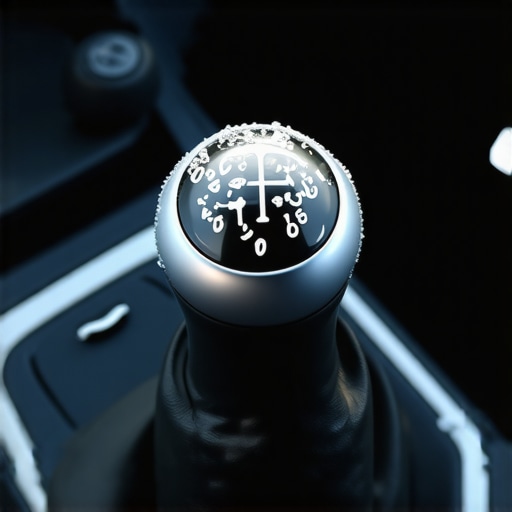
Ever slipped into your car early on a chilly morning, only to find your gear shifter feels like it’s welded in place? That stiff, uncooperative feeling can turn a simple drive into a frustrating puzzle, and honestly, I’ve been there. That moment of panic—thinking I’d have to spend hours under the hood—sparked my search for answers. What I discovered not only saved me time and money but also made me appreciate the little things that often go unnoticed in car maintenance.
Unlocking the Cold-Weather Gear Shifter Mystery
<--The first time I experienced this sensation, I thought perhaps my transmission was on its last legs. The shifter refused to budge, and the gear indicator seemed frozen in place. It was a wake-up call that not all problems are as dire as they seem. As I dug deeper, I learned that many drivers face this exact issue when temperatures drop. The culprit often isn’t a major transmission failure but the result of simple, preventable causes. One common reason is the thickening of transmission fluid or gear oil in cold weather. When the fluid becomes more viscous, it hampers the movement of internal components, causing that sticky, tight feeling. This isn’t just inconvenience—over time, consistent exposure to thickened fluid can accelerate wear on transmission parts. Moreover, I found that some cars have a mechanical linkage or cable system that can seize up in the cold if not properly lubricated. And, as I learned from trusted sources like CollisionRenew, neglecting regular fluid changes or using the wrong type of lubricant can make these issues worse.
Fortunately, resolving this problem isn’t as complicated as it might appear. In the next sections, I’ll walk you through practical steps to get your gear shifter feeling smooth again, no matter how cold it gets outside. Remember, if this is a recurring problem, it might be time to review your transmission fluid health or consider other underlying issues. Have you faced this sticky shift problem during winter? Let’s explore how to fix it and keep your drives hassle-free.
Inspect the Transmission Fluid First
Begin by checking your transmission fluid level and condition. Park your car on a level surface, turn off the engine, and locate the transmission dipstick—usually labeled. Pull it out, wipe it clean, dip it back in, and then remove it to evaluate the fluid level and color. If the fluid is low or dark, it’s time for a fluid change, which can dramatically improve shifting in cold weather. I recall once, during winter, I topped off my fluid with the recommended type and instantly felt a smoother gear shift, preventing potential transmission stress.
Use the Correct Transmission Fluid
Not all oils are created equal. Using the right lubricant tailored to your vehicle’s specifications ensures proper flow during cold starts. Consult your owner’s manual or your mechanic to verify the correct type—using synthetic fluids can resist thickening better in low temperatures. This simple upgrade has saved many drivers from cold-weather shifting woes, including myself during a particularly frosty month when I switched to synthetic oil and noticed immediate improvement.
Lubricate and Free Mechanical Linkages
Mechanical linkages, like cables connecting your gear shifter to the transmission, can seize up if not properly lubricated. Locate the linkage, usually accessible under the center console or near the transmission. Use a penetrating lubricant—such as WD-40 or a specialized gear linkage lubricant—and work it into the joint. Then, move the shifter through all gears to distribute the lubricant. I once sprayed lubricant on mine and manually shifted the gears while watching the linkage loosen up, which dramatically reduced stiffness. Regular lubrication, especially before winter, keeps these parts flexible and responsive.
Check the Gear Shifter Assembly
If the shifter feels stubborn, inspect the assembly for corrosion or damage. Remove the shifter panel carefully, then examine the components for rust or debris. Clean any residue with a soft brush and apply a suitable lubricant. Reassemble and test the shifter. Remember, a dirty or corroded assembly can mimic transmission problems, leading to unnecessary repairs. During my last DIY project, cleaning and lubricating the shifter improved operation noticeably, even when the engine was cold.
Consider Using a Transmission Cooler
In extremely cold climates, installing a transmission cooler with a thermostat can regulate fluid temperature, preventing it from thickening. This is especially beneficial if your vehicle operates in harsh winter conditions regularly. Think of it like a pain relief pad—keeping things at an optimal temperature prevents discomfort and damage. I haven’t personally installed one, but many drivers I know have found this to be a game-changer for maintaining smooth shifts year-round.
Perform Regular Maintenance and Fluid Changes
Prevention is better than cure. Regularly scheduled transmission fluid changes—typically every 30,000 to 60,000 miles—can avoid thickening issues altogether. Neglecting this can lead to older, contaminated fluid turning into sludge that hampers gear movement. I’ve seen firsthand how a simple fluid flush restored a sluggish transmission. Refer to this resource to understand why avoiding lifetime fluids without service might be detrimental, especially in colder climates.
Many car owners believe that performing basic repairs or maintenance is straightforward, but the reality is often more nuanced. A prevalent misconception is that replacing brake pads or transmission fluid is a simple, one-size-fits-all fix. However, as I’ve learned from experience and expert insights, understanding the underlying complexities can save you time and costly repairs. For instance, assuming that all brake pads wear evenly neglects factors like driving habits and environmental conditions, which influence brake life. Similarly, relying solely on the idea that transmission fluid lasts forever can be a risky gamble, especially since some mechanics promote the false notion of “lifetime” fluids. According to CollisionRenew, many transmission failures stem from neglecting regular fluid exchanges, which can lead to sludge buildup and component wear, especially in colder climates where fluid thickening is more pronounced (source). This is a crucial nuance that most car owners overlook, often interpreting these failures as inevitable or manufacturing defects.
Another misconception involves the way we approach car diagnostics. Many believe that the presence of warning lights indicates immediate, severe failure, but in practice, these signals can be subtle hints about developing issues. For example, a spongy brake pedal might be dismissed as air in the lines, yet it could be a sign of a failing master cylinder or contaminated brake fluid, which requires a detailed inspection. Ignoring these signs can lead to dangerous situations. Additionally, some drivers fall into the trap of delaying repair because they think cheap or DIY fixes are always sufficient, but this often leads to recurring problems. Professional diagnostics, like those offered by CollisionRenew, help uncover the true cause of performance issues, preventing unnecessary part replacements.
Ever wonder why your transmission ‘hunts’ for gears even after fluid changes? It’s a common advanced mistake to assume that a simple fluid flush will fix software or sensor-related issues. The truth is, modern automatics rely heavily on electronic controls; mechanical fixes alone won’t solve problems caused by software glitches or sensor misalignments. Technologies in vehicles today, including adaptive transmission controls, need precise calibration and software updates for optimal performance. Experts recommend periodic recalibration and software updates, which are often overlooked by laypersons. For a deeper understanding, check out how CollisionRenew addresses such advanced issues without unnecessary parts replacing (source).
To avoid falling into these traps, it’s essential to adopt a holistic approach to vehicle maintenance—one that considers both mechanical and electronic factors. Regular diagnostics and understanding the underlying causes of issues can prevent costly repairs and extend your vehicle’s lifespan. Remember, what seems like a minor problem often points to a deeper issue waiting to escalate if neglected.
Have you ever fallen into this trap? Let me know in the comments and share your experiences with car maintenance misconceptions.
Keeping It Working: Essential Tools and Maintenance Tips
Maintaining your vehicle’s systems over time requires more than just routine visits to the mechanic. Investing in the right tools and adopting disciplined maintenance methods can significantly extend your car’s lifespan and performance. One crucial aspect is having a reliable diagnostic scanner, such as the
Another tool that I find indispensable is a quality digital multimeter. It helps me verify electrical components such as batteries, sensors, and actuators. For instance, measuring voltage in the battery with my multimeter ensures it’s operating within optimal ranges, avoiding sudden breakdowns. I recommend a multimeter with auto-ranging features to simplify testing and improve accuracy.
Regularly inspecting and cleaning mechanical linkages is also essential. I maintain my gear shifter linkage with high-quality penetrating oil like WD-40, which prevents seizing during cold seasons. Regular lubrication reduces stiffness and prolongs the lifespan of mechanical parts, much like how CollisionRenew emphasizes the importance of lubrication in maintaining smooth gear shifts in low temperatures.
To stay ahead of potential failures, I perform scheduled fluid changes, especially transmission fluid. The trend toward synthetic, high-viscosity oils offers better cold-weather performance, reducing the risk of thickening that hampers gear engagement. Remember, as outlined in this article, avoiding lifetime fluids can prevent costly repairs caused by sludge buildup.
Looking ahead, vehicle diagnostics and maintenance are increasingly integrating AI and smart sensors. Advanced tools today connect to cloud services, providing real-time health monitoring and predictive alerts, which I believe will become standard in the near future. Implementing these technologies can make long-term car care more proactive and less reactive. For now, I advise all owners to use reliable diagnostic scanners and adhere to regular maintenance schedules.
If you’re wondering how to keep your car’s transmission in top shape during cold months, try checking and updating your gear linkage and fluid levels regularly. These straightforward steps can save you from bigger headaches down the road. What’s your go-to maintenance tool? Share your strategy and experiences in the comments!
Lessons That Change Putting Your Car First
- Convincing myself that cold weather always meant transmission doom was a big mistake; instead, I learned the importance of regular fluid checks and lubrication tips.
- Misjudging the mechanical linkages, thinking they would magically stay responsive, taught me that proactive lubrication can prevent stubborn shifts in the cold.
- Believing that a fluid change is a one-time fix, I discovered that ongoing maintenance, especially with synthetic oils, helps keep gear shifts effortless during winter.
- Ignoring early warning signs of transmission stress only made small issues snowball into costly repairs, emphasizing that early diagnostics matter more than I thought.
- Finally, understanding that electronic controls and mechanical parts work in tandem pushed me to keep software recalibrations and physical inspections current for reliable performance.
My Toolbox of Must-Have Tools for Cold-Weather Car Care
- OBD2 Scanner: This device has been a lifesaver for quick diagnosis, revealing hidden sensor faults that cause gear hunting or shifting issues, as discussed in this resource.
- Digital Multimeter: Ensuring electrical systems are functioning smoothly helps avoid surprises at the worst times. I trust it for verifying battery health and sensor outputs.
- Reliable Lubricants: Synthetic transmission fluids designed for cold temperatures make a real difference, and I’ve been convinced after switching and witnessing smoother shifts.
- Lubrication Sprays: Penetrating oils like WD-40 prevent linkage seizing, which is crucial before winter sets in, saving me from stiff gear shifts.
Seize the Moment and Keep Your Car in Top Shape
Being proactive with transmission and gear switch maintenance isn’t just about avoiding inconvenience—it’s about respecting your vehicle’s inner workings and ensuring safe, comfortable drives during the chilliest days. Armed with the right tools and knowledge, you can stay ahead of winter’s challenges and enjoy a smooth ride all season long. Remember, regular check-ups and a bit of preventive care today can save you from costly repairs tomorrow. What’s the one maintenance habit you swear by in cold weather? Share your routine below, and let’s learn from each other’s experiences!