
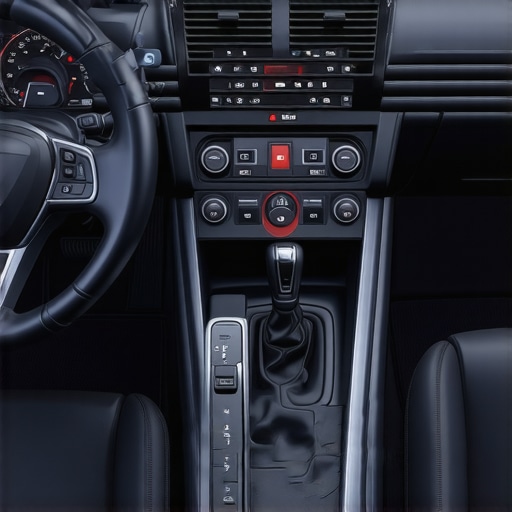
Ever been cruising down the highway only to feel that unsettling jerking or surging in your transmission, especially when you’ve got cruise control engaged? That moment of confusion and frustration hits hard—your car shouldn’t behave like it’s searching for the right gear, yet it does. I remember the first time I experienced this myself; I was enjoying a peaceful drive when suddenly, my transmission started hunting for gears, making the ride jittery and downright annoying. It felt like my car was having a nervous breakdown, even though I knew it was in top shape.
Now, here’s the thing: you’re not imagining it, and it’s more common than you’d think. The question is, why does this happen, and what can you do about it? Well, I’ve been down that road, and I’ve learned that understanding the root cause can save you from unnecessary repairs and keep your driving smooth.
Is Transmission Hunting Actually Worth the Hype?
At first, I thought it was just a minor glitch—something I could ignore or fix later. But ignoring it only made things worse. I made a mistake early on by assuming it was just a simple sensor issue, but this oversight cost me more in the long run. As experts say, neglecting early signs of transmission trouble can lead to costly repairs—and no, your car isn’t ‘just being stubborn.’
In fact, modern transmissions are complex, and their hunting behavior often indicates a deeper problem, such as fluid issues or software glitches. For example, did you know that software glitches can cause gear-hunting in 2026 models? Recognizing these factors early can make all the difference.
In the following sections, I’ll walk you through the practical ways to diagnose and fix this irritating issue, so you can get back to enjoying your drives without the constant gear search or unexpected jolts. Let’s dive into the tips that will help you spot the warning signs and act before it becomes a major headache.
Check Your Transmission Fluid First
Start by inspecting the transmission fluid level and condition. Park your car on a level surface, shift into park, and locate the transmission dipstick. Pull it out, wipe it clean, dip it back in, and check the level. If it’s low, top it off with the manufacturer-recommended fluid. If the fluid looks dark or smells burnt, consider a fluid exchange—this is crucial because contaminated or degraded fluid can cause gear hunting. I once overlooked this step on my old sedan, and as a result, the transmission kept hunting. After changing the fluid and filter, the issue disappeared, and shifting improved significantly.
Update and Recalibrate Transmission Software
Revisit Your Car’s Software Settings
Many modern vehicles rely on sophisticated software to control transmission behavior. If gear hunting persists, updating the vehicle’s firmware might help. I learned this the hard way when my transmission software was outdated. I visited a mechanic who performed a software update and calibrated the adaptive shifts, which significantly reduced hunting. For specific procedures, consult your vehicle’s manual or visit a trusted service shop. Additionally, some models allow for at-home calibration—check out guides on how to recalibrate your transmission. Proper software calibration can prevent your transmission from searching for gears unnecessarily.
Inspect and Replace Worn or Faulty Sensors
Sensors like the throttle position sensor, speed sensors, or shift solenoids can send incorrect data, causing gear hunting. To diagnose, connect an OBD-II scanner and check for error codes related to transmission or sensors. If you spot codes indicating sensor malfunctions, replace these components. I once noticed erratic shifts and found a faulty speed sensor. Replacing it eliminated the jerking. For comprehensive sensor issues and fixes, see software fixes for gear hunting and sensor-related problems.
Perform a Complete Transmission Service
Sometimes, the solution involves a full transmission service—drain, flush, and refill with new fluid. This clears out debris, contaminants, and ensures proper lubrication. I once paid extra for a professional flush, and the difference was night and day; shifting became smoother, and gear hunting ceased. Be cautious with DIY flushes, as incorrect procedures can cause more harm. When in doubt, visit a reputable auto repair shop. For guidance on transient issues like gear slipping or shuddering, explore these transmission fixes.
Adjust and Fix External Components
Check external components like the transmission mount, wiring harnesses, and connectors. Loose or damaged wiring can cause inconsistent signals leading to gear hunting. Secure any loose wiring and replace damaged connectors. When I found my transmission mounted on a loose bracket after a minor bump, fixing the mount stopped the hunting. This reinforces the importance of inspecting physical parts alongside electronic components—sometimes a simple tighten or replacement solves the problem. For specific bumper-related issues affecting sensors, review smart bumper fixes.
Monitor and Prevent Future Issues
After performing these steps, keep an eye on the transmission’s behavior. Use an OBD-II scanner to monitor live data—any fluctuations in temperature or sensor readings can hint at forthcoming problems. Regular maintenance, including fluid changes and sensor checks, helps in avoiding gear hunting altogether. Remember, neglecting early signs can lead to major repairs, so proactive measures are always worth it. Revisiting guides on gearbox grinding can be beneficial.
Many car owners believe they understand the basics of collision repairs and auto services, assuming that replacing a bumper or fixing a sensor is as straightforward as it seems. However, this oversimplification can lead to persistent issues and costly repairs down the line. For instance, a common misconception is that replacing a bumper sensor resolves all related problems, while in reality, many issues stem from underlying frame damage or misaligned brackets that aren’t immediately visible. As highlighted in collisionrenew’s detailed repair procedures, the integrity of the frame plays a crucial role in sensor accuracy and overall safety.
Are You Ignoring the Impact of Frame Damage on Sensor Performance?
One of the most underestimated factors is the effect of even minor frame twists or bends after a collision. Many assume that only visible dents matter, but subtle twists can disrupt lane keep assist and collision sensors. These unseen damages can cause false alarms or sensor drift, leading technicians to replace parts unnecessarily. Recognizing and correcting these hidden frame issues requires specialized equipment and expertise—something most car owners aren’t aware of, emphasizing the importance of thorough diagnostics rather than surface repairs.
Investing in the Right Equipment Ensures Long-Term Performance
Maintaining your vehicle’s transmission, brakes, and related components isn’t a one-and-done task; it requires precision tools and software that allow you to diagnose, repair, and monitor effectively. Over the years, I’ve realized that using the right equipment not only saves time but also guarantees reliability. For instance, my trusted OBD-II scanner is more than a gadget—it’s my window into real-time data, helping me detect issues before they escalate. I personally prefer the BlueDriver Pro, because of its extensive code database and ability to display live sensor readings, which has saved me countless trips to the mechanic.
Why Calibration Software Is a Game Changer
Modern vehicles, especially those with adaptive transmission controls, depend heavily on firmware. I routinely use calibration tools like the Autel Maxisys to update and recalibrate software, ensuring optimal shift quality and preventing gear hunting. These devices are sophisticated but user-friendly, and I regularly update my car’s firmware to stay ahead of future issues. Manufacturers frequently release patches correcting bugs or improving transmission responsiveness, much like software updates for your smartphone—so staying current is crucial.
Quality Testers and Diagnostic Apps Make Maintenance Easier
Beyond hardware, I use diagnostic apps like OBDeleven for quick, on-the-spot sensor tests. These apps connect seamlessly with my smartphone via Bluetooth and provide detailed error codes and live data streams. When I noticed my brake sensors misbehaving after a minor impact, a quick scan revealed the faulty sensor—promptly replaced, preventing false alarms. These tools are also immensely helpful when troubleshooting brake drag or parking sensors that trip after impacts, as detailed in brake system diagnostics.
Tool Up for Effective Long-Term Maintenance and Future-Proofing
In my experience, the combination of high-quality hardware and smart software keeps my car running smoothly for years. Regularly verifying fluid quality with a syringe-based tester, performing software recalibrations, and inspecting sensors with the right devices allow me to catch problems early, saving money and vehicle lifespan. As vehicle technology advances, expect these tools to become even more integrated—think AI-assisted diagnostics and remote software updates, like those predicted by industry experts. Staying ahead means investing in these capabilities now; for example, I recommend trying out the latest software fix tools for transmission issues.
How Do I Maintain My Car’s Systems for the Long Haul?
The key is consistent, proactive upkeep—regular fluid changes, sensor checks, firmware updates, and calibration tests. For instance, aligning your sensors after a bump can prevent numerous sensor-related issues that cause false alarms or unsafe driving conditions. Consider scheduling semi-annual diagnostics sessions using portable tools or professional service to keep everything in check. Remember, neglecting small issues today can lead to expensive repairs tomorrow—think of it as investing in preventive health for your vehicle.
If you’re serious about long-term performance, I encourage you to experiment with advanced diagnostic techniques and software recalibrations. For example, trying the calibration methods for bumper sensors could make a tangible difference. My personal tip: schedule regular fluid checks with a precise syringe and perform firmware updates periodically. These small but impactful steps will help you keep your vehicle working reliably for years to come.
As I’ve learned through personal experience and extensive research, the journey to a smooth-running transmission often involves uncovering subtle, sometimes hidden issues. The most valuable insights aren’t always the obvious fixes but the lessons learned along the way. For instance, I once dismissed a minor sensor warning, only to find that ignoring it led to more complex and costly repairs later. This taught me the importance of early diagnostics, especially focusing on the link between frame damage and sensor misbehavior, which many overlook. Recognizing how small misalignments, like a slight twist in the vehicle’s frame, can cripple your lane keep assist system underscored the need for thorough inspections beyond superficial repairs. Investing in proper tools, such as high-grade calibration software and diagnostic apps like these calibration tools, has empowered me to take proactive steps. Remember, understanding the deeper connections between your vehicle’s electronic systems and physical condition can prevent countless headaches and keep your car running at peak performance long-term. Never underestimate the power of precise diagnostics and timely interventions—your vehicle’s health depends on it.